
Corneal Crosslinking in Tijuana
A procedure that strengthens the cornea and halts keratoconus progression.
What sets us apart: Dr. Ned Davila Avila is an ophthalmologist specialized in cornea, and she personally evaluates your case from your very first visit, with no intermediaries. This matters: a cornea specialist has the sharper judgment needed to interpret your topography, decide whether crosslinking is the right treatment for you, and carry out every step of the surgery with precision. She's also the same doctor who follows up on your recovery: real continuity of care.
General description
Corneal crosslinking is, to date, the only treatment proven to stop the progression of keratoconus. It uses riboflavin (vitamin B2) and controlled ultraviolet light to increase the rigidity of the cornea's collagen fibers, halting the progression of keratoconus and other corneal ectasias. Detected early, this procedure can help avoid the future need for a corneal transplant.
What does the surgery involve?
Riboflavin drops are applied to the cornea and then exposed to controlled ultraviolet light for several minutes, which increases the rigidity of the corneal collagen fibers. It's an outpatient procedure of about 30–60 minutes per eye, using only anesthetic drops.
Post-surgical care
A temporary bandage contact lens is placed to protect the cornea while the epithelium heals, and it's normal to feel discomfort, tearing, and light sensitivity in the first few days. Antibiotic and anti-inflammatory drops plus frequent lubricant are prescribed. We include, at no cost, the post-surgical kit with your starter treatment drops.
Post-surgical follow-up
Follow-up is essential to confirm that the keratoconus has stabilized, which is why it is always carried out by the same Dr. Ned Davila Avila, our cornea specialist who performed your crosslinking. We include one month of follow-up consultations at no cost.
Are you a candidate for crosslinking?
Crosslinking is mainly indicated when keratoconus is progressing. It's time to get evaluated if:
You've already been diagnosed with keratoconus and your tests show it's still progressing.
Your prescription has worsened in your most recent exams, especially if you're a teenager or young adult.
You want to stop keratoconus early: this helps prevent complications like corneal scarring or the need for a corneal transplant.
You've already been diagnosed with keratoconus elsewhere and want a second opinion from a cornea specialist.
How do we determine that your keratoconus is progressing?
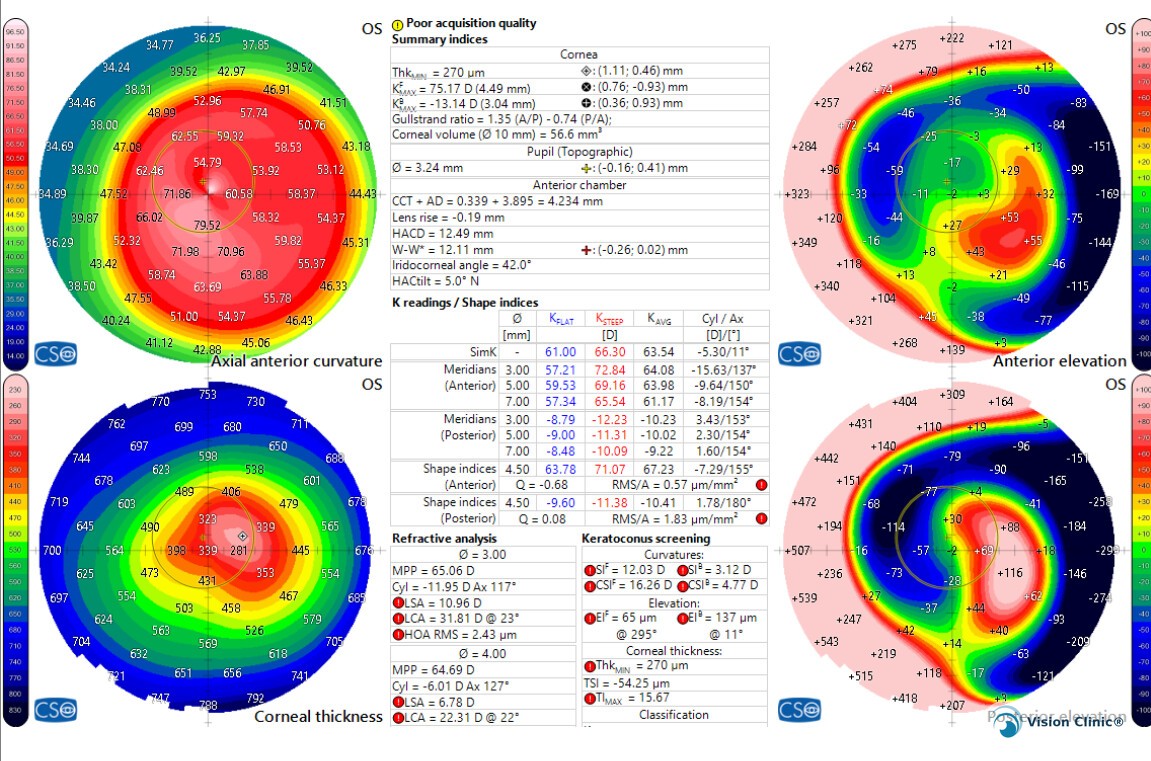
A single topography isn't enough: progression is confirmed by comparing at least two studies of your cornea, done at different times with the same equipment (Sirius Plus). We look for changes such as:
- An increase in the cornea's maximum curvature (the steepest point of the cone).
- A decrease in corneal thickness at its thinnest point.
- A change in your astigmatism or prescription on recent exams.
That's why follow-up with periodic tomography is so important, even before deciding whether crosslinking is needed: it lets us see the trend over time, not just a snapshot of a single moment.
Corneal topography: an essential study for keratoconus patients
Diagnosing keratoconus and its follow-up depend on the data from corneal topography. To find out whether you're a candidate for crosslinking, we first need to perform a corneal topography — this lets us see the curvature, thickness, and true shape of your cornea to confirm that the keratoconus is progressing, and to decide whether crosslinking is the right option for you. We perform it right here, with the Sirius Plus system, the same day as your consultation.
Frequently Asked Questions
Does crosslinking improve vision?
The main goal of crosslinking is to stop keratoconus progression, not to directly improve vision. Some patients notice a slight improvement or stabilization of their prescription, but the real benefit is preventing the cornea from deforming further. If you're looking for a more noticeable vision improvement, that's achieved afterward with scleral lenses, rings, or a toric ICL, depending on your case.
Does crosslinking hurt?
It's performed using only anesthetic drops, so it doesn't hurt during the procedure. It's normal to feel discomfort, a foreign-body sensation, and light sensitivity for the first few days while the corneal epithelium heals, which is why a temporary bandage contact lens is placed.
How often do I need to repeat crosslinking?
In the vast majority of cases, crosslinking is performed once per eye and its effect is long-lasting. That's why follow-up with periodic tomography is so important: it lets us confirm the cornea remains stable and, in the uncommon cases where keratoconus continues progressing, decide early whether additional management is needed.
Related article
Keratoconus in Tijuana: early detection with corneal tomography
How we identify keratoconus before it significantly affects vision.
Learn moreWhat our patients say
Other treatments
Keratoconus in Tijuana
Early detection and comprehensive management of progressive corneal thinning.
Learn more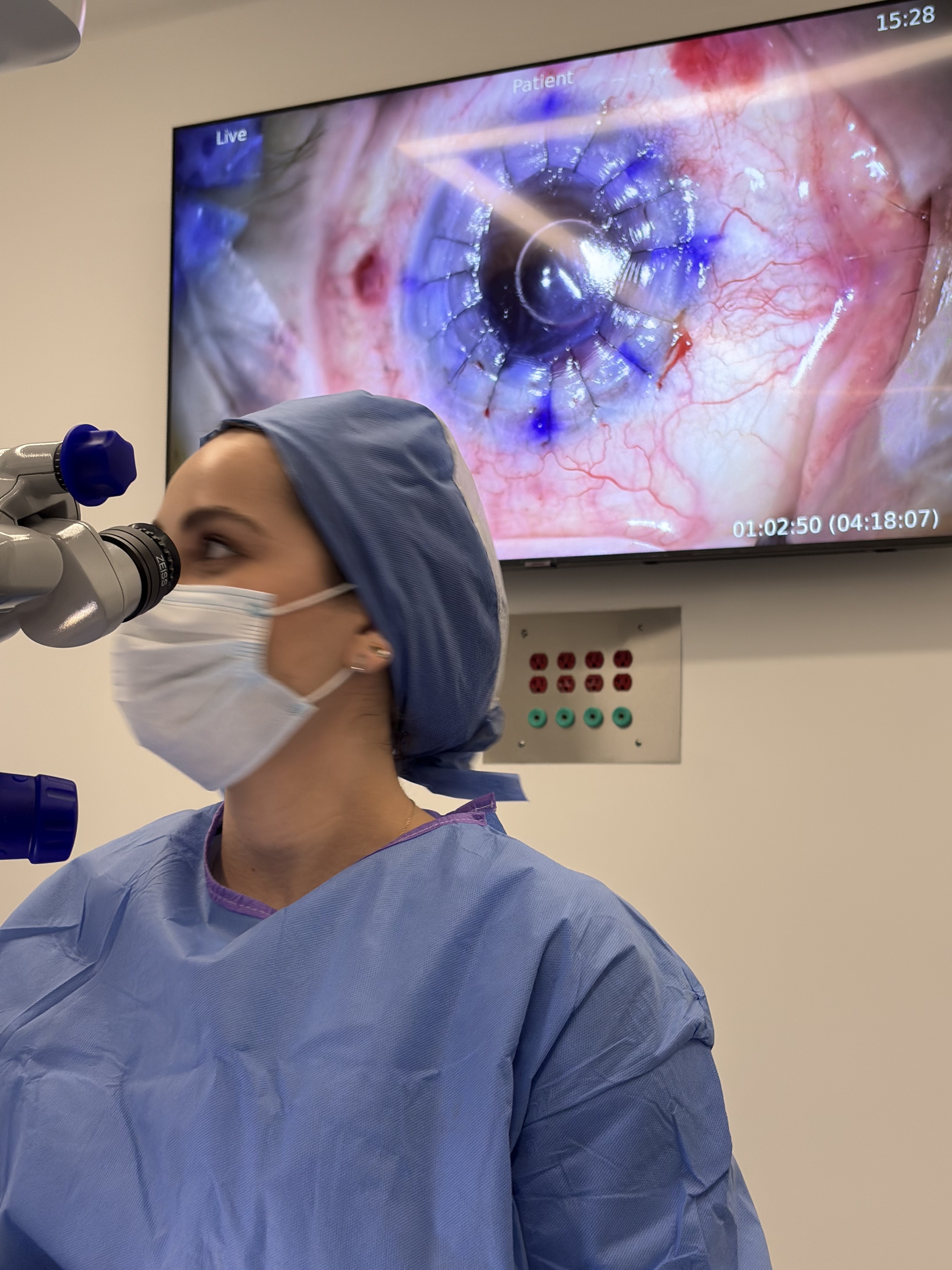


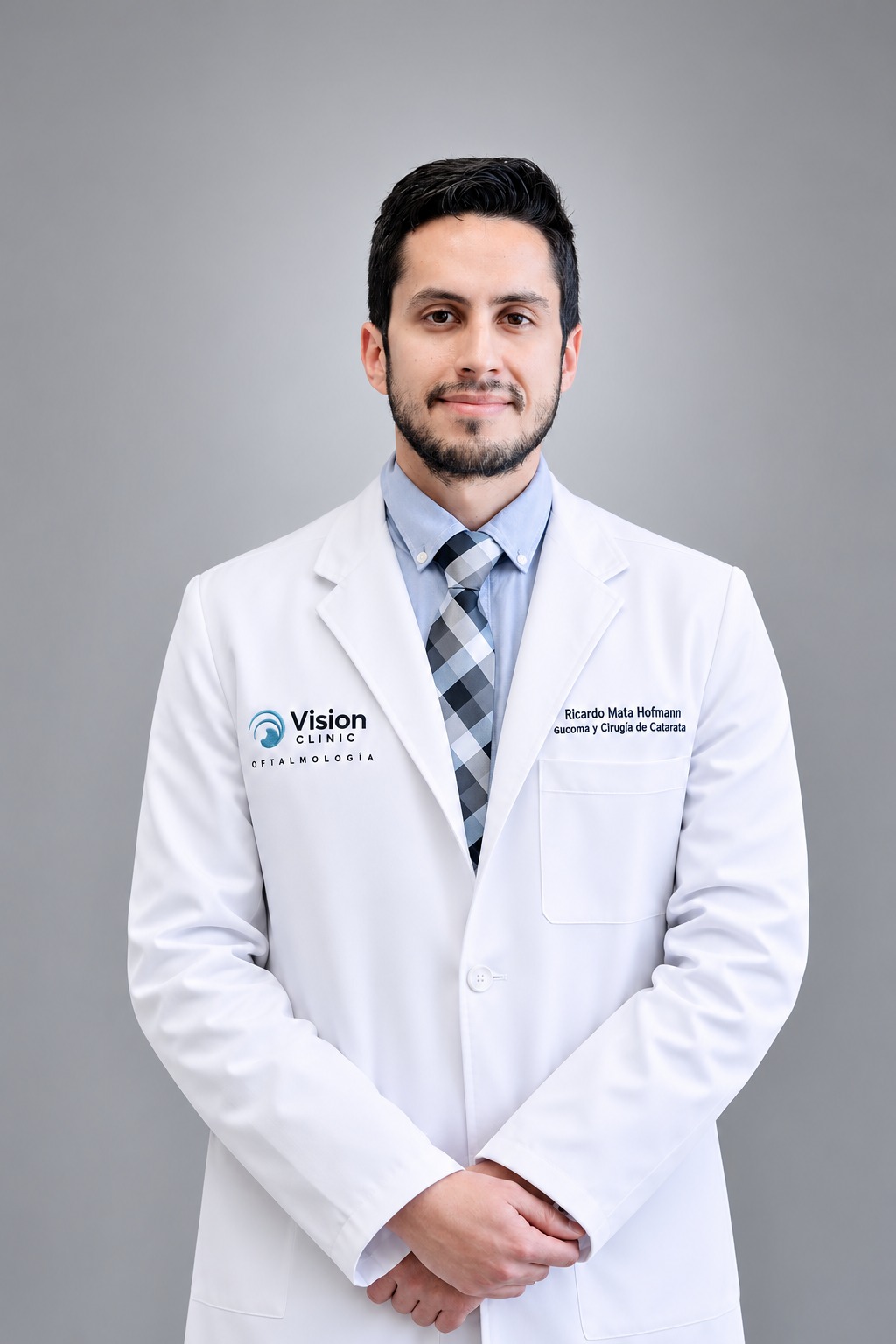
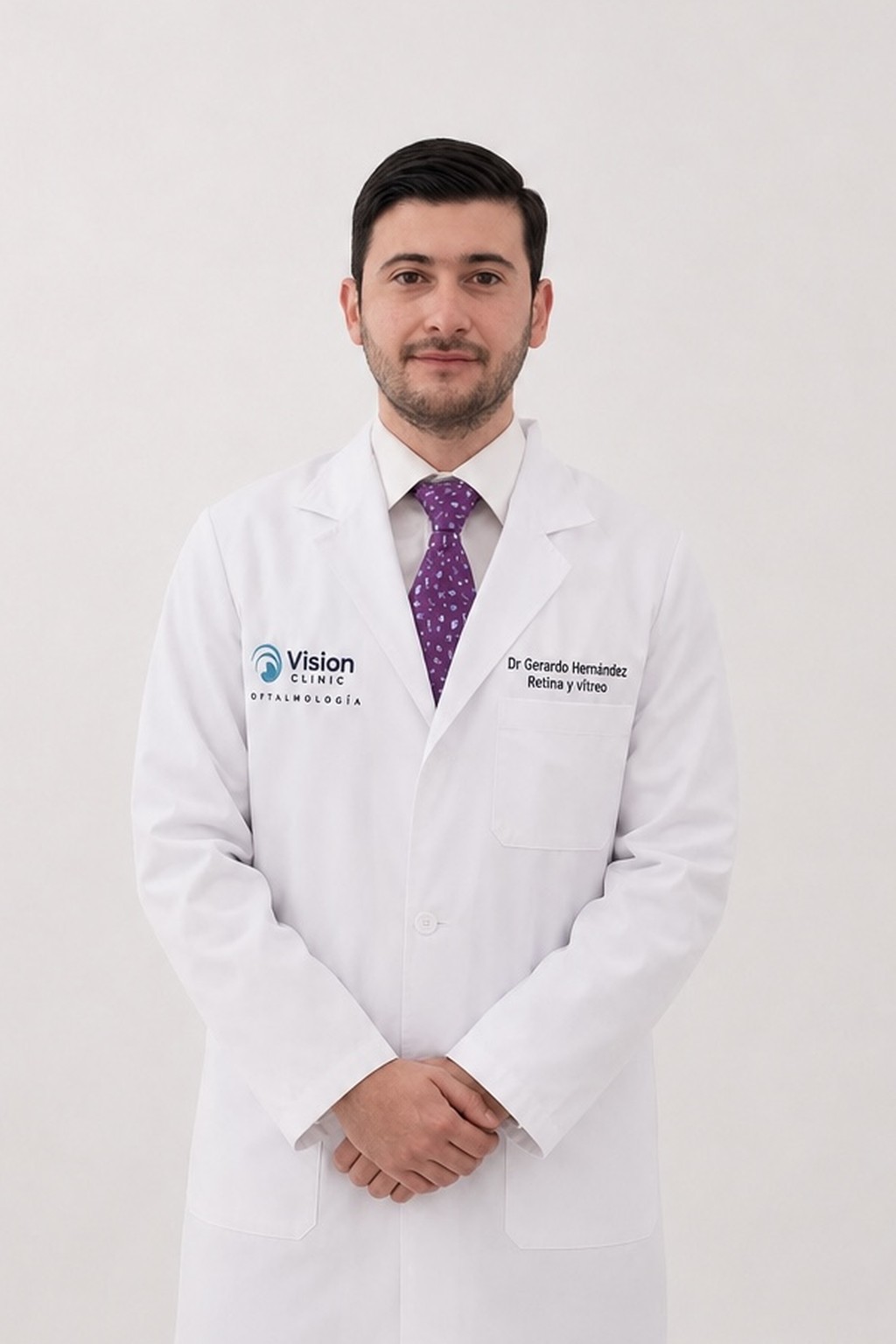
Tijuana's Reference Ophthalmologist Surgeons
Over 5,000 successful eye surgeries and 15,000 patients treated back our team, certified by the Mexican Board of Ophthalmology and each specialized in a different area of the eye.