
Keratoconus in Tijuana
Early detection and comprehensive management of progressive corneal thinning.
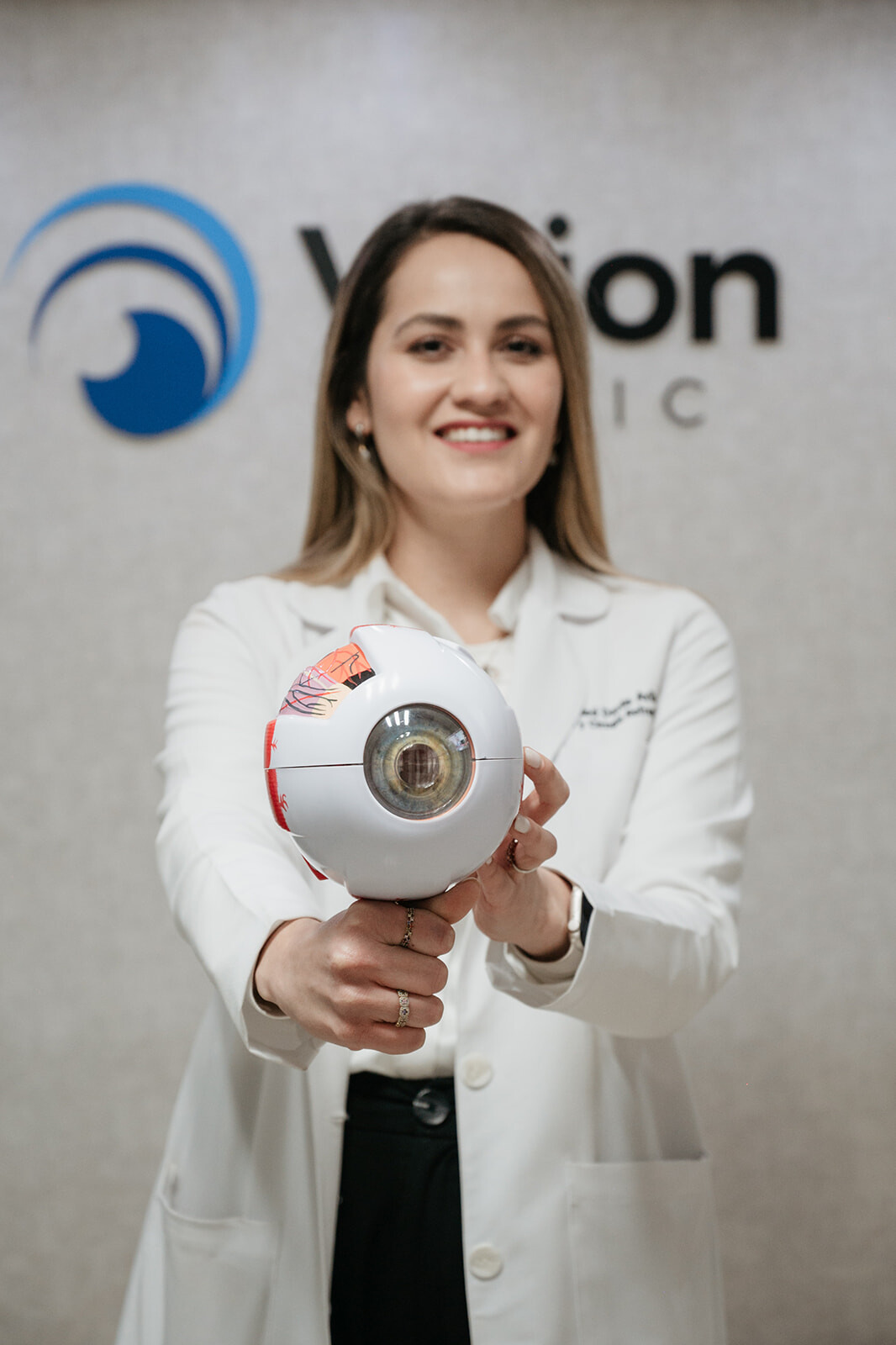
What sets us apart: Your keratoconus is evaluated and followed up by Dr. Ned Davila Avila, an ophthalmologist specialized in cornea with extensive experience diagnosing and managing keratoconus. She personally interprets your corneal topography and decides whether you need scleral lenses, crosslinking, or another treatment — not a generic evaluation.
General description
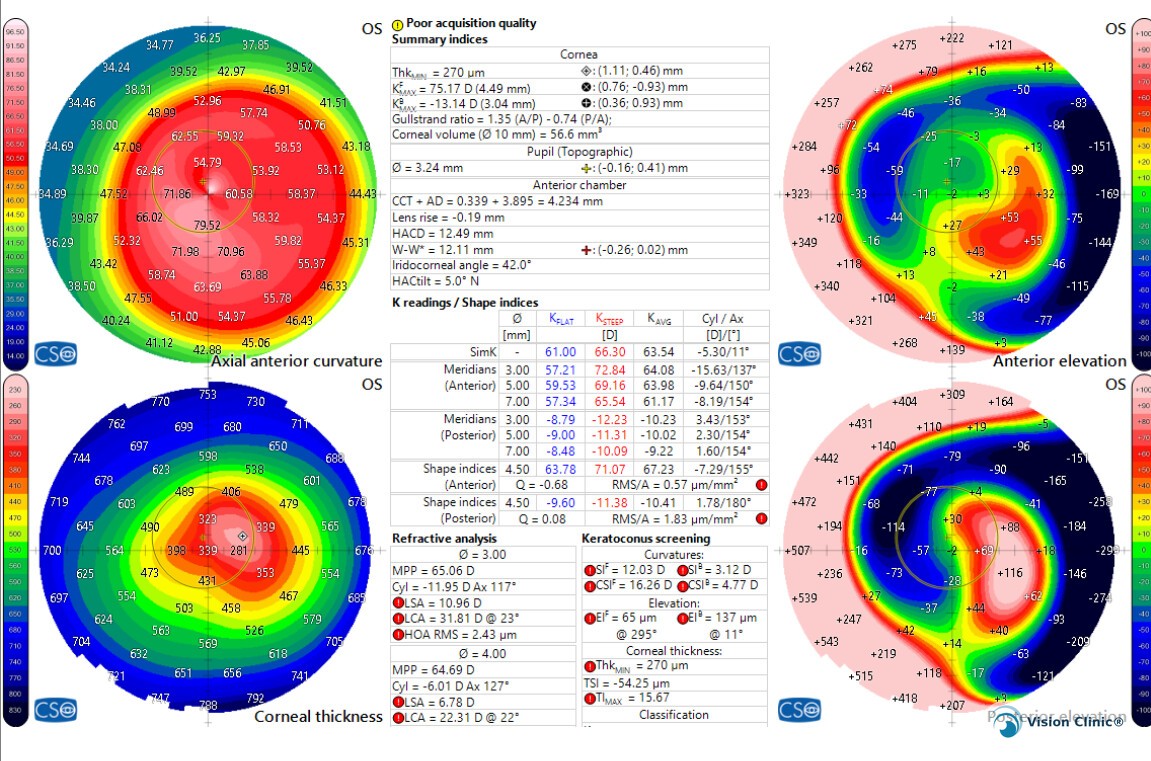
Keratoconus is a progressive condition in which the cornea thins and adopts an irregular conical shape, causing irregular astigmatism and vision loss. We have the Sirius Plus high-technology system to detect it with high-precision corneal tomography at early stages and define the most appropriate treatment for each case.
What does treatment involve?
Your case is evaluated by our corneal specialist, who determines the most appropriate treatment based on the stage and progression of your keratoconus. Options include:
Scleral contact lenses
Scleral lenses are larger-diameter rigid contact lenses that rest on the sclera (the white part of the eye) without touching the irregular cornea, creating a uniform optical surface over a layer of tears. They're an excellent option to improve vision in mild to moderate keratoconus without surgery, and are usually better tolerated than conventional contact lenses. Learn more about scleral lens fitting.
Corneal crosslinking
Crosslinking strengthens the cornea's collagen fibers using riboflavin and controlled ultraviolet light, halting keratoconus progression when detected early. Learn more about this procedure.
Intrastromal corneal ring segments (ICRS)
Intrastromal ring segments are small segments implanted within the thickness of the cornea to flatten and regularize its shape, improving vision and, in many cases, contact lens tolerance. It's an outpatient, reversible procedure, since the rings can be removed or adjusted if needed.
CAIRS (corneal allogenic intrastromal ring segments)
CAIRS is a newer alternative to synthetic rings: instead of an artificial material, segments of donor corneal tissue are implanted within the cornea, with the same goal of flattening and regularizing its shape. Because it's biological tissue, it integrates naturally and is an interesting option for thinner corneas that aren't candidates for conventional rings.
Toric ICL
When keratoconus is stable and the patient has high myopia and/or astigmatism that can't be comfortably corrected with glasses, a toric ICL —a phakic intraocular lens with astigmatism correction— can be implanted to significantly improve vision without touching the cornea. It's a reversible procedure, since the lens can be removed or replaced if needed.
In very advanced cases where none of these options are enough, corneal transplant remains a safe, effective alternative. Learn more about corneal transplant.
Care during treatment
Care depends on the treatment chosen for your case: scleral lenses and toric ICL don't require rest; crosslinking, intrastromal rings, CAIRS, and transplant are surgical procedures with corresponding post-surgical care (relative rest, antibiotic drops, and lubricant), and we include, at no cost, the post-surgical kit with starter treatment drops.
Follow-up
Keratoconus follow-up is ongoing, since it's a progressive condition; that's why the same Dr. Ned Davila Avila, our cornea specialist who evaluated your case, always follows up, with periodic tomography scans to confirm the cornea remains stable. We include one month of follow-up consultations at no cost after any procedure.
How do you know if you might have keratoconus?
Keratoconus tends to progress silently. It's worth getting evaluated if you notice any of these signs:
Your prescription has changed several times in a short period, or new glasses stop working well within a few months.
You see blurry or with ghost images (halos, double shadows) that don't fully improve with glasses.
You rub your eyes frequently, or have chronic untreated ocular allergies.
You have a direct family member (parent, sibling) diagnosed with keratoconus.
You've been told you have high or irregular astigmatism, especially if it appeared or worsened during adolescence.
More procedure videos
Corneal topography: making sure your cornea is healthy
Diagnosing keratoconus depends on corneal topography: it lets us see your cornea's real curvature, thickness, and shape to confirm the diagnosis, see how advanced it is, and decide on the most appropriate treatment for you —including whether crosslinking is the right option. We perform it right here, with the Sirius Plus system, the same day as your consultation.
Frequently Asked Questions
How is keratoconus diagnosed?
With a high-precision corneal tomography scan (we have the Sirius Plus system), which maps the shape and thickness of your cornea in minutes and can detect keratoconus even at very early stages, before it significantly affects your vision.
Is there a cure for keratoconus?
It isn't "cured" in the sense of reversing the cornea to its original shape, but its progression can be stopped (with crosslinking) and vision can be significantly improved (with scleral lenses, rings, CAIRS, or toric ICL, depending on the case). Early detection is what most changes the long-term outlook.
At what age does keratoconus typically appear?
It usually appears during adolescence or early adulthood (between ages 10 and 25) and tends to progress faster during this stage, which is why early detection in young people with frequent prescription changes is especially important.
Can I wear regular contact lenses if I have keratoconus?
In very early stages, yes. As the cornea becomes more irregular, conventional contact lenses stop providing good vision and tend to be uncomfortable, which is when scleral lenses —designed specifically to vault over the irregular area of the cornea— become the best non-surgical option.
Can eye rubbing cause keratoconus?
Frequent, forceful eye rubbing doesn't cause keratoconus on its own, but it is associated with faster onset and progression in people who already have a predisposition (for example, due to ocular allergies). That's why we always recommend treating the underlying cause of the itching (allergies) and avoiding rubbing your eyes.
Related articles
Keratoconus in Tijuana: early detection with corneal tomography
How we identify keratoconus before it significantly affects vision.
Learn more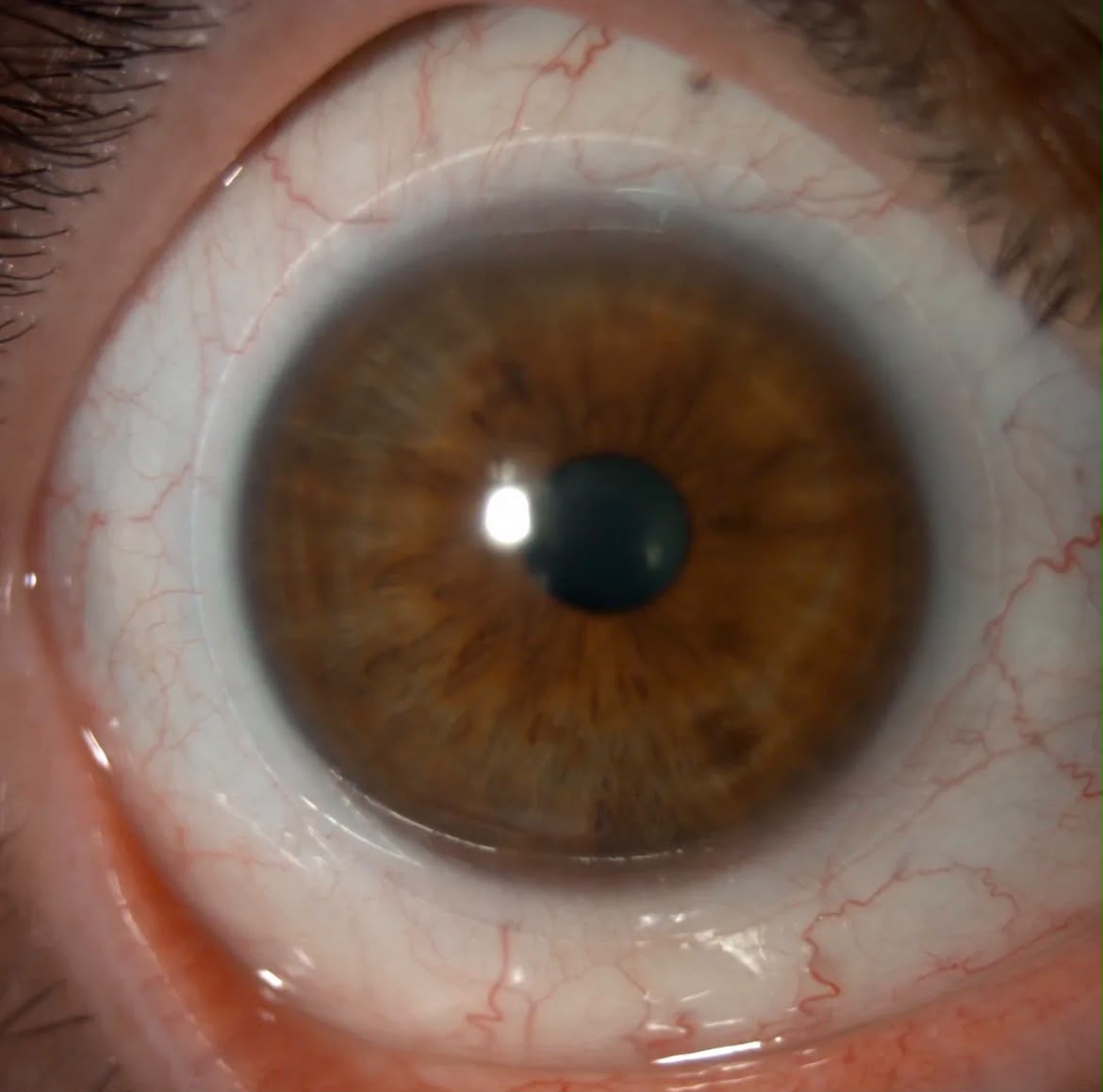
Scleral Lenses in Tijuana: what they are, who they're for, and what to expect from the fitting process
What scleral lenses are, who's a candidate, and what the fitting process at Vision Clinic looks like, step by step.
Learn moreWhat our patients say
Other treatments
Scleral Lens Fitting
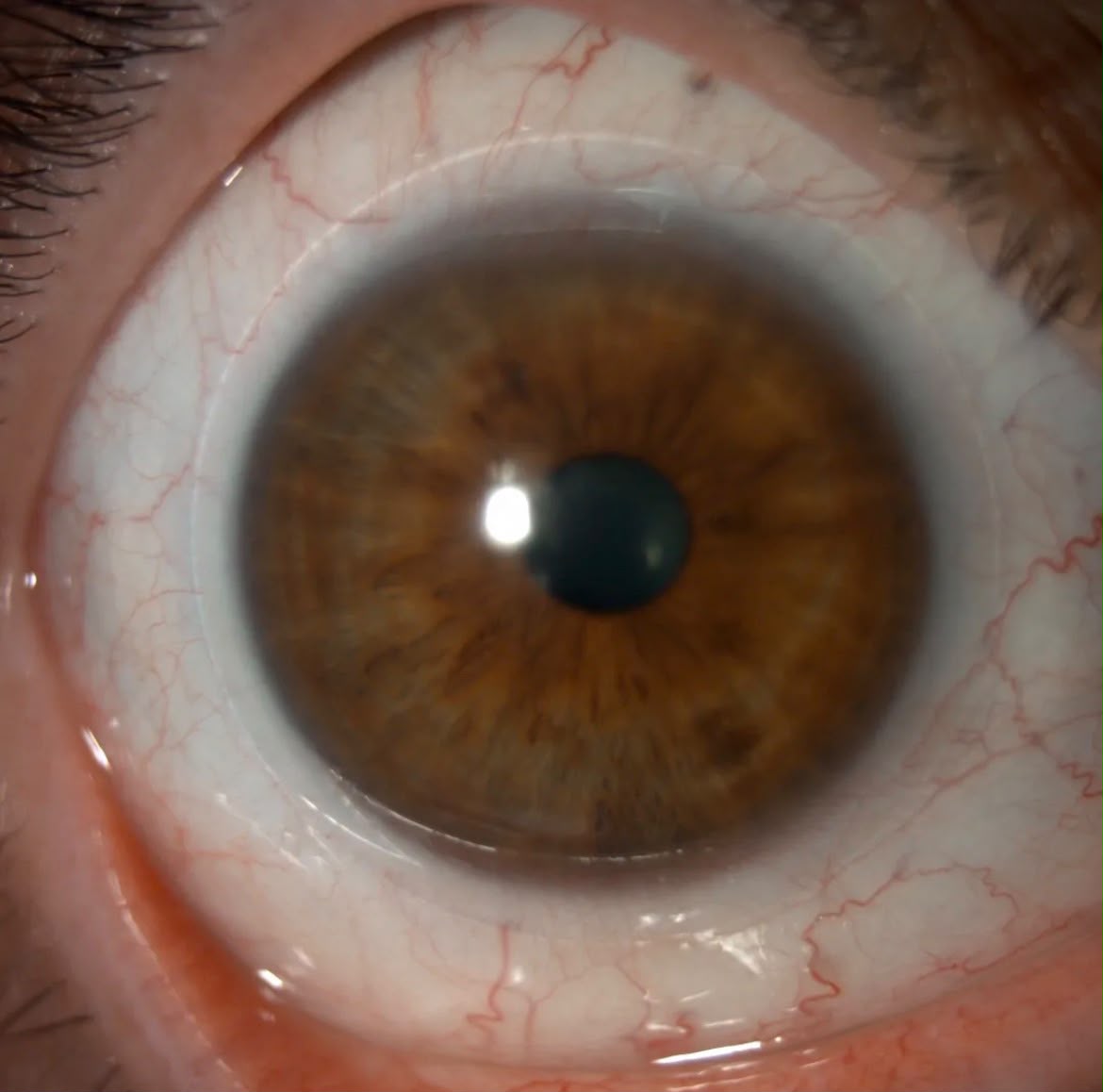
Larger-diameter rigid contact lenses that vault over an irregular cornea to create a uniform optical surface — no surgery required.
Learn more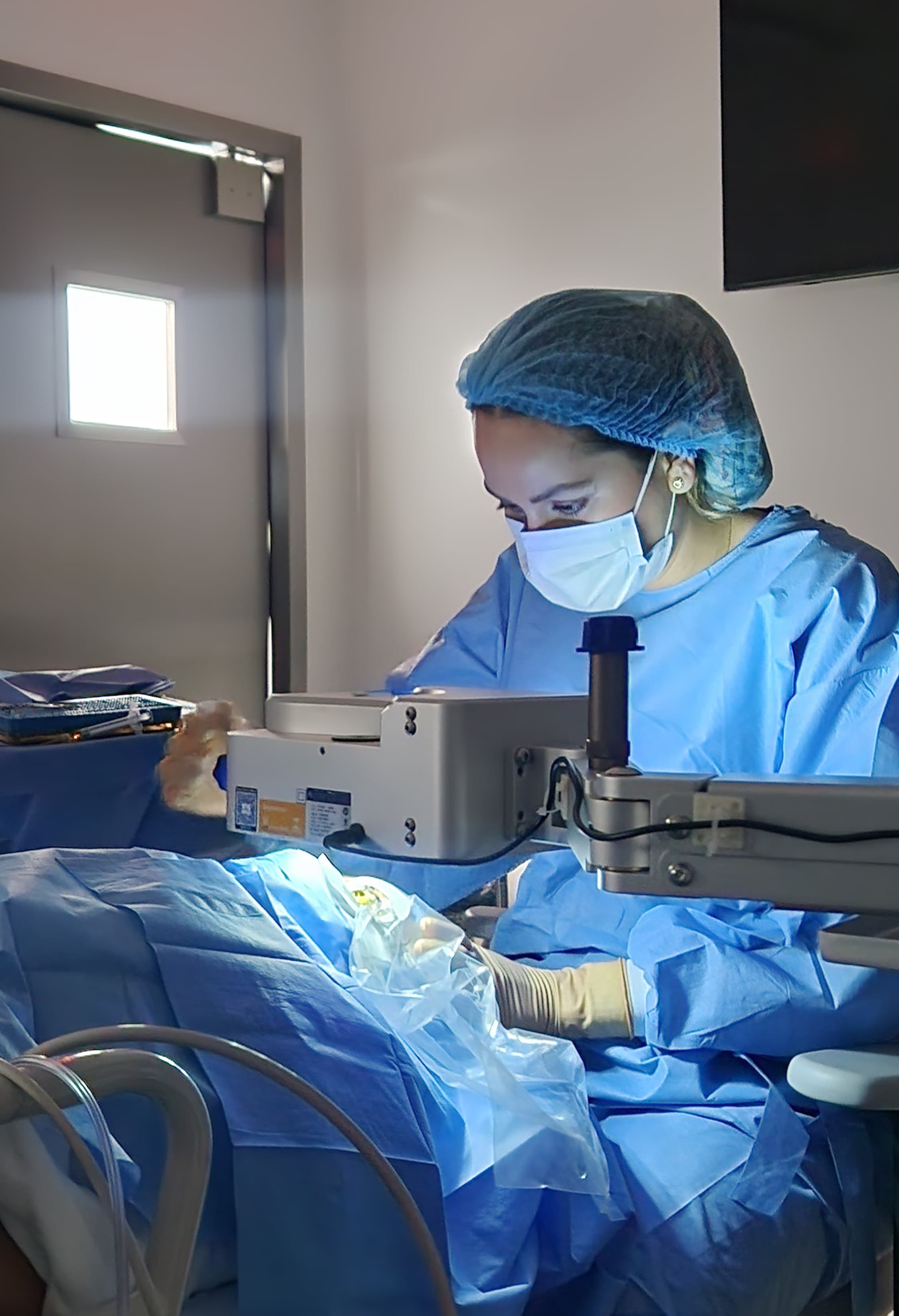
Corneal Crosslinking in Tijuana
A procedure that strengthens the cornea and halts keratoconus progression.
Learn more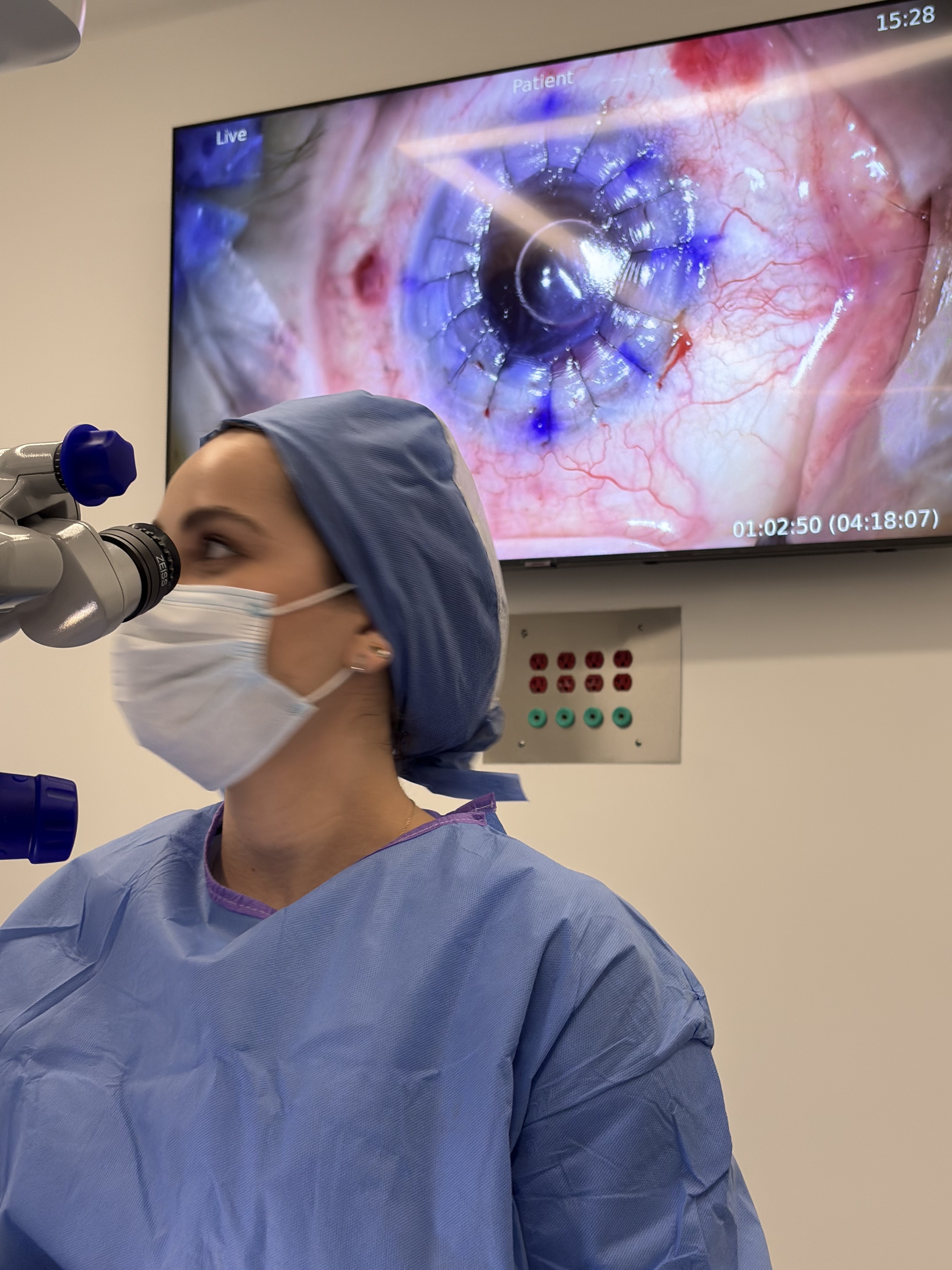



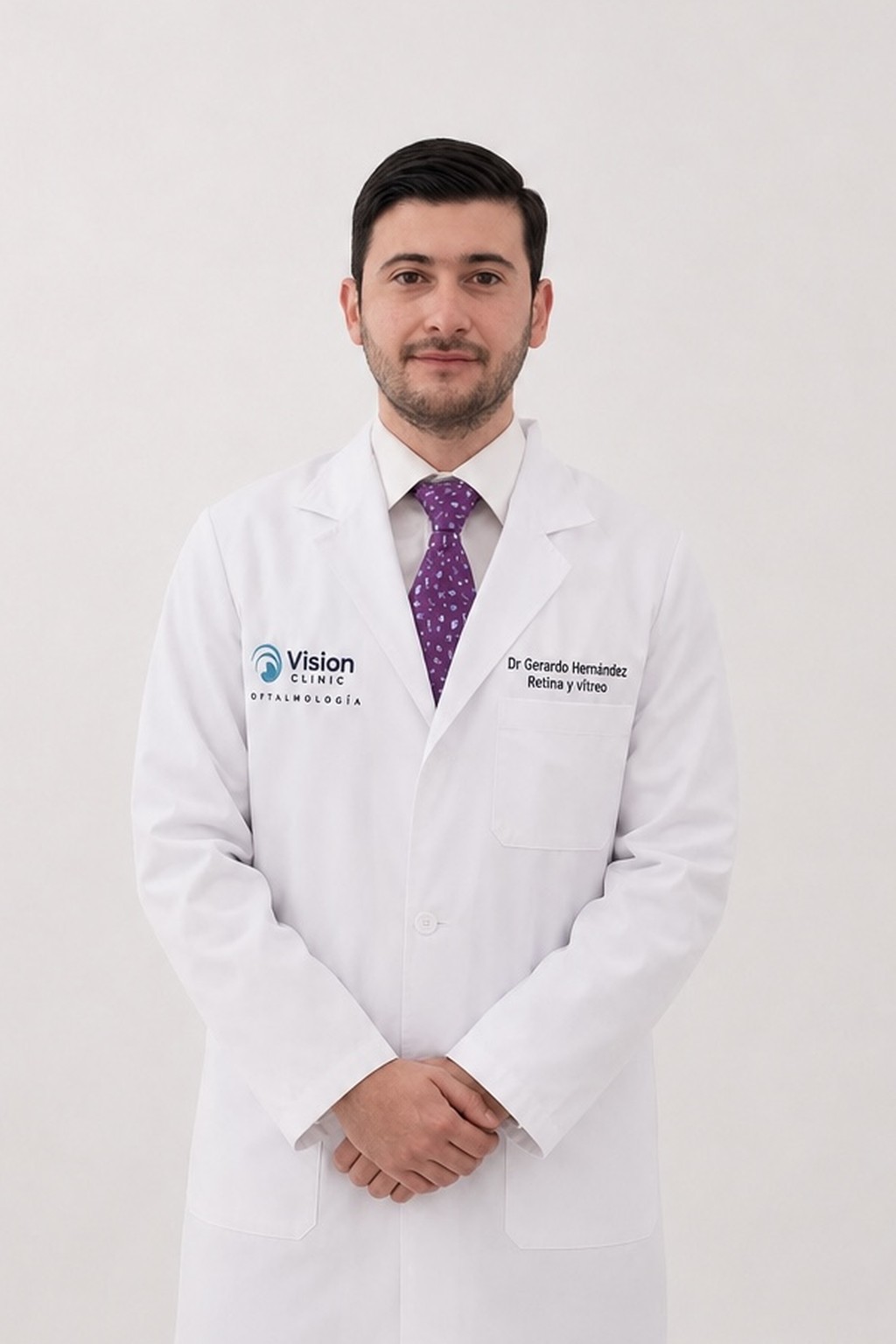
Tijuana's Reference Ophthalmologist Surgeons
Over 5,000 successful eye surgeries and 15,000 patients treated back our team, certified by the Mexican Board of Ophthalmology and each specialized in a different area of the eye.