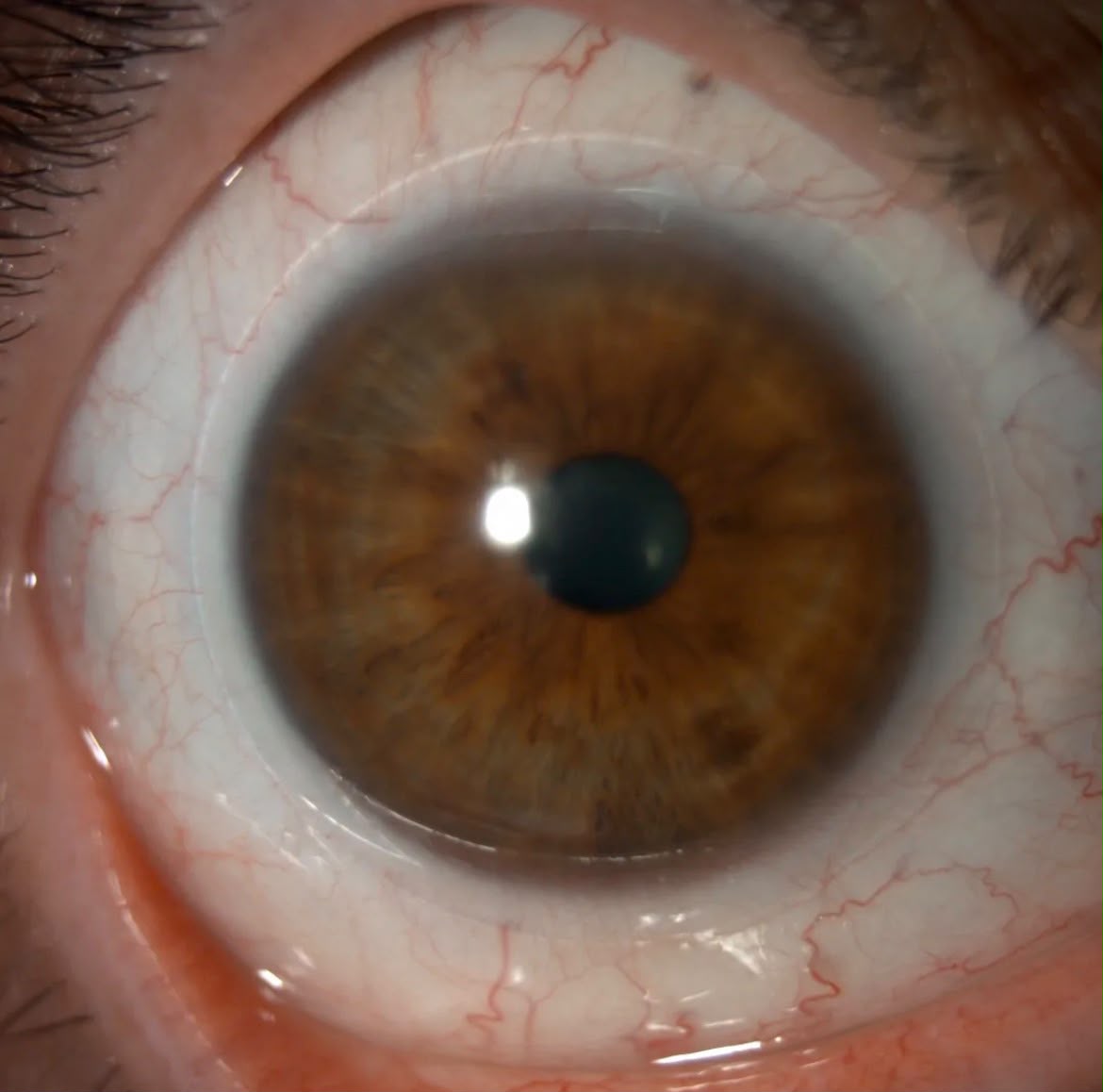
Scleral Lenses in Tijuana: what they are, who they're for, and what to expect from the fitting process
Last updated: August 2026
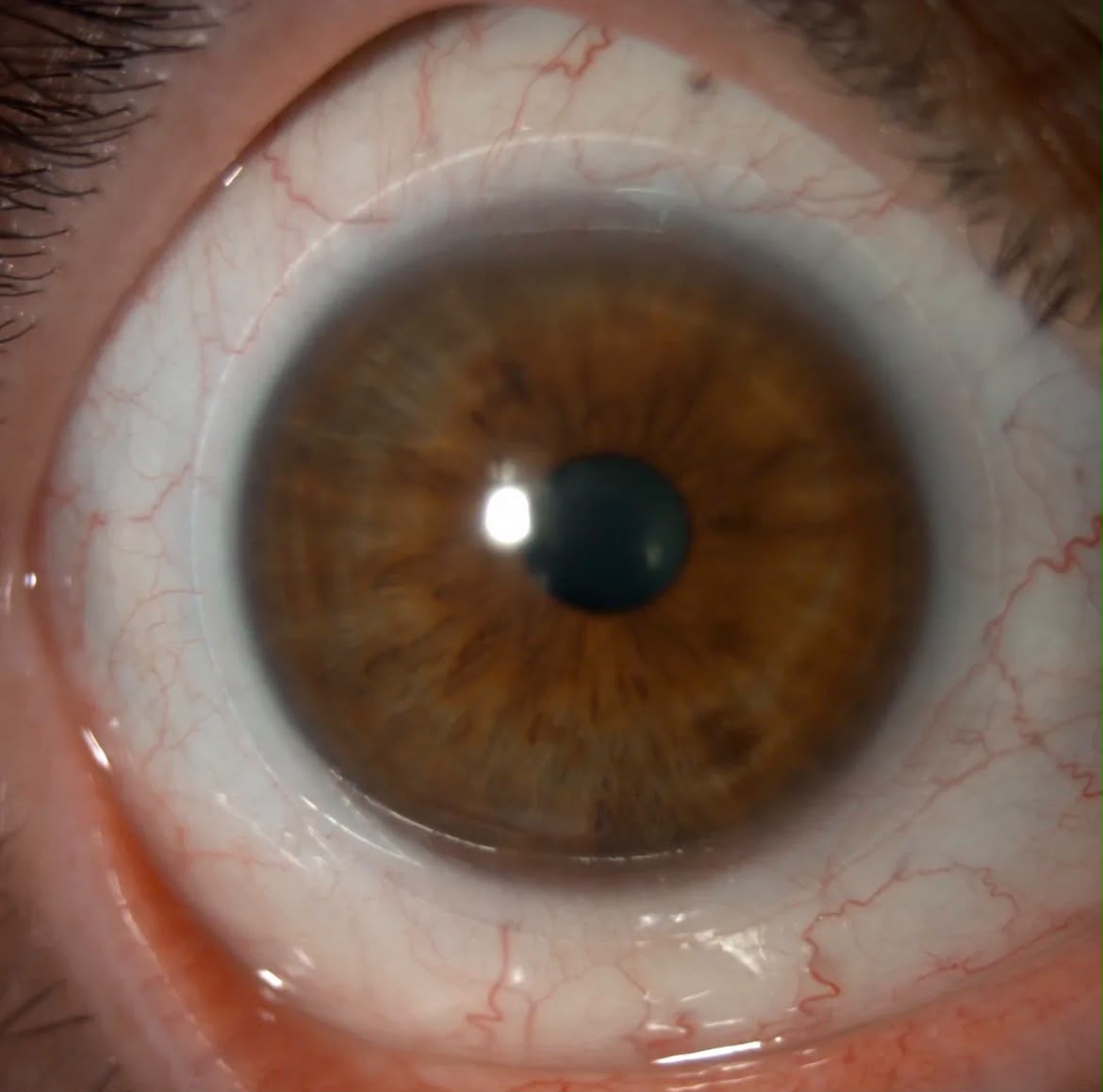
Some patients come to me after years of thinking they'd run out of options for seeing well without surgery —because of keratoconus, an irregular cornea after a transplant, or severe dry eye that no conventional lens can tolerate. For many of them, scleral lenses are the answer they didn't know existed. Here's what they are, who they're best for, and what the process looks like at Vision Clinic.
What are scleral lenses?
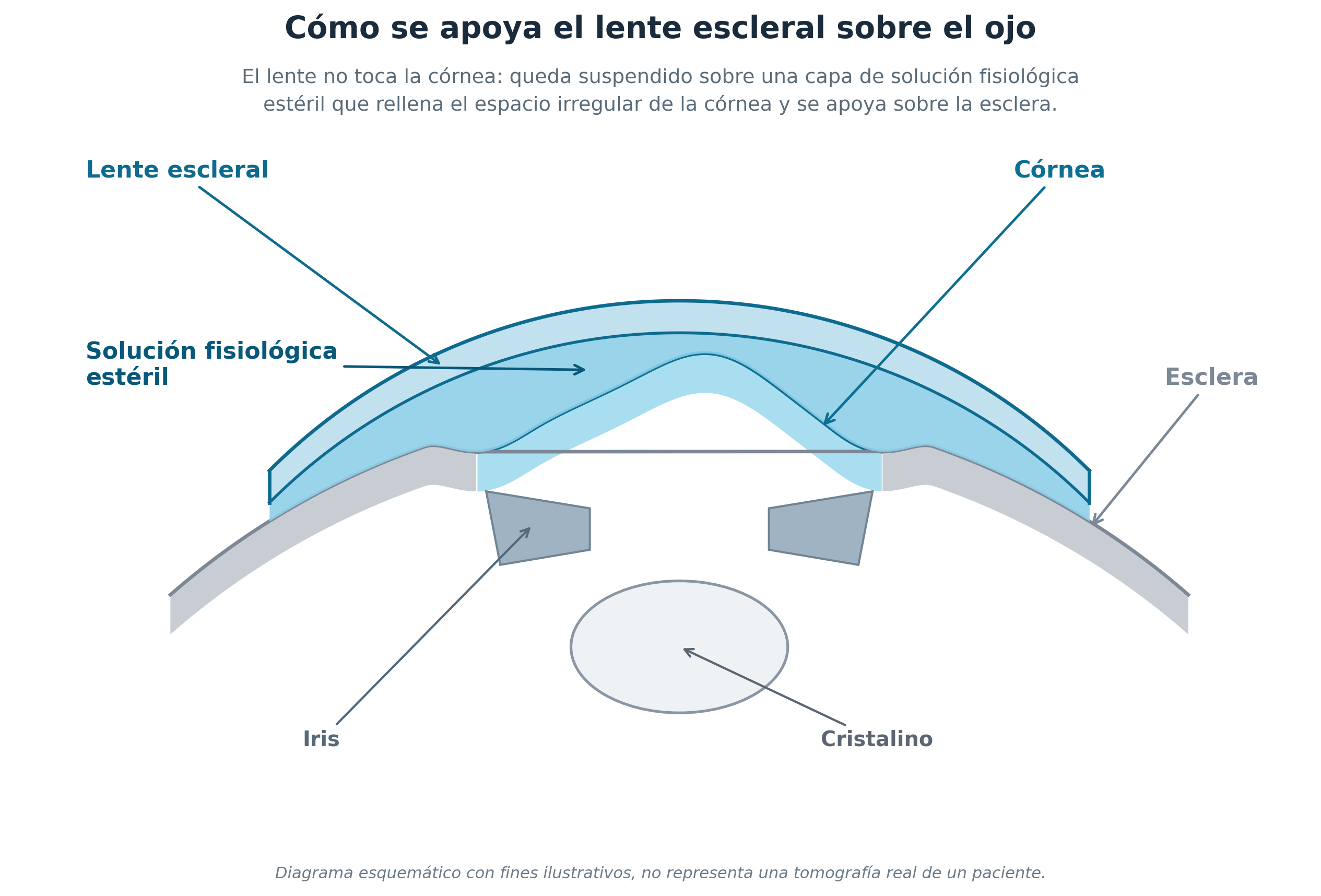
Scleral lenses are larger-diameter rigid contact lenses that rest on the sclera —the white part of the eye— without touching the cornea. The space between the lens and the cornea is filled with saline solution, creating a uniform optical surface even when the cornea has an irregular shape. They're the most effective non-surgical option to improve vision in keratoconus, irregular corneas after a corneal transplant or previous surgery, and cases of severe dry eye that haven't responded to other treatments, and they're usually better tolerated than conventional contact lenses.
Who's a candidate for scleral lenses?
Diagnosed keratoconus
You have diagnosed keratoconus and conventional contact lenses no longer give you good vision or are uncomfortable.
Irregular cornea
Your cornea became irregular after a corneal transplant or a previous surgery.
Severe dry eye
You have severe dry eye that hasn't improved with drops or other conventional treatments.
Can't tolerate regular lenses
You've tried regular contact lenses and can't tolerate them, due to discomfort, poor vision, or both.
What's the fitting process like at Vision Clinic?
Caring for your scleral lenses
- Don't sleep with your lenses in, unless your specialist tells you otherwise.
- Wear them a maximum of 10 to 16 hours a day, as indicated by your specialist.
- Always wash your hands with soap before handling them.
- Clean them every night with the recommended saline solution to remove deposits and prevent infections.
- Check them before inserting for any damage or scratches.
- Avoid pools, the ocean, or hot tubs while wearing them.
Frequently Asked Questions
Do scleral lenses hurt or feel uncomfortable?
No. Since they rest on the sclera and don't touch the cornea, most patients find them more comfortable than conventional contact lenses, especially if they have keratoconus or another corneal irregularity.
How many hours a day can they be worn?
It depends on each case, but most patients wear them through their regular day (10-16 hours) and remove them before sleeping. We don't recommend sleeping with contact lenses in.
What's the difference between scleral lenses and regular contact lenses?
Regular contact lenses rest directly on the cornea and follow its shape, so if the cornea is irregular they don't give good vision and can be uncomfortable. Scleral lenses, being larger, vault over the cornea and rest on the sclera instead, creating a new, uniform optical surface no matter how irregular the cornea underneath is.
Do scleral lenses work for keratoconus?
Yes. They're one of the most effective non-surgical options to improve vision in mild to moderate keratoconus, since they create a uniform optical surface over the irregular cornea. Learn more about our keratoconus treatment options.
Do I need a referral from another institution to get fitted for scleral lenses?
No. You can book your evaluation and corneal topography directly with us — no referral needed.
How long does the fitting process take?
It varies by case, but generally includes an initial consultation with topography and a diagnostic lens trial, followed by the manufacturing of your definitive lens (which can take a few weeks) and one or more fitting and training visits.
How much do scleral lenses cost in Tijuana?
A pair costs $20,000 Mexican pesos. Your exact quote is confirmed during the diagnostic lens trial, once we know the specific design your cornea needs.
How long do scleral lenses last?
With proper care, a pair of scleral lenses can last up to 2 years before needing replacement.
If you feel like you've run out of options with conventional lenses, or you've been told you need a corneal transplant and want to know if there's an alternative before going there, I invite you to schedule your evaluation —same-day corneal topography tells us if you're a candidate.