Corneal transplant in Tijuana: modern techniques and recovery
Last updated: August 2026
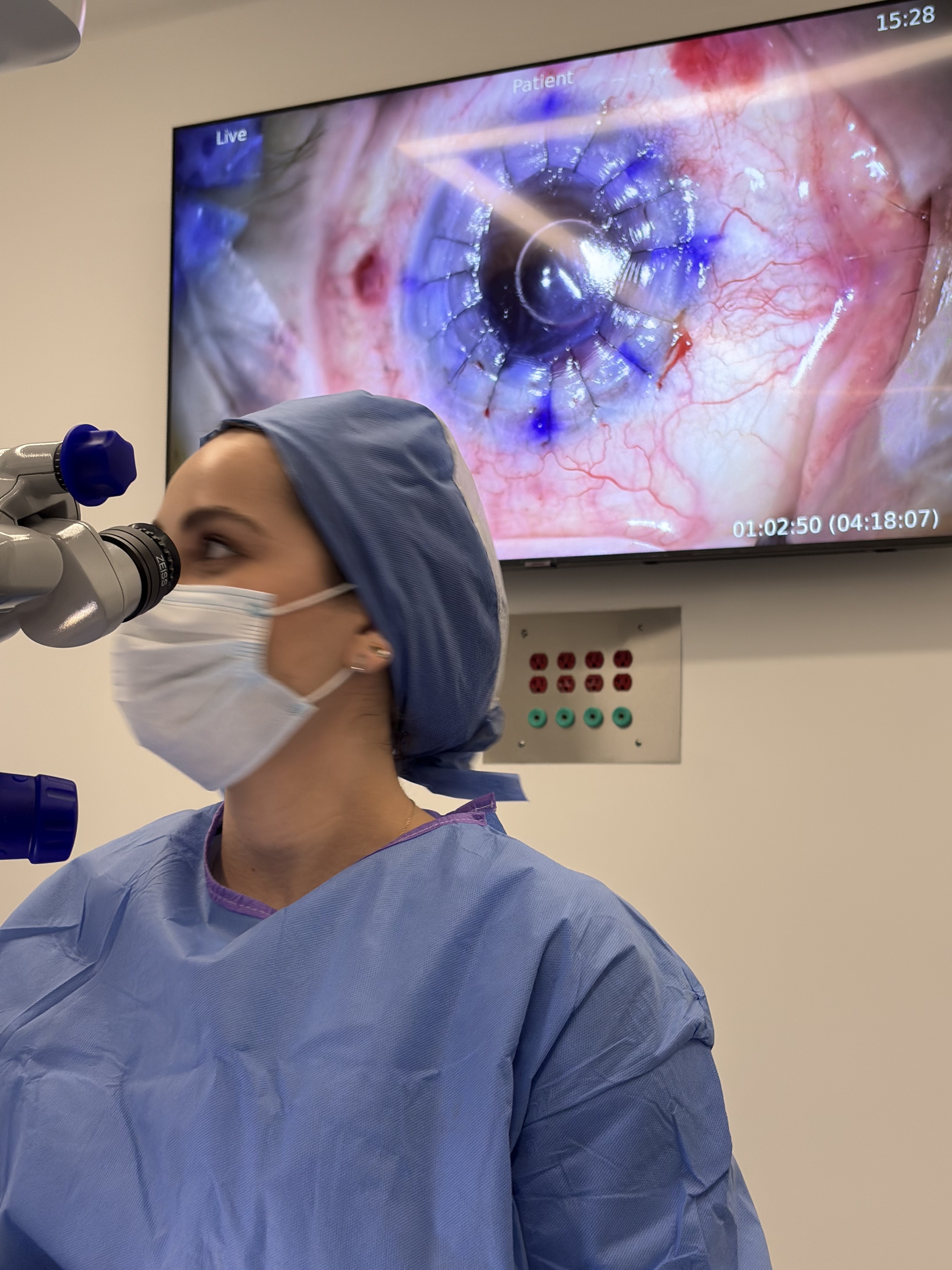
A corneal transplant is only possible because of an extraordinary act: a person and their family's decision to donate their organs and tissue. Every cornea we transplant represents that gift, and we treat it with all the respect and responsibility it deserves.
In Mexico, and in Tijuana specifically, very few surgeons have access to perform this type of surgery. In my case, I perform corneal transplants strictly following the rules and regulations of Mexico's National Transplant Center (CENATRA).
What do I need to get a transplant in Mexico?
Mexican law sets clear requirements to be eligible to receive a donated cornea:
From full-thickness to lamellar techniques
For a long time, a corneal transplant meant replacing all of its layers —what we call penetrating keratoplasty (PKP). Today the trend is different: whenever possible, we prefer lamellar techniques, which replace only the damaged layer of the cornea and preserve the patient's healthy tissue. This translates into lower rejection risk and a faster visual recovery.
These are techniques I've mastered, and ones that few surgeons in Mexico perform:
DALK
Deep anterior lamellar keratoplasty: replaces the anterior layers of the cornea and preserves the patient's own endothelium, as long as it's healthy.
DSAEK
Replaces the posterior layers of the cornea, including the damaged endothelium, with a faster recovery than a full-thickness transplant.
DMEK
The finest and most precise technique: replaces only Descemet's membrane and the endothelium, with the fastest visual recovery of all the techniques.
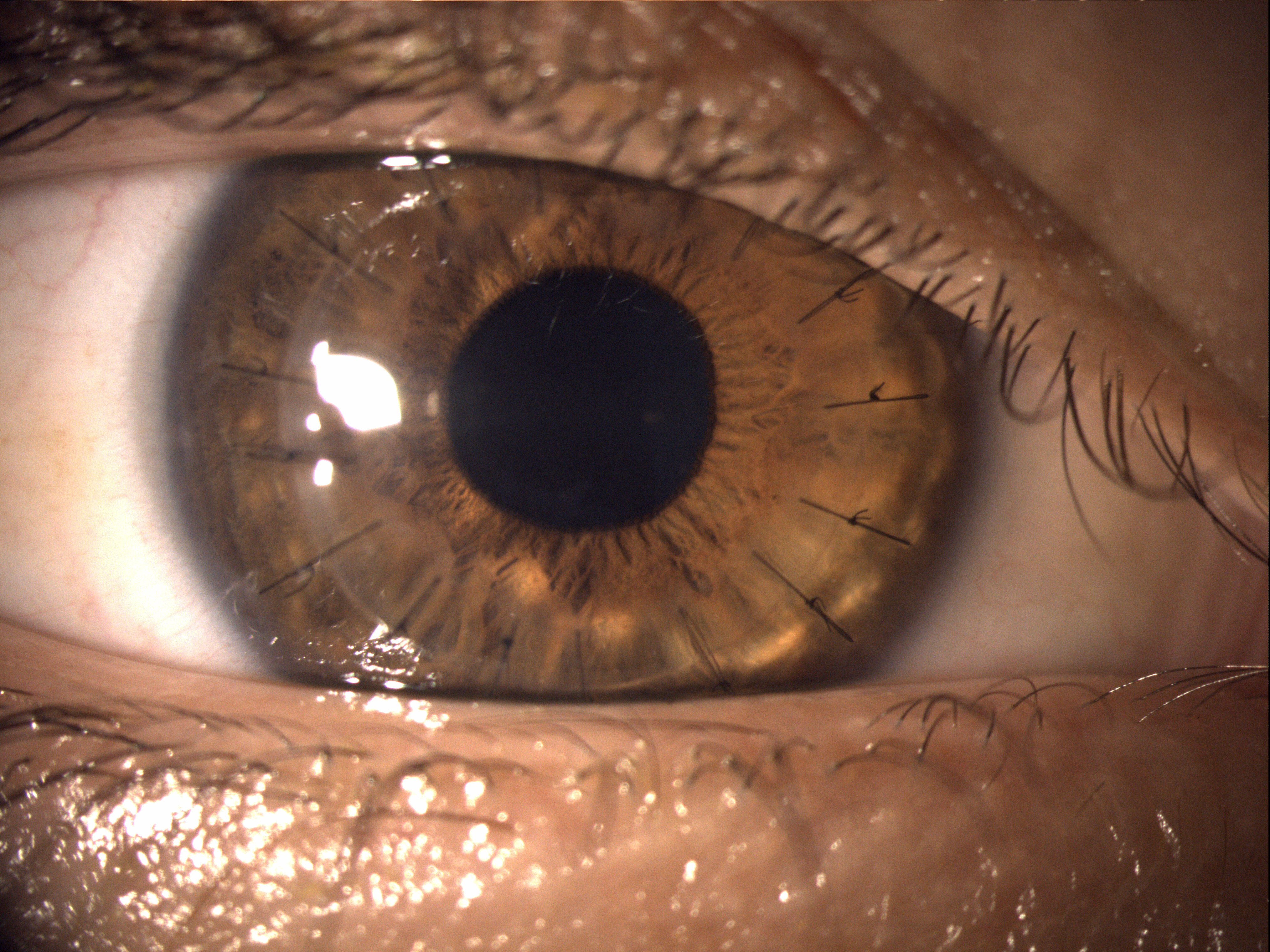
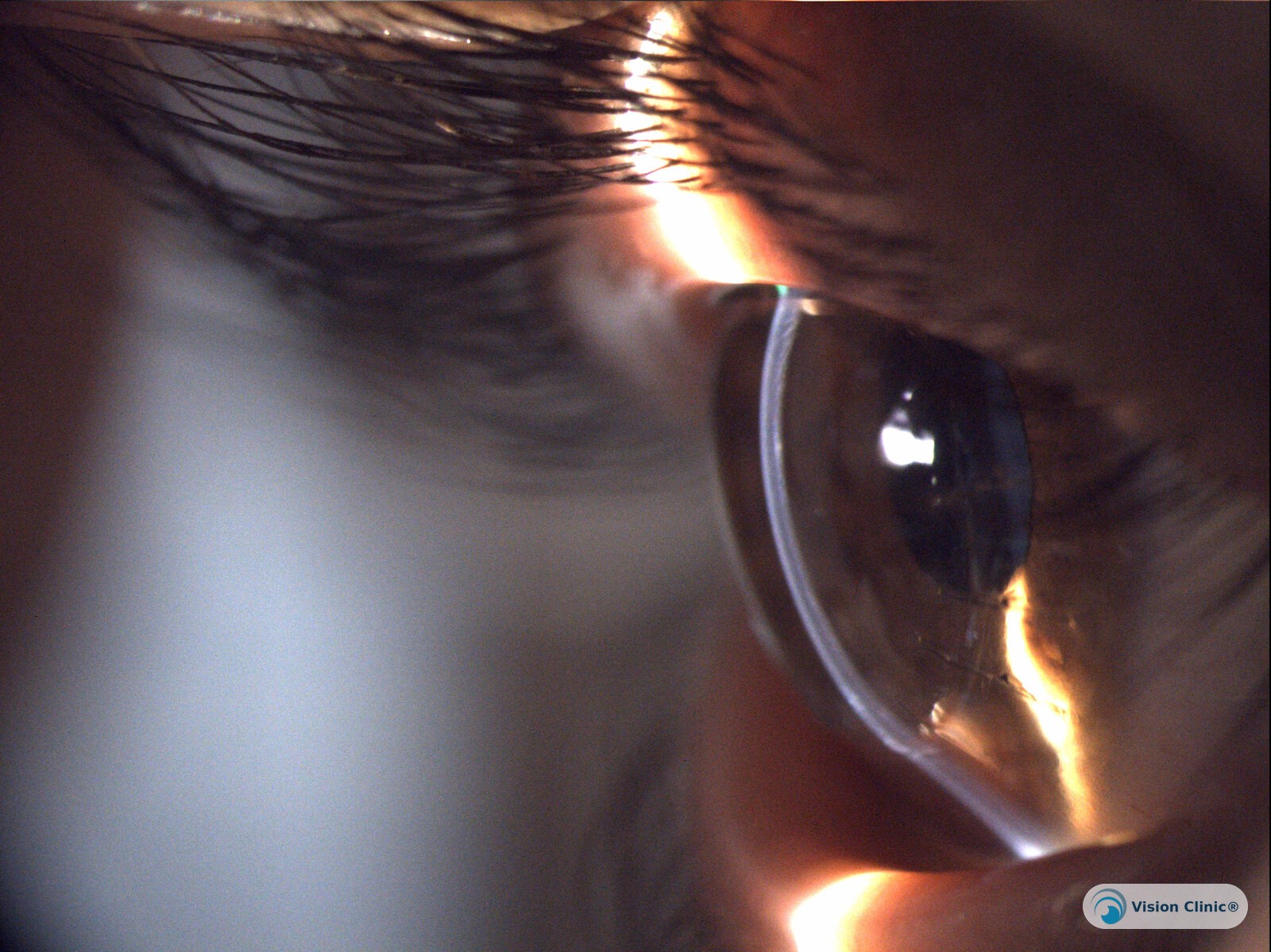
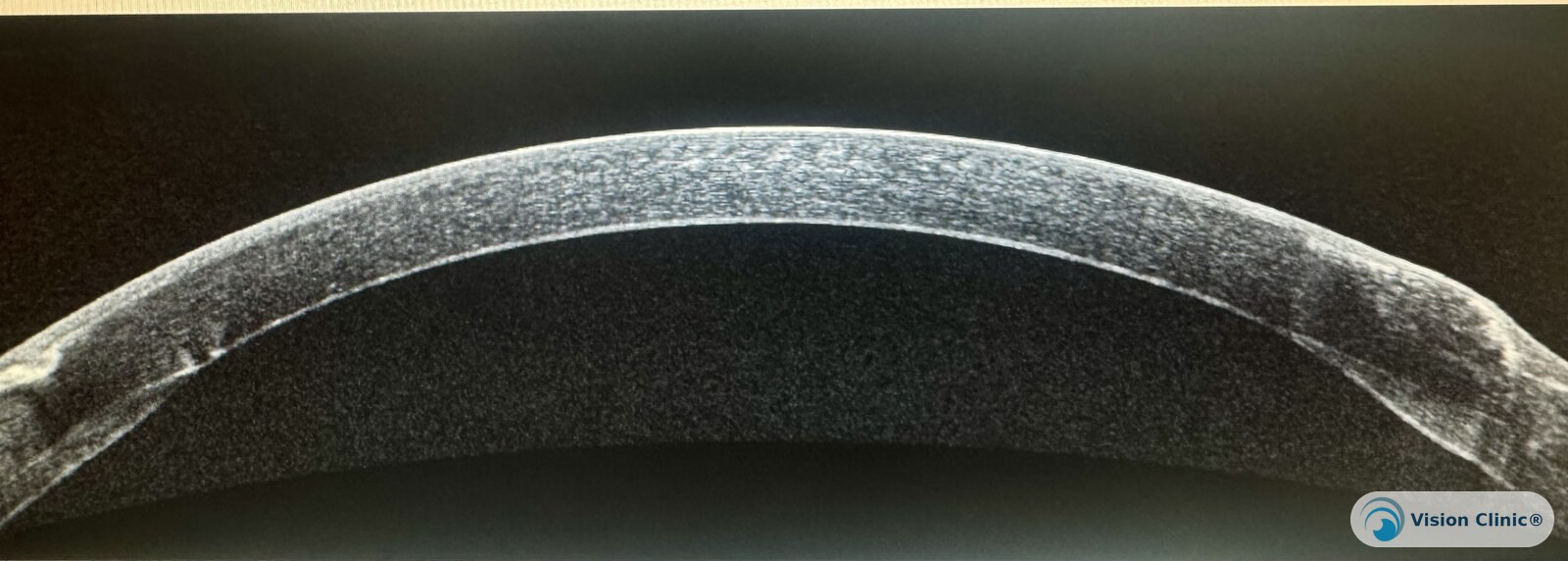
Real case: advanced keratoconus treated with DALK
To show what this looks like in practice, here are images from a real case: a patient with advanced keratoconus in whom, instead of a full-thickness transplant, we performed a DALK lamellar transplant —replacing only the anterior layers of the cornea and preserving their healthy endothelium.
We guide you through the whole process
At Vision Clinic we have a defined protocol to guide you through the entire administrative process required for a corneal transplant in Mexico, from registration to tissue assignment, always following CENATRA's guidelines.
The day of your surgery
Care during recovery
During recovery, it's important to follow these guidelines:
- Avoid physical exertion during the first month.
- Don't swim in pools for the first 3 weeks.
- Apply your drops exactly as instructed.
An important point: most transplants require anti-inflammatory drops for at least 6 months, depending on each case —it's a treatment I adjust individually at each of your check-ups.
If a corneal transplant has been recommended for you, I invite you to schedule your evaluation with me — I'll be with you every step of the way, from the paperwork to your full recovery.