
Pterygium and Conjunctival Lesions
Surgical removal of pterygium and conjunctival lesions, using techniques that minimize recurrence.
What sets us apart: Pterygium surgery is performed by Dr. Ricardo Mata and Dr. Ned Davila Avila, both with extensive experience in this procedure — a careful technique is key to minimizing the risk of recurrence and leaving a healthy ocular surface.
General description
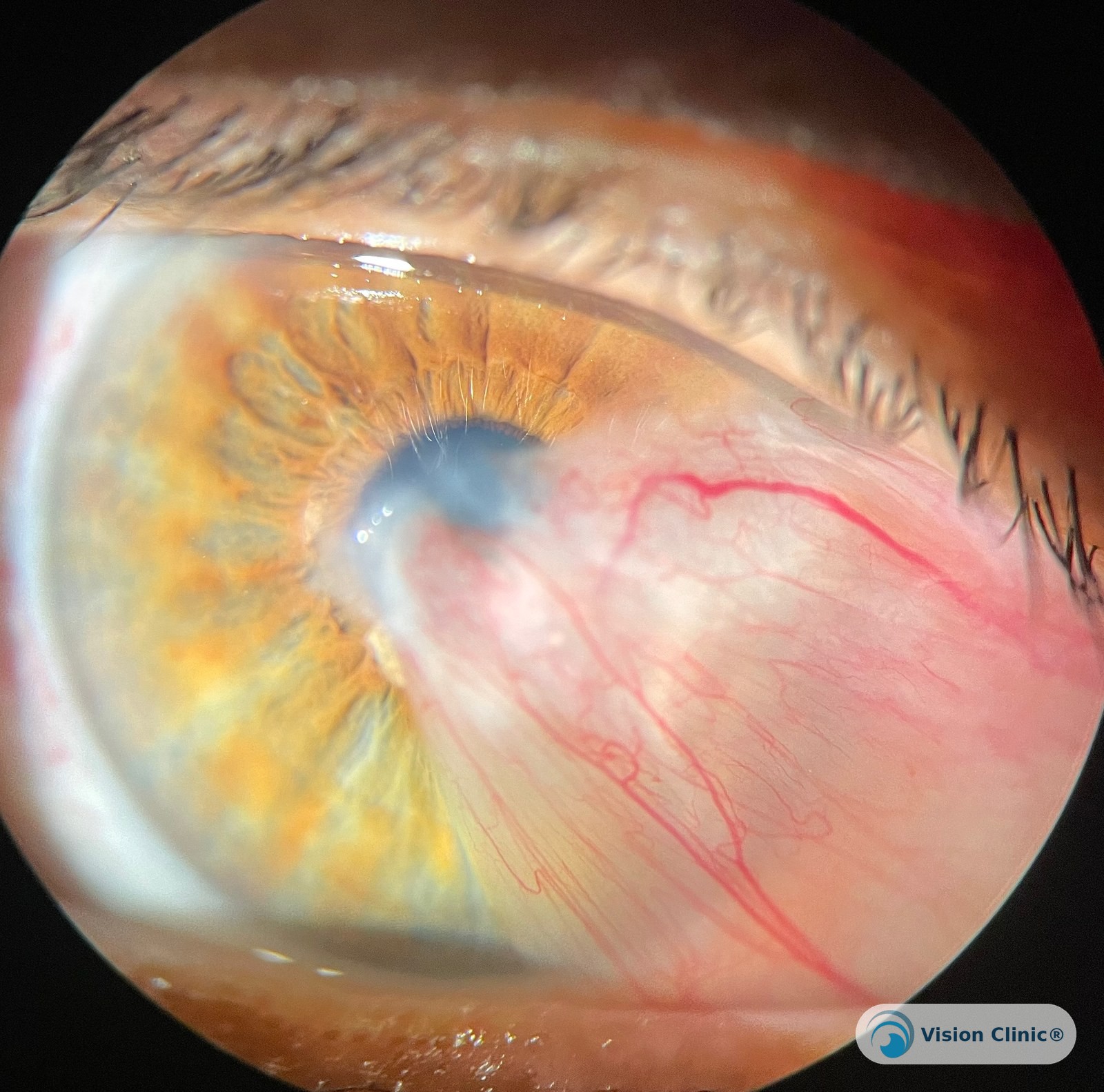
Pterygium is a growth of conjunctival tissue over the cornea, often associated with sun exposure and dry or dusty environments. Other benign or suspicious-looking lesions can also appear on the conjunctiva. When they affect vision, appearance, cause chronic discomfort, or there's diagnostic uncertainty, surgical removal is recommended —using graft techniques that minimize recurrence— along with sending a biopsy for suspicious lesions to confirm the diagnosis.
Not every conjunctival lesion is a simple pterygium: some can be malignant. If you notice a new lesion, spot, or growth on the conjunctiva, we recommend a complete ophthalmological evaluation to rule this out.
What does the surgery involve?
Pterygium Surgery
The pterygium tissue is removed and the area is covered with a graft of the patient's own conjunctiva (auto-graft), a technique that significantly reduces the risk of recurrence compared to other methods. It's an outpatient surgery of about 20–30 minutes, done under local anesthesia.
Removal of Conjunctival Lesions (Benign and Malignant)
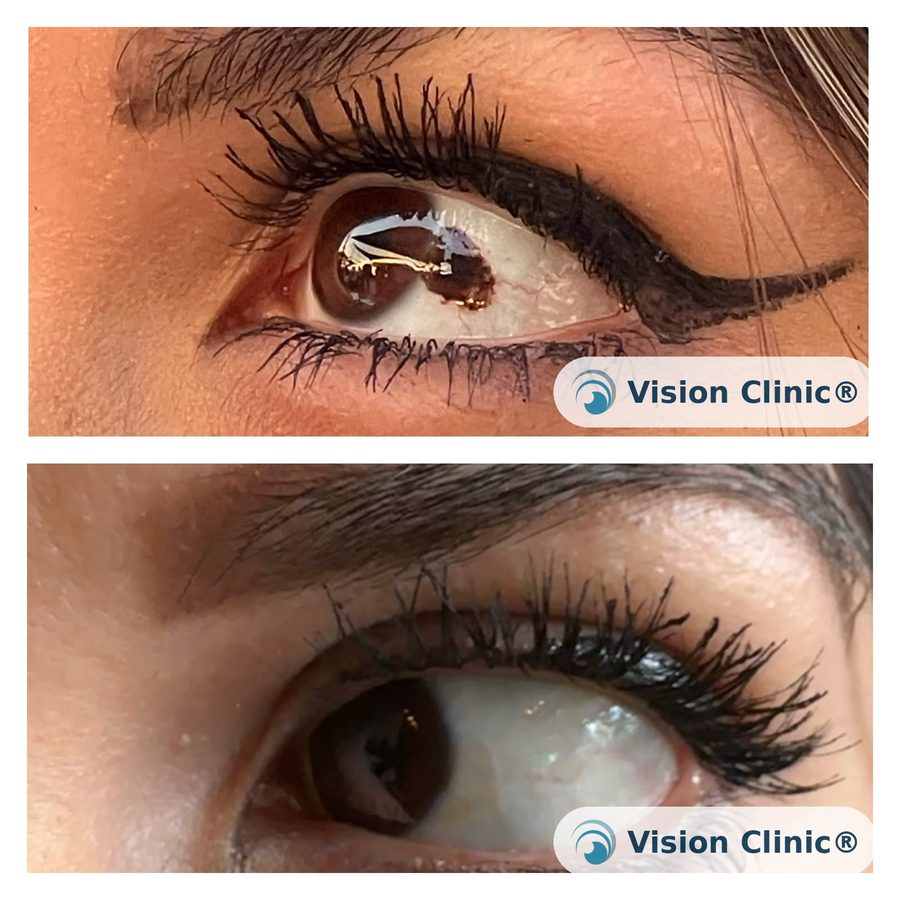
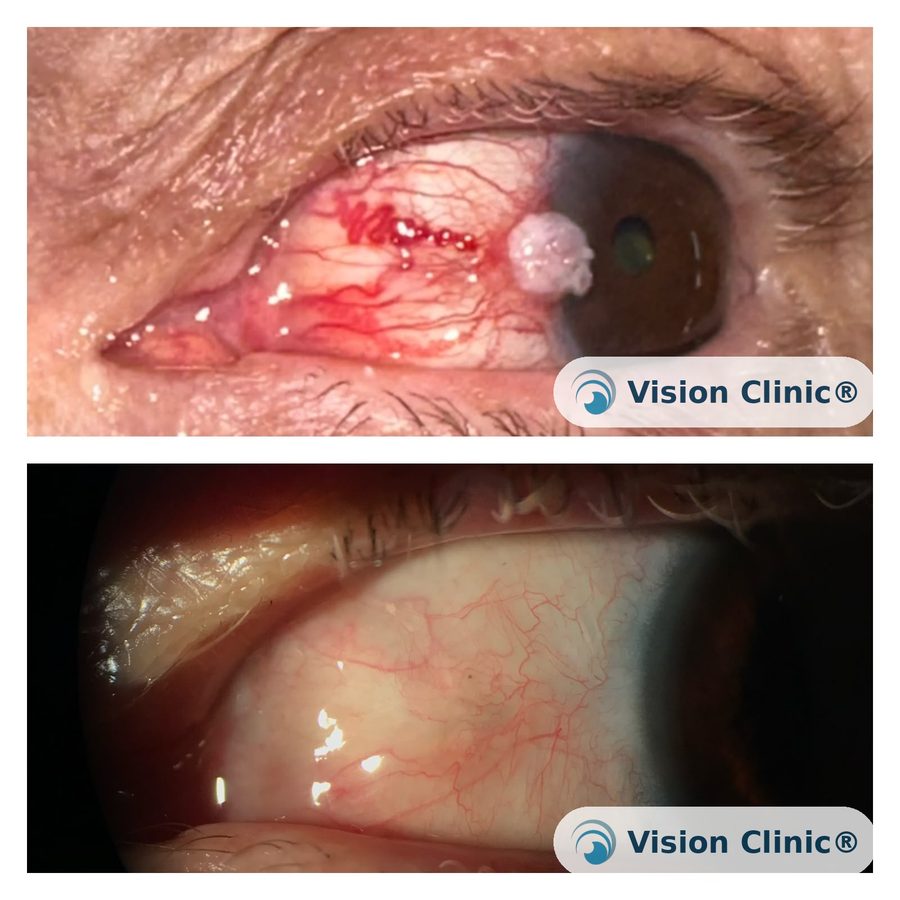
The procedure to remove a conjunctival lesion —benign or suspicious in appearance— is very similar to pterygium surgery: it's outpatient, under local anesthesia, and in most cases the area is covered with a graft of the patient's own conjunctiva. The difference is that the removed tissue is always sent for pathology (biopsy) analysis to determine its nature. Once the results are in, we determine together whether the surgery was sufficient or whether additional management is needed.
Post-surgical care
Care depends on the procedure performed —detailed in each section above—. It's normal to feel a foreign-body sensation, redness, and tearing for the first few days while the eye heals. Antibiotic and anti-inflammatory drops are prescribed for 2–3 weeks, along with frequent lubricant, and you should avoid dust, direct sun, and rubbing the eye. We include, at no cost, the post-surgical kit with your starter treatment drops.
Post-surgical follow-up
Follow-up is always carried out by the same surgeon who performed your surgery, to monitor healing and catch any sign of recurrence early. If a biopsy was taken, the same physician explains the results and defines the plan going forward with you. We include one month of follow-up consultations at no cost.
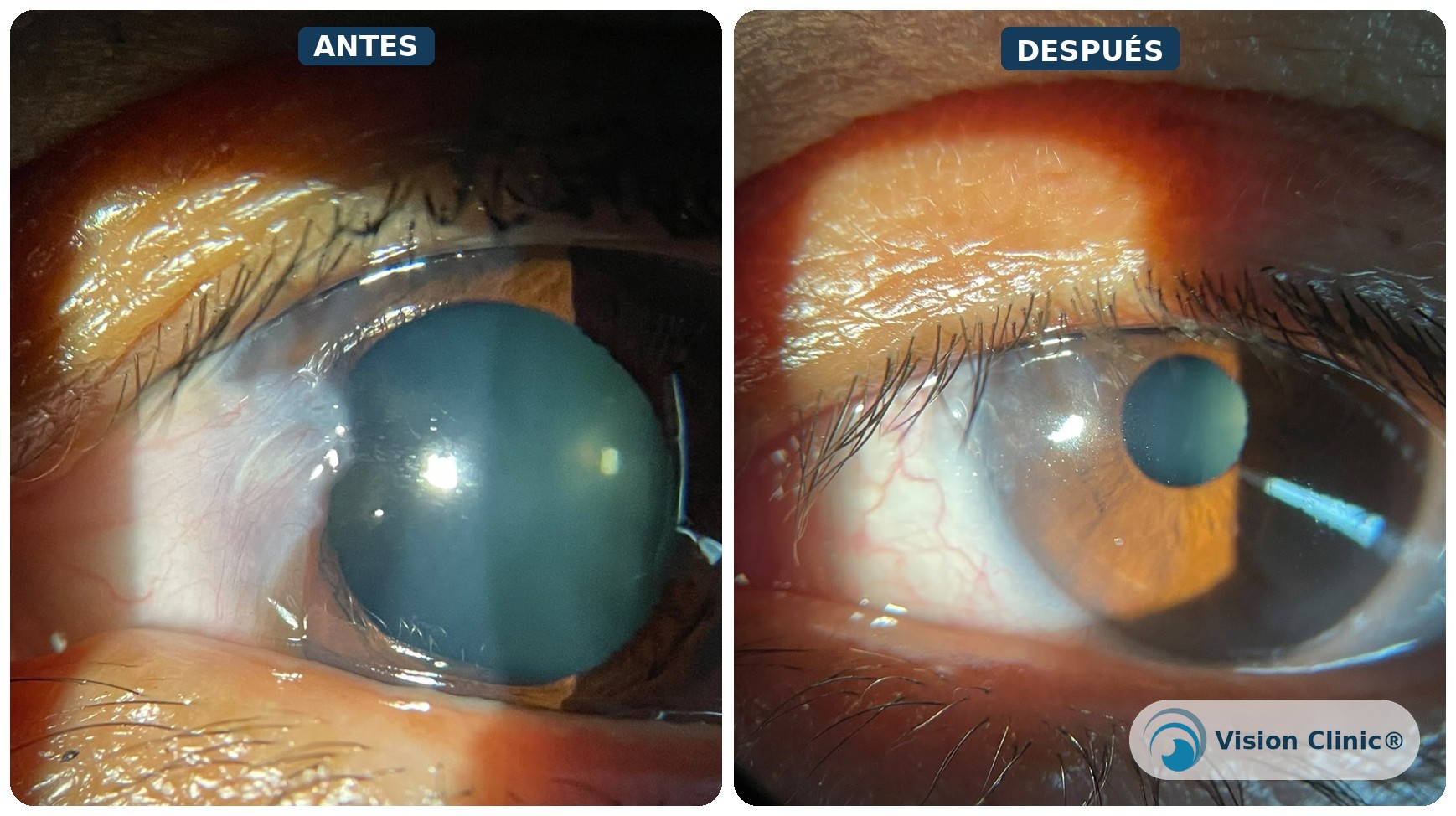
Real results
Real Vision Clinic® patient photos. Results may vary from patient to patient.
What our patients say
Other treatments
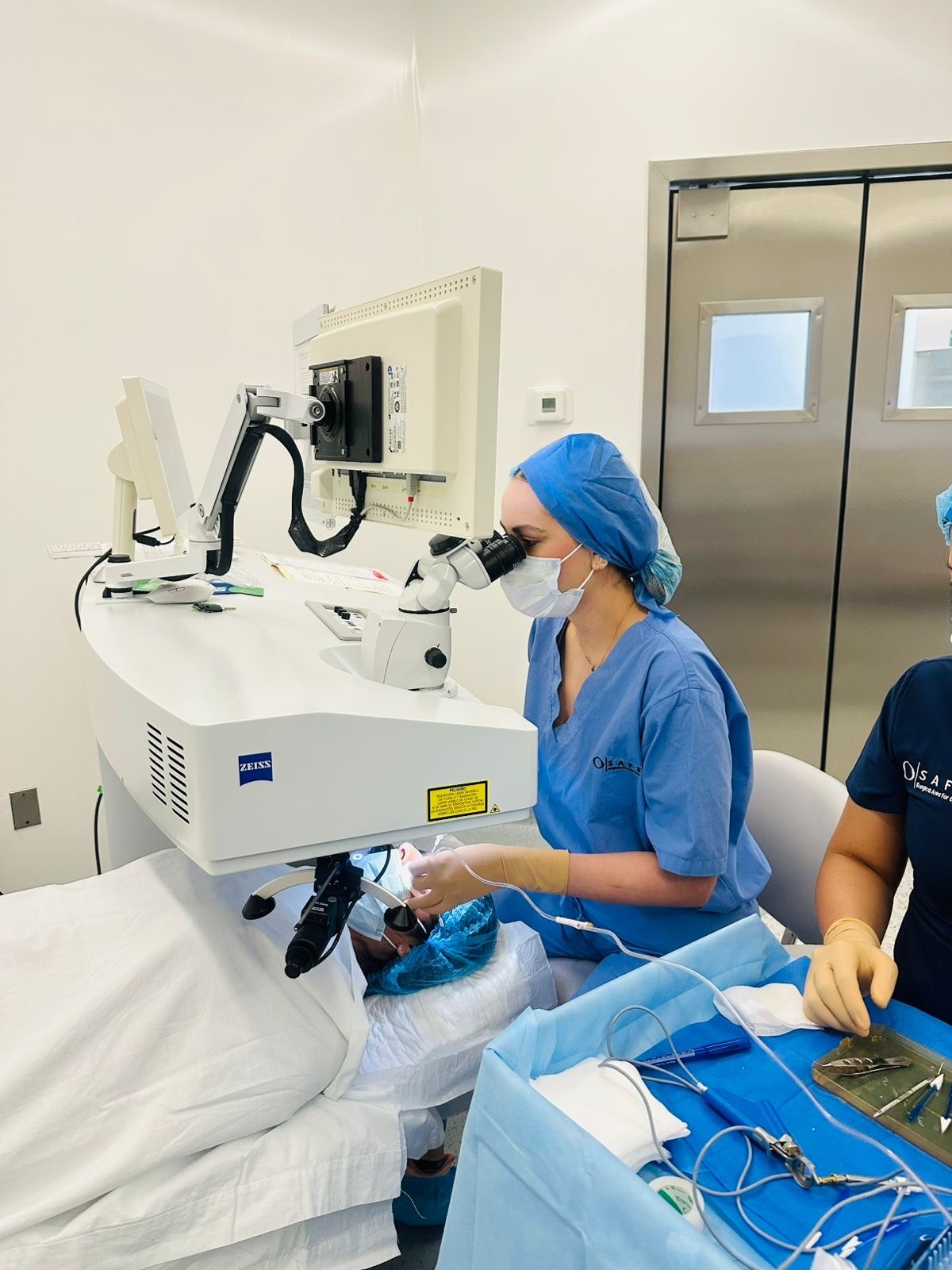
LASIK in Tijuana
Laser refractive surgery to correct nearsightedness, farsightedness and astigmatism.
Learn more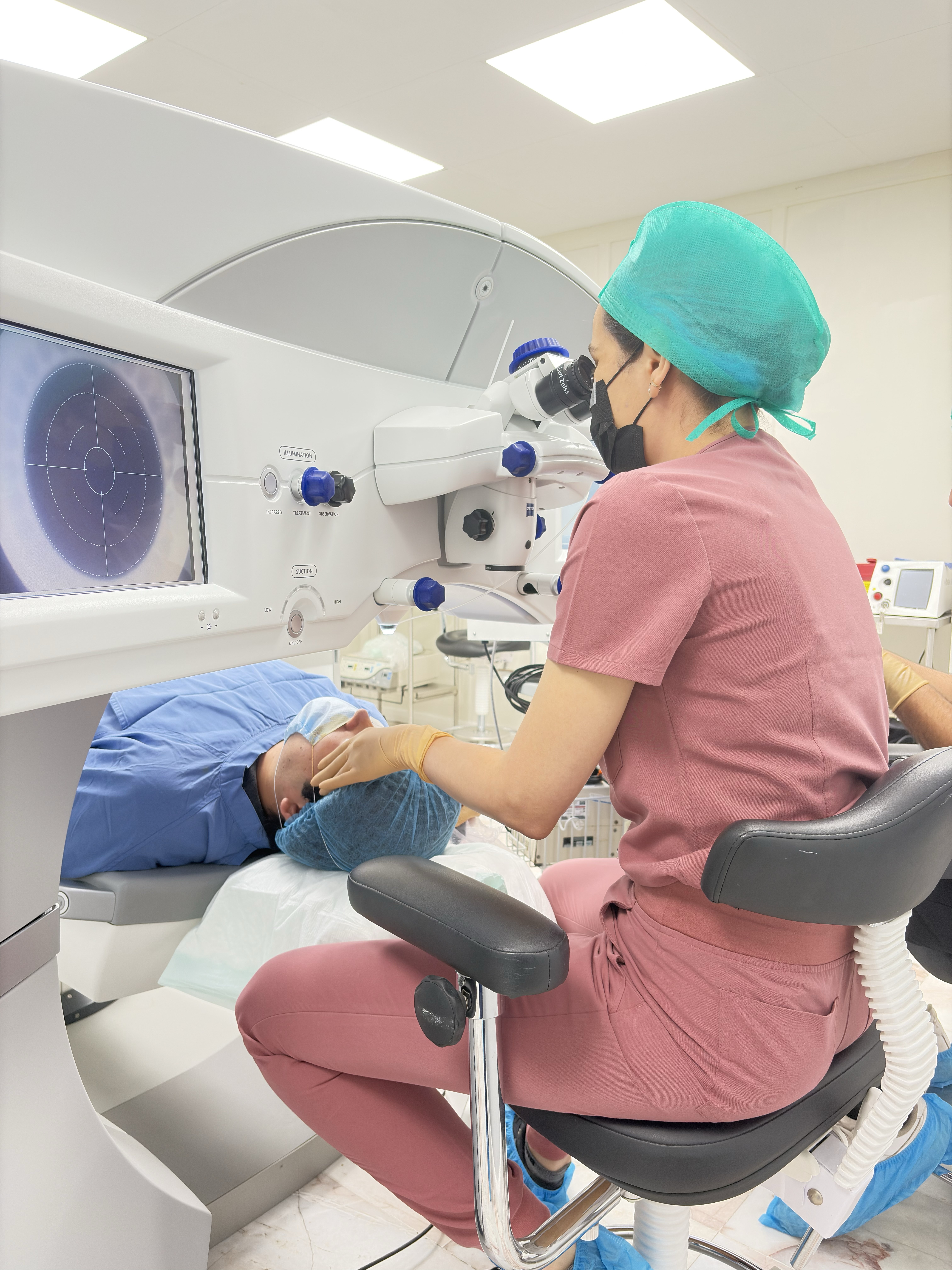
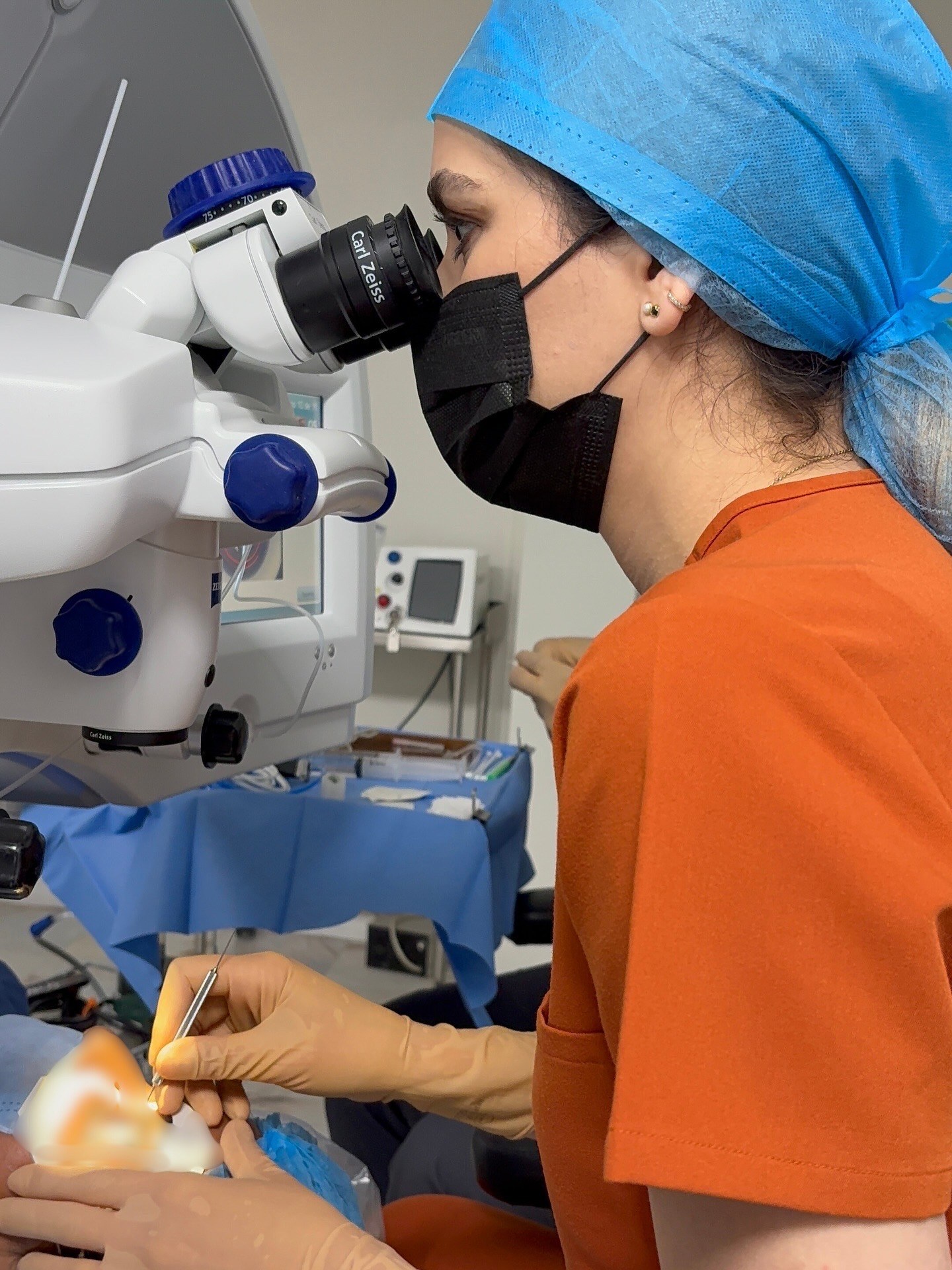
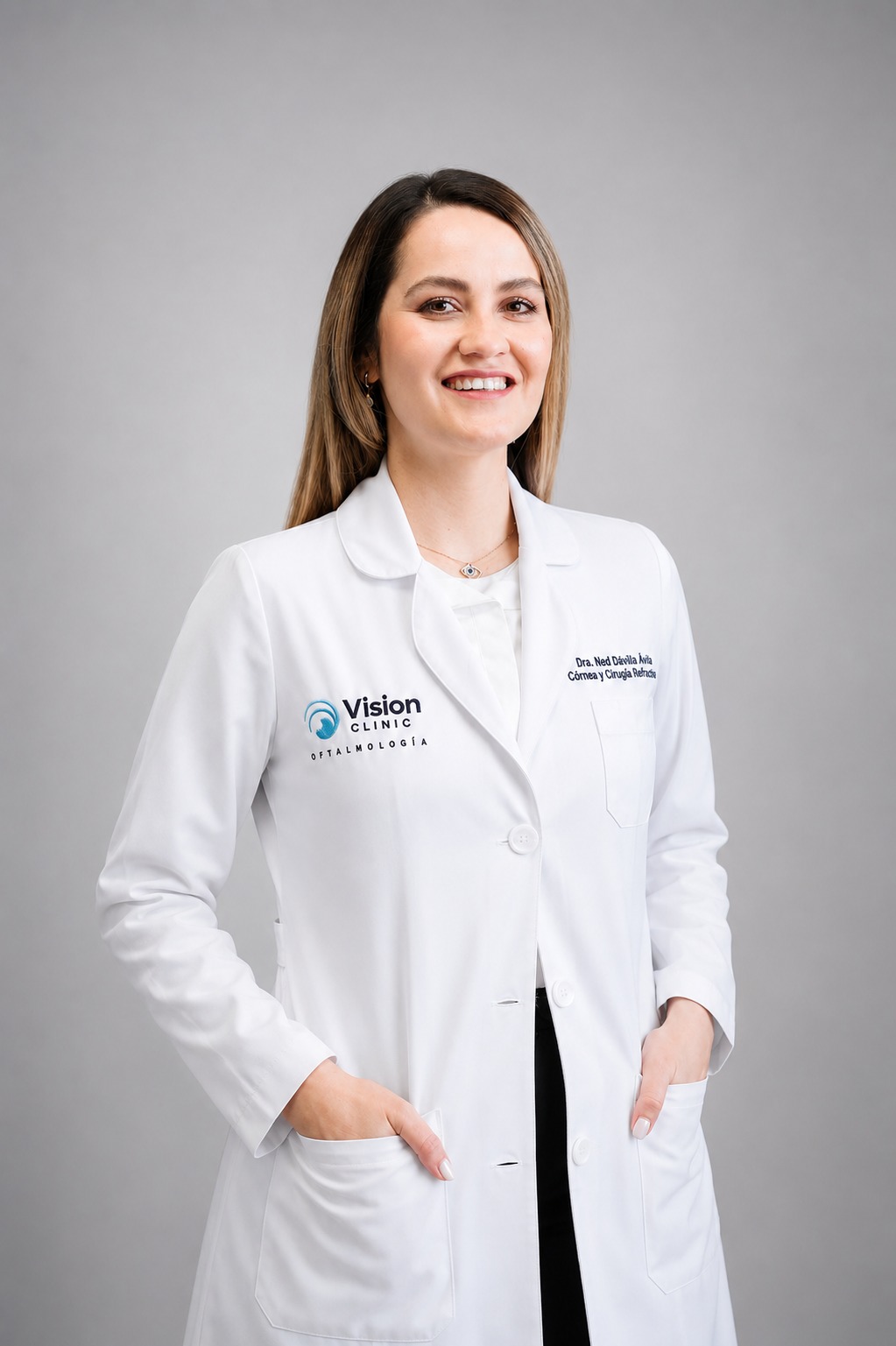
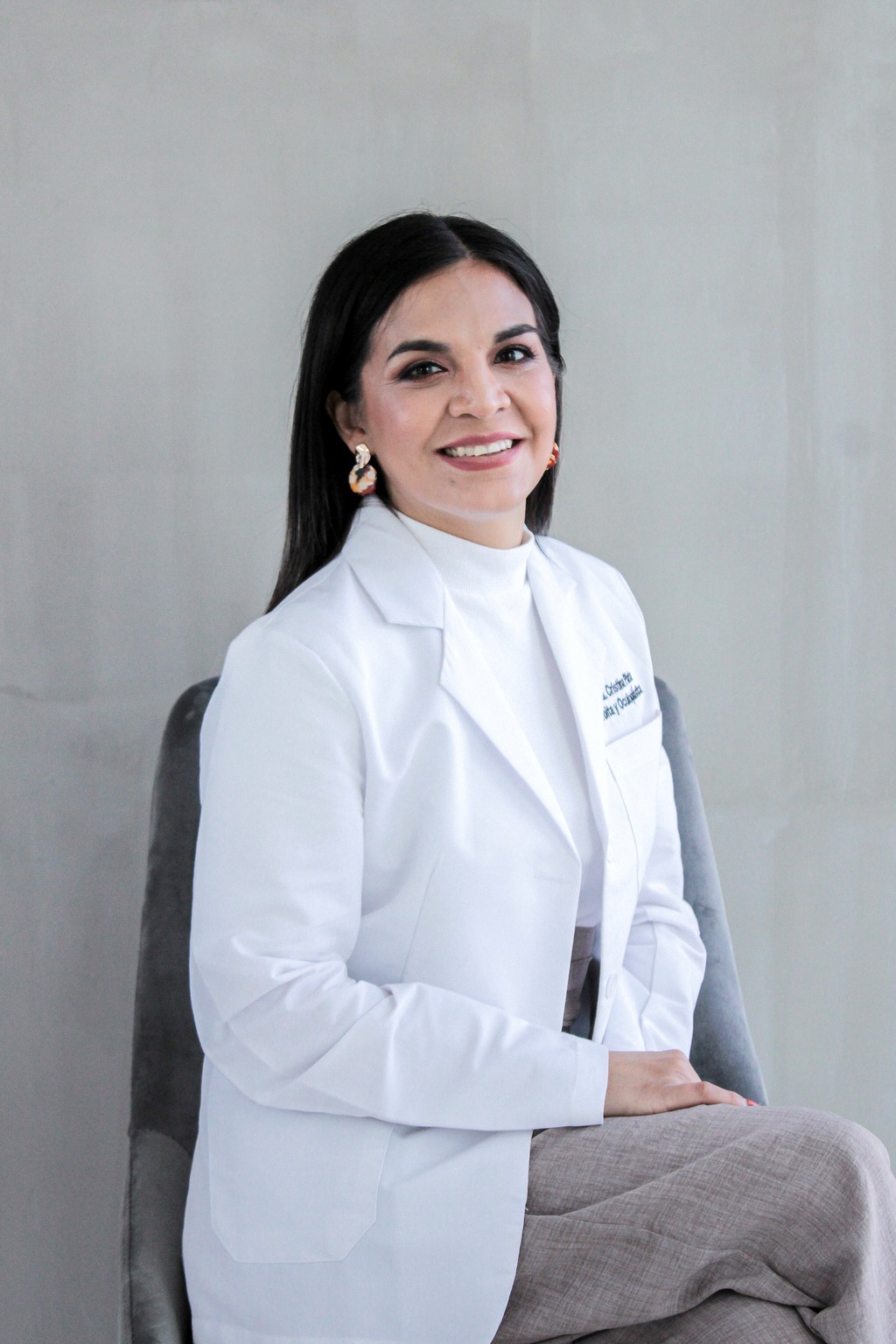
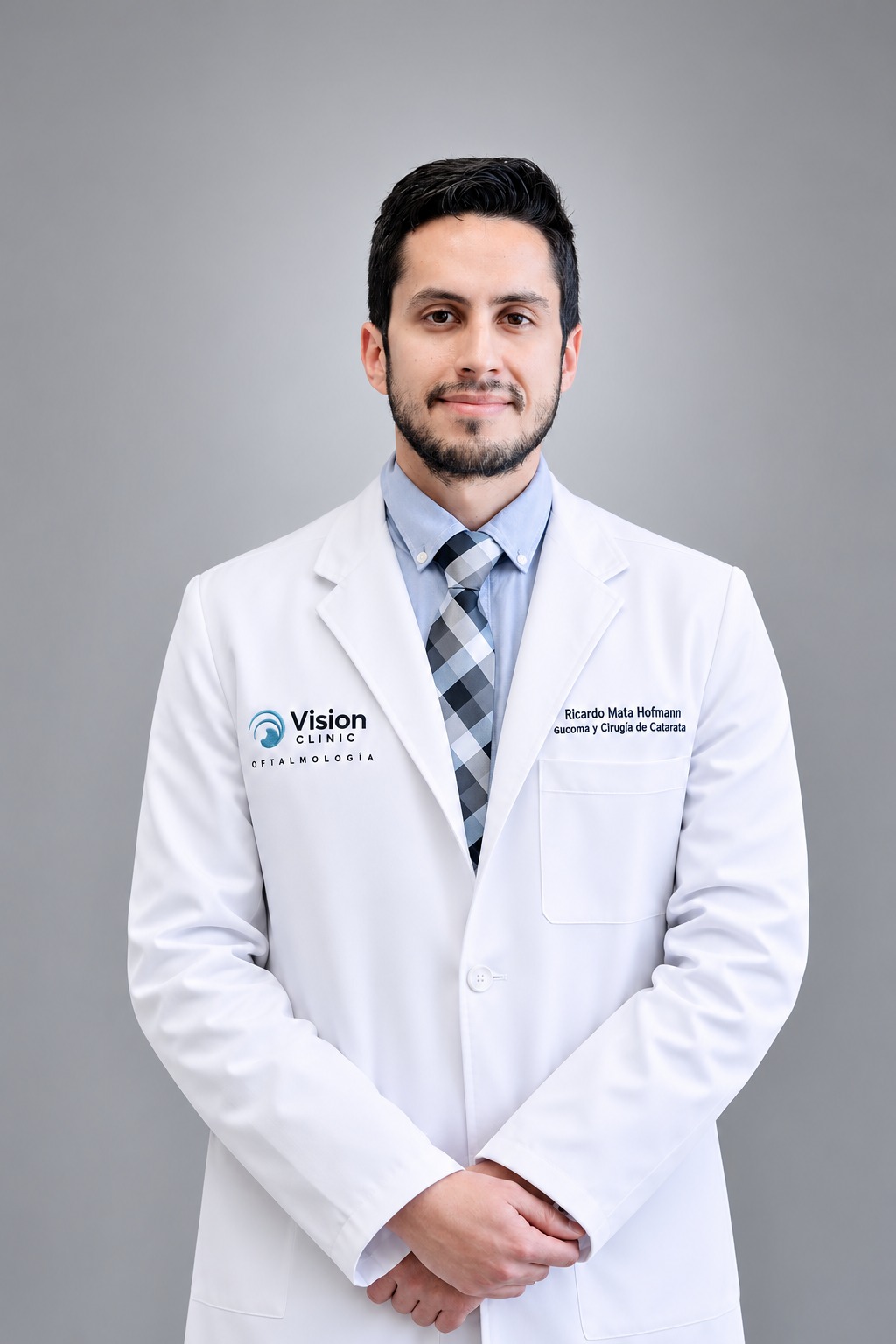
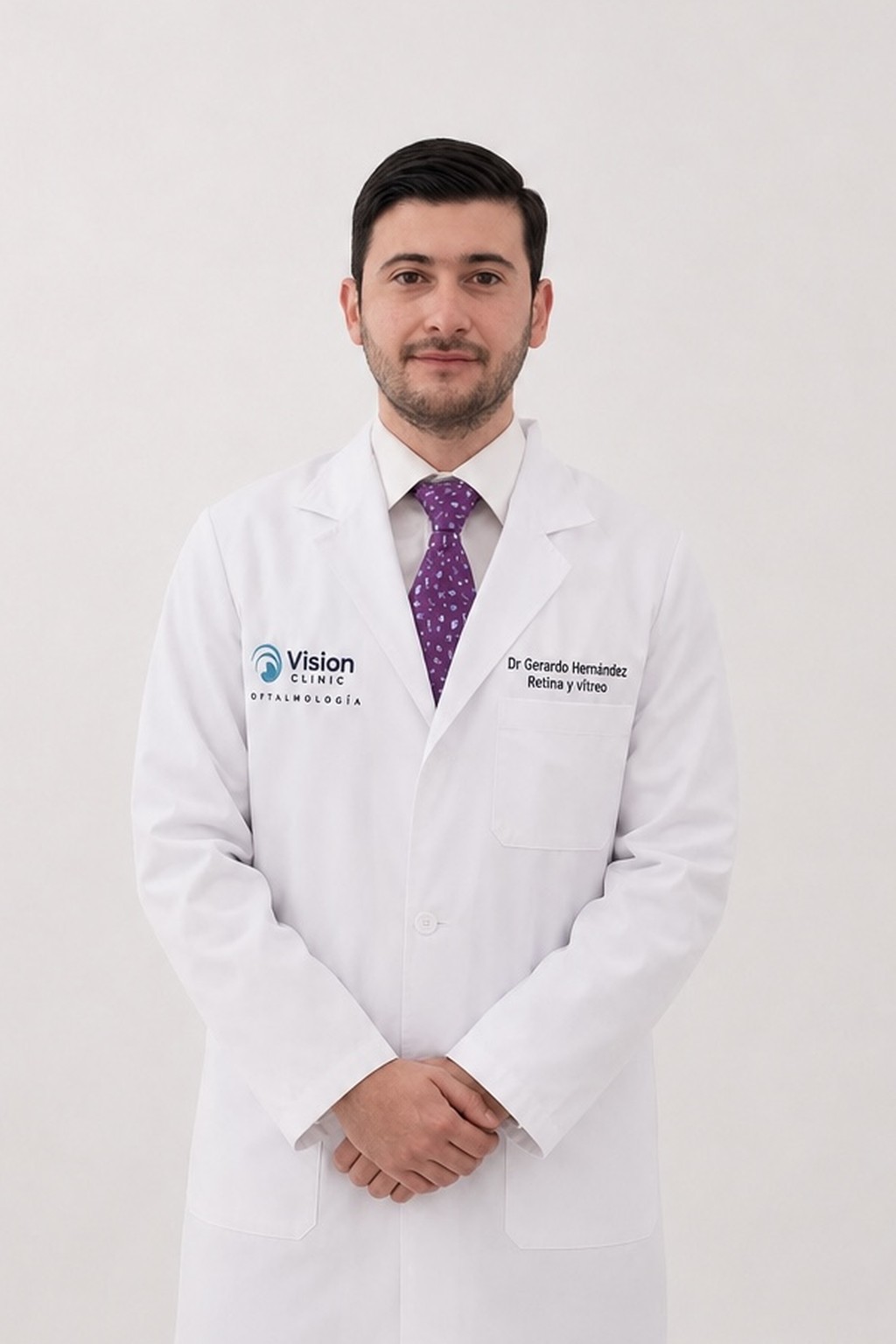
Tijuana's Reference Ophthalmologist Surgeons
Over 5,000 successful eye surgeries and 15,000 patients treated back our team, certified by the Mexican Board of Ophthalmology and each specialized in a different area of the eye.