
PRK
Surface refractive surgery, ideal for thinner corneas.
What sets us apart: Before recommending any technique, we perform a complete corneal evaluation to confirm PRK is the safest option for you — not just the fastest one to offer.
General description
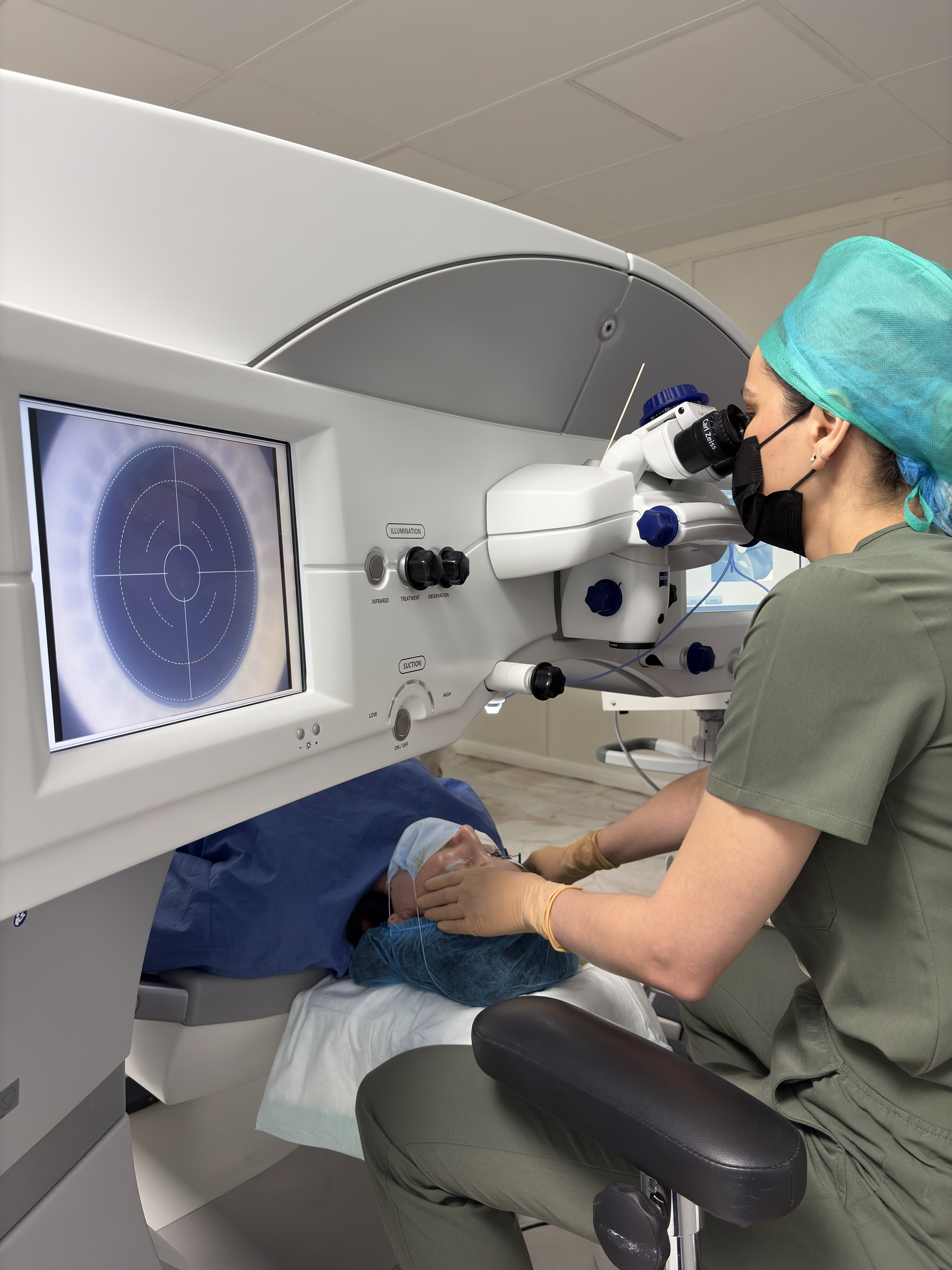
PRK (Photorefractive Keratectomy) was the precursor of laser refractive surgery and remains an excellent option, especially for patients with thinner corneas or certain ocular surface conditions. Instead of creating a flap, the corneal surface is reshaped directly. Visual recovery is somewhat more gradual than with LASIK, but long-term results are comparable and highly predictable.
Here's the process at Vision Clinic
Frequently Asked Questions
How is PRK different from LASIK?
With PRK, no corneal flap is created: the cornea's outermost layer (epithelium) is removed and the surface is reshaped with an excimer laser. The epithelium regenerates naturally over the following days.
Who is PRK surgery ideal for?
It's an excellent option for patients with thinner corneas or certain ocular surface conditions that aren't ideal for LASIK. Long-term results are comparable and highly predictable.
Is PRK recovery longer than LASIK?
Yes, it's a bit more gradual. It's normal to feel discomfort, light sensitivity, and blurry vision during the first few days while the epithelium heals.
What care do I need in the first days after PRK?
A temporary bandage contact lens is placed and removed 4 to 7 days later, along with antibiotic and anti-inflammatory drops and frequent lubricant. We include, at no cost, the post-surgical kit with your starter drops.
Who provides follow-up after PRK surgery?
The same surgeon who performed the procedure monitors your healing, with one month of follow-up consultations included at no cost.
Related articles
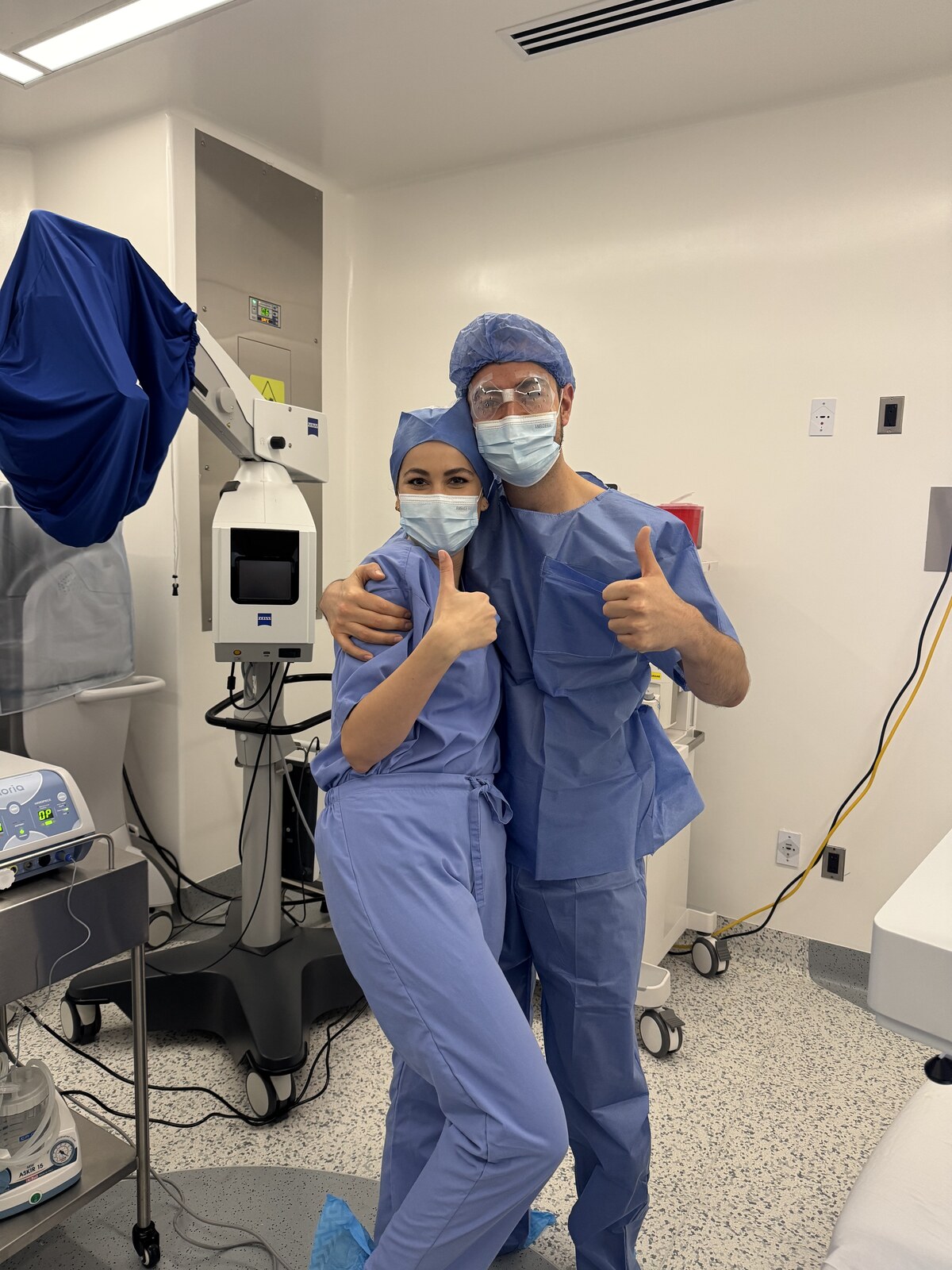
LASIK, SMILE or PRK in Tijuana: which is the best option for you?
We compare the main refractive surgery techniques in Tijuana and how we choose the right one for each patient.
Learn more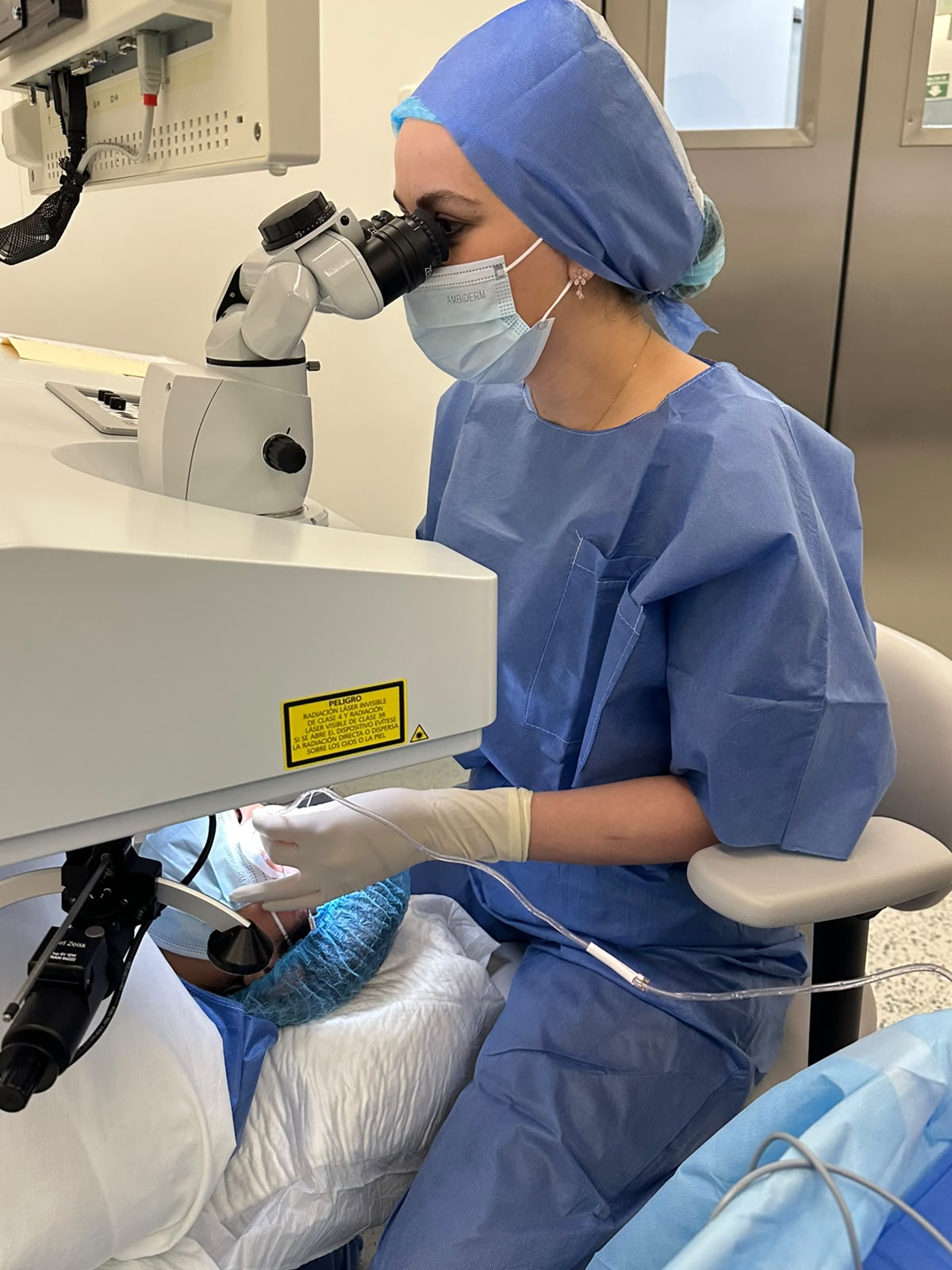
PRK Surgery in Tijuana: step by step, and who it's best for
PRK remains the best option for many patients, especially those with thinner corneas. Here's how the process works at Vision Clinic.
Learn moreWhat our patients say
Other treatments
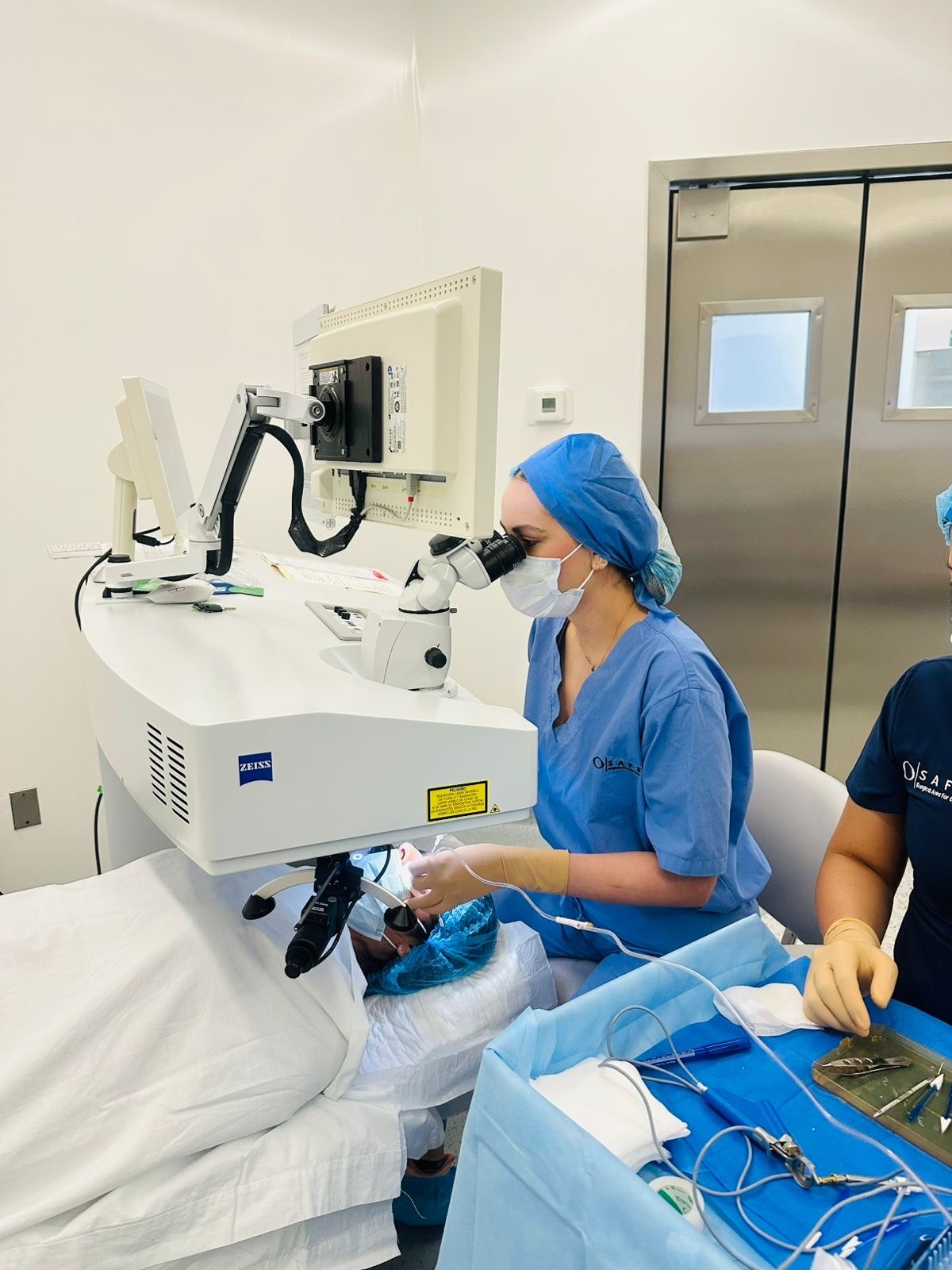
LASIK in Tijuana
Laser refractive surgery to correct nearsightedness, farsightedness and astigmatism.
Learn more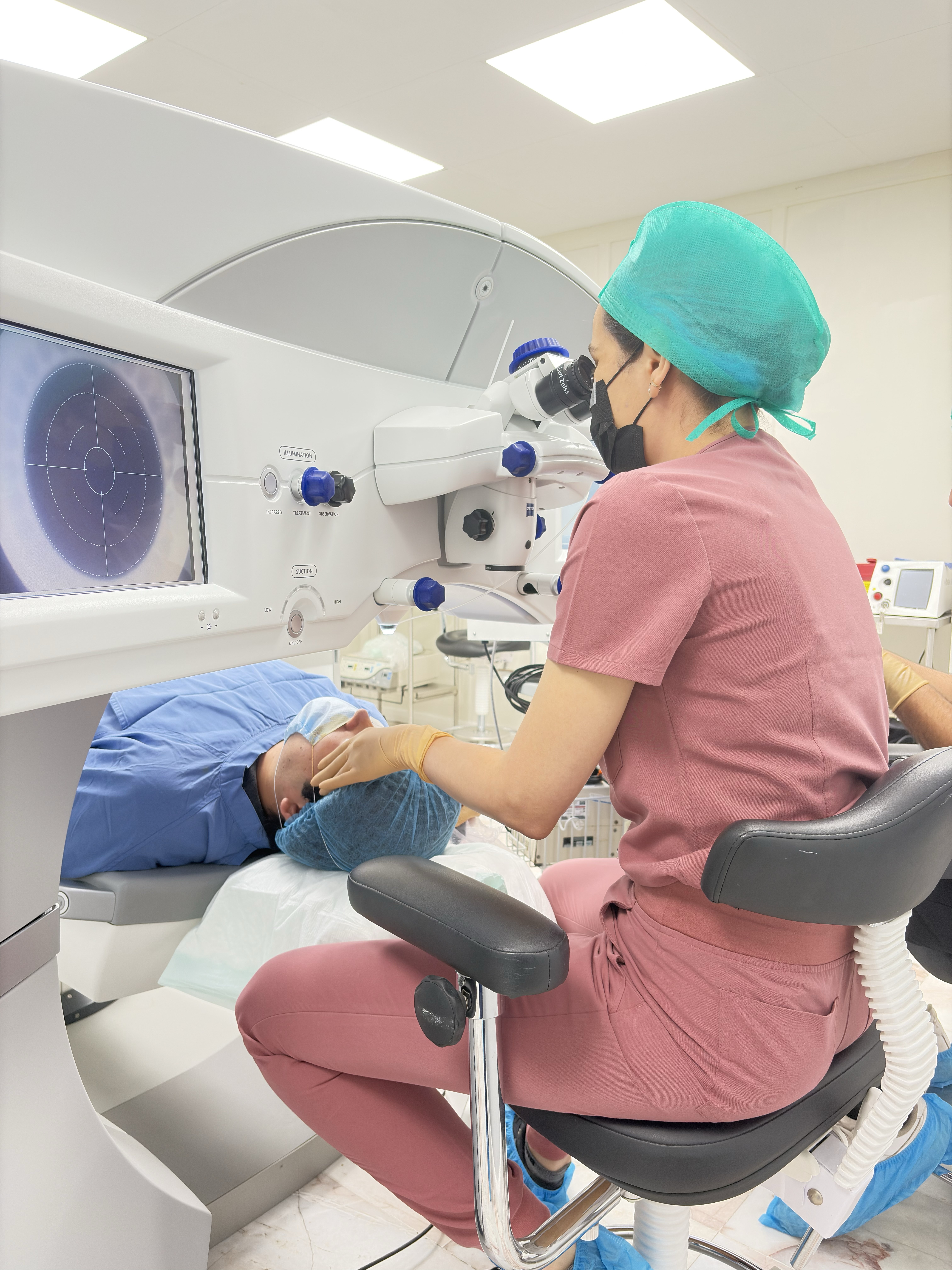


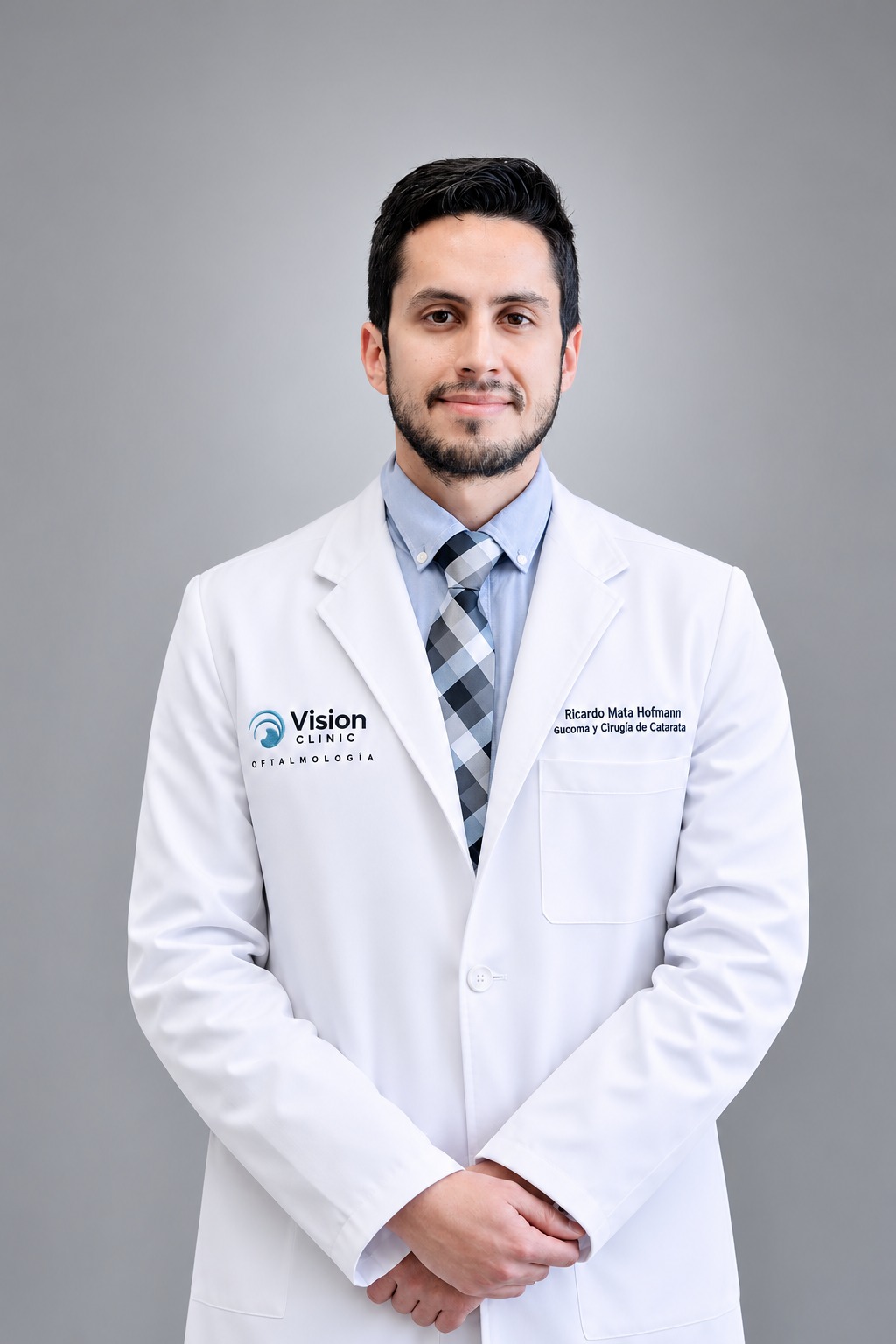
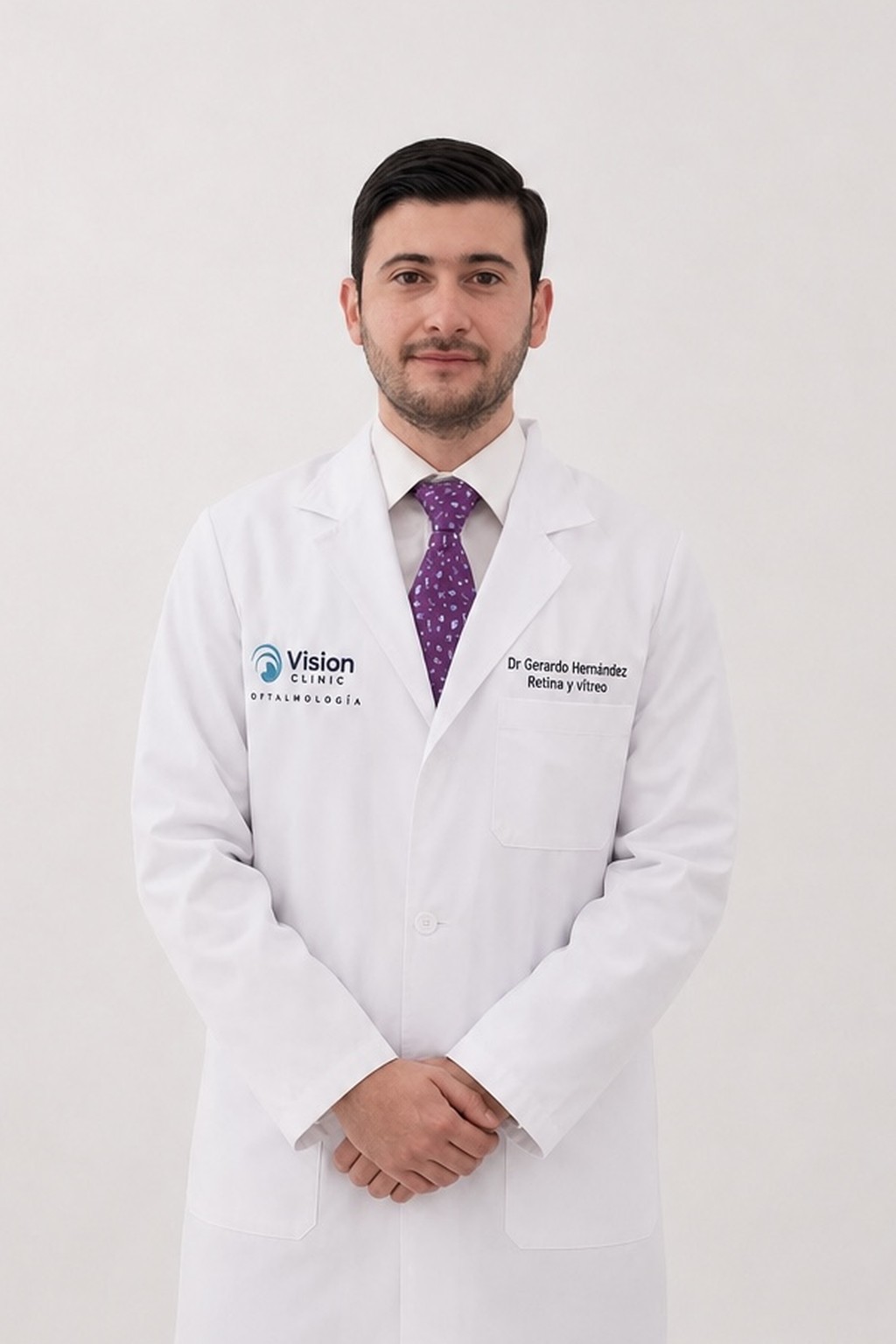
Tijuana's Reference Ophthalmologist Surgeons
Over 5,000 successful eye surgeries and 15,000 patients treated back our team, certified by the Mexican Board of Ophthalmology and each specialized in a different area of the eye.