
LASIK in Tijuana
Laser refractive surgery to correct nearsightedness, farsightedness and astigmatism.
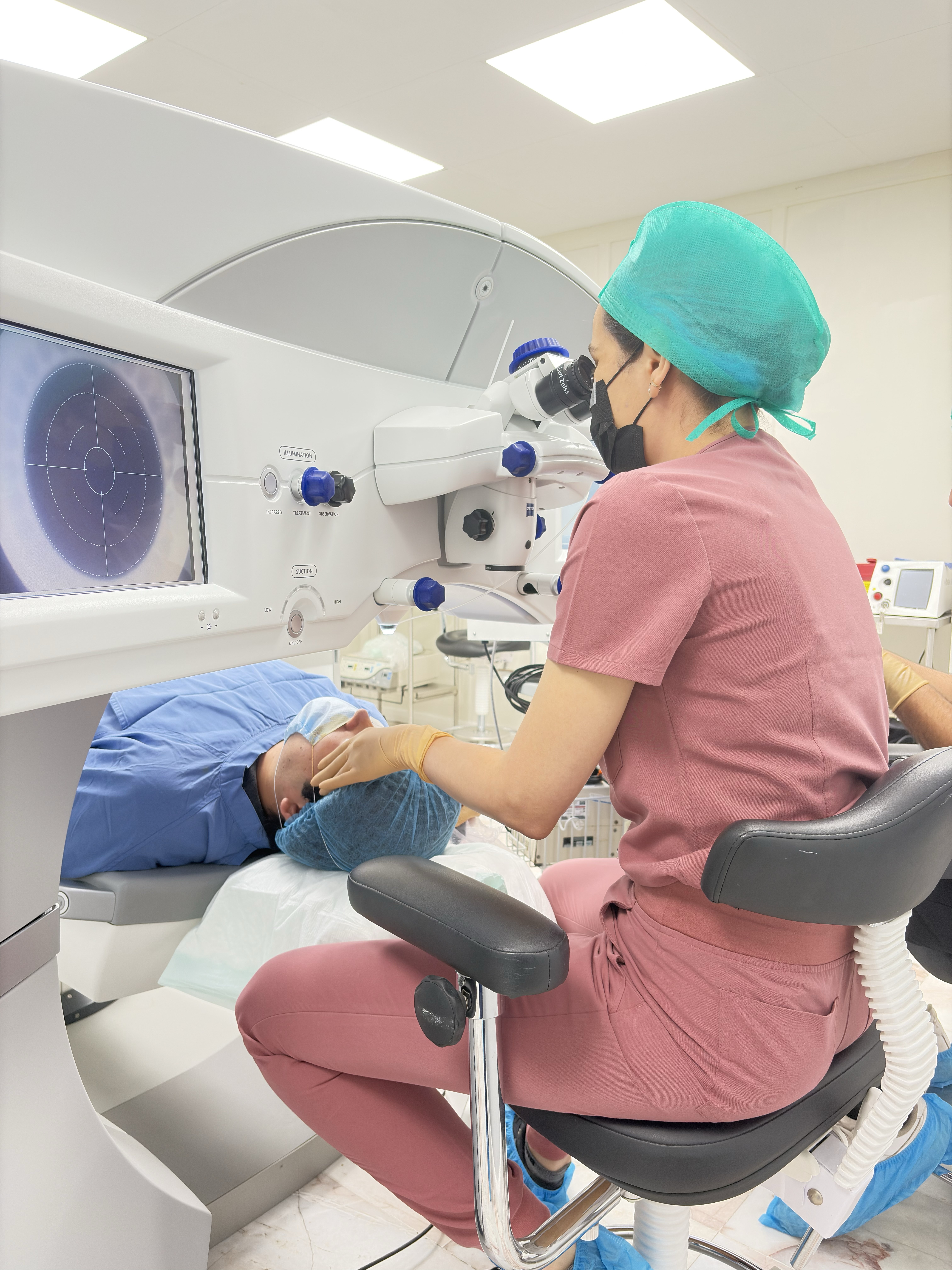
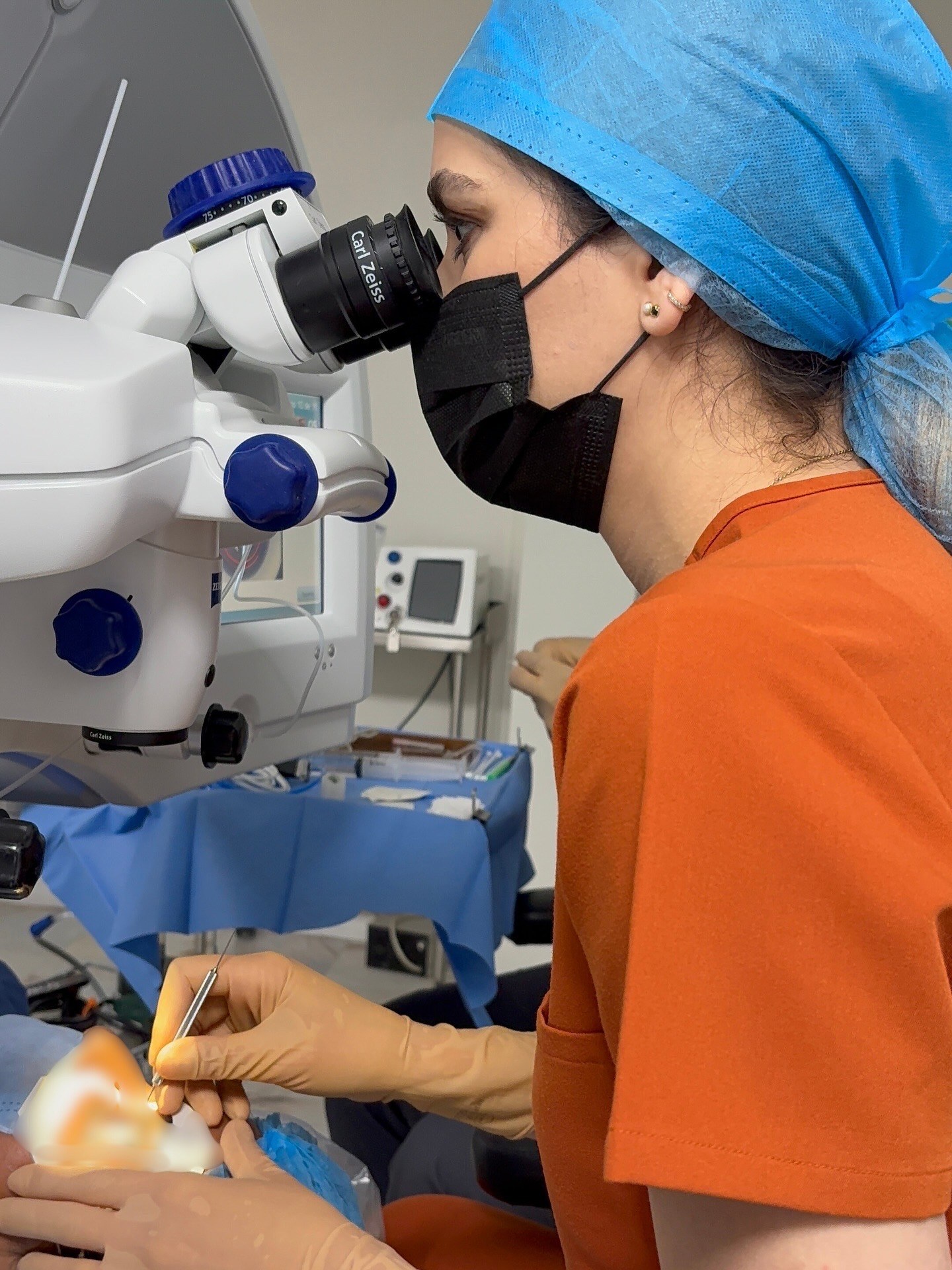
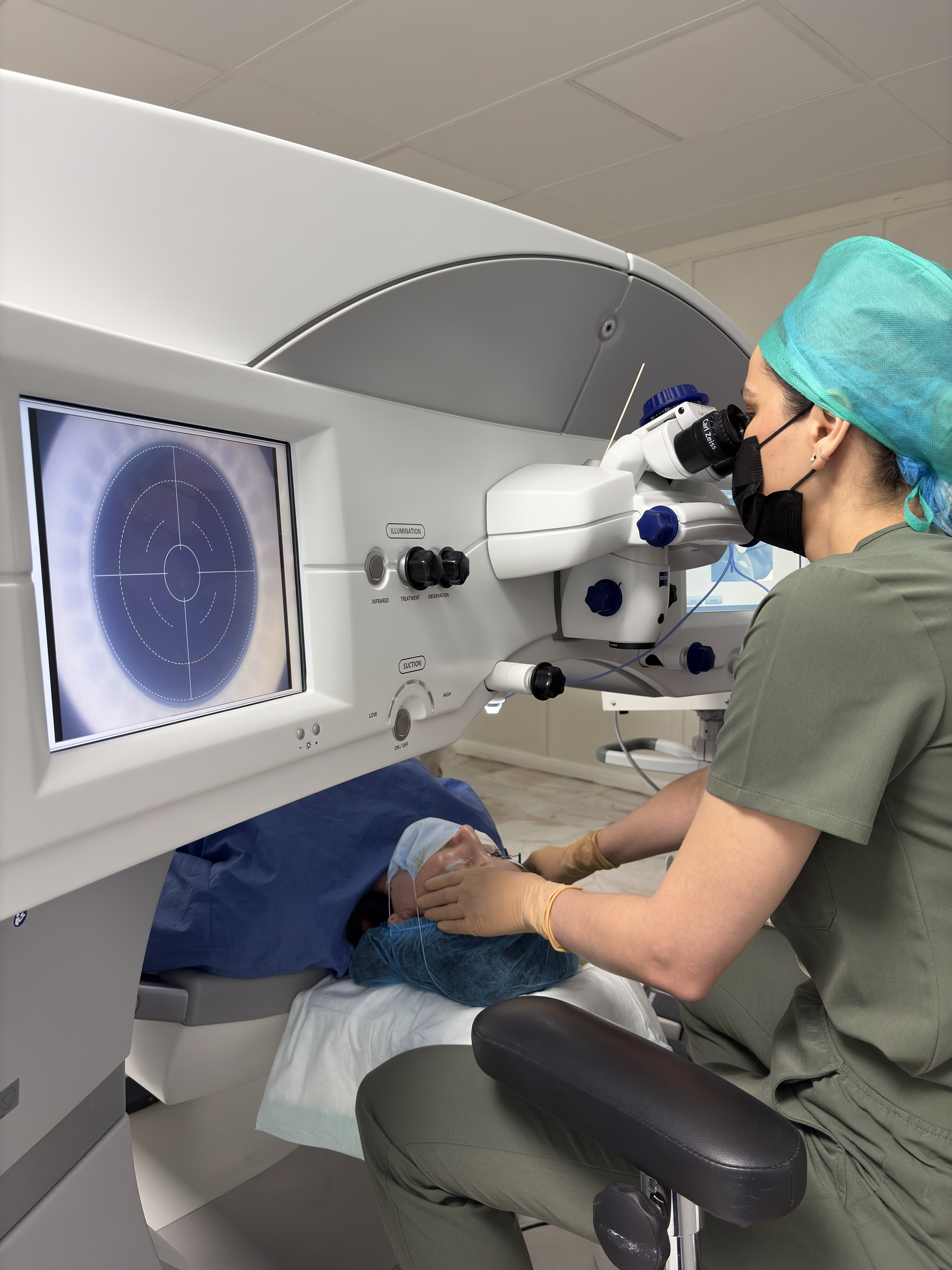
What sets us apart: The advantage of being evaluated by Dr. Ned Davila Avila —an ophthalmologist specializing in cornea and laser refractive surgery— is that the same specialist who determines whether you're a candidate for surgery is the one who performs it and follows up on your recovery: a more precise diagnosis and real continuity of care, not an assistant or a generic form. Your LASIK is performed with the Carl Zeiss MEL 90 excimer laser together with the VisuMax —the same femtosecond laser for which Dr. Ned Davila holds Carl Zeiss Mexico certification, also used in SMILE— for a more precise, predictable ablation profile.
General description
LASIK (Laser-Assisted In Situ Keratomileusis) is one of the most widely performed refractive procedures in the world. It reshapes the cornea with the Carl Zeiss MEL 90 excimer laser, a high-precision platform, to correct nearsightedness, farsightedness and astigmatism, reducing or eliminating dependence on glasses or contact lenses. The procedure is outpatient, painless, and visual recovery is typically fast. Before surgery we perform a comprehensive corneal evaluation to confirm each patient is a safe candidate.
Here's the process at Vision Clinic
Testimonials from our LASIK patients
“I cannot say enough wonderful things about my experience with Dr. Ned Davila Avila and her amazing team! Being able to see clearly again without glasses or contacts is truly life-changing. From the moment I walked in, the entire staff was incredibly kind, attentive, and professional, and the level of care exceeded my expectations. I highly recommend Dr. Davila Avila to anyone considering vision correction.”
“I had a wonderful LASIK experience! I contacted the clinic through WhatsApp beforehand and had all my questions answered. On the first day I had a thorough eye exam and the doctor confirmed I was a suitable candidate, explaining every step, the risks, and what to expect. With the numbing drops I felt no pain, just a few seconds of pressure in each eye. The procedure was incredibly quick and much easier than I expected. I highly recommend this doctor and his team.”
Are you a candidate for LASIK?
This can only be confirmed with a full evaluation, but it's a good sign if any of this sounds like you:
You wear glasses or contact lenses and want to stop depending on them.
Your prescription has stayed stable for at least the past year.
You want an alternative to contact lenses for comfort or lifestyle reasons.
You already had an evaluation elsewhere and want a second opinion from a cornea surgeon.
You're not sure if you're a candidate for LASIK, PRK, or SMILE — I'll help you decide based on your exam.
You want to find out if you're a candidate without multiple appointments: corneal topography is done same-day, right here.
LASIK vs. PRK vs. SMILE: what's the difference?
All three are laser refractive surgeries that correct nearsightedness, farsightedness, and astigmatism, but they differ in technique and in which corneas are ideal candidates. Which option is best for you is confirmed with your corneal topography, not decided beforehand.
| LASIK | PRK | SMILE | |
|---|---|---|---|
| How it works | A corneal flap is created and the inner tissue is reshaped with an excimer laser. | The epithelium (outermost layer) is removed and the surface is reshaped with an excimer laser, with no flap. | A small lenticule of corneal tissue is removed through a tiny 2-4 mm incision, with no flap. |
| Ideal for | Corneas with adequate thickness, looking for fast visual recovery. | Thinner corneas or certain ocular surface conditions. | Active lifestyles or corneas that call for a more conservative approach. |
| Visual recovery | Fast: noticeable improvement within the first 24 hours. | More gradual: days of light sensitivity and blurry vision while the epithelium heals. | Fast, with greater corneal surface stability from the start since there's no flap. |
| Procedure length | ~5 minutes per eye. | ~5 minutes per eye. | ~5 minutes per eye. |
We don't choose the technique before examining you: your corneal topography and tomography confirm which option is safest and most appropriate for your eyes.
Procedure videos with Dr. Ned Davila
Flap creation
Real-time surgery
Post-op recovery
Explained in English
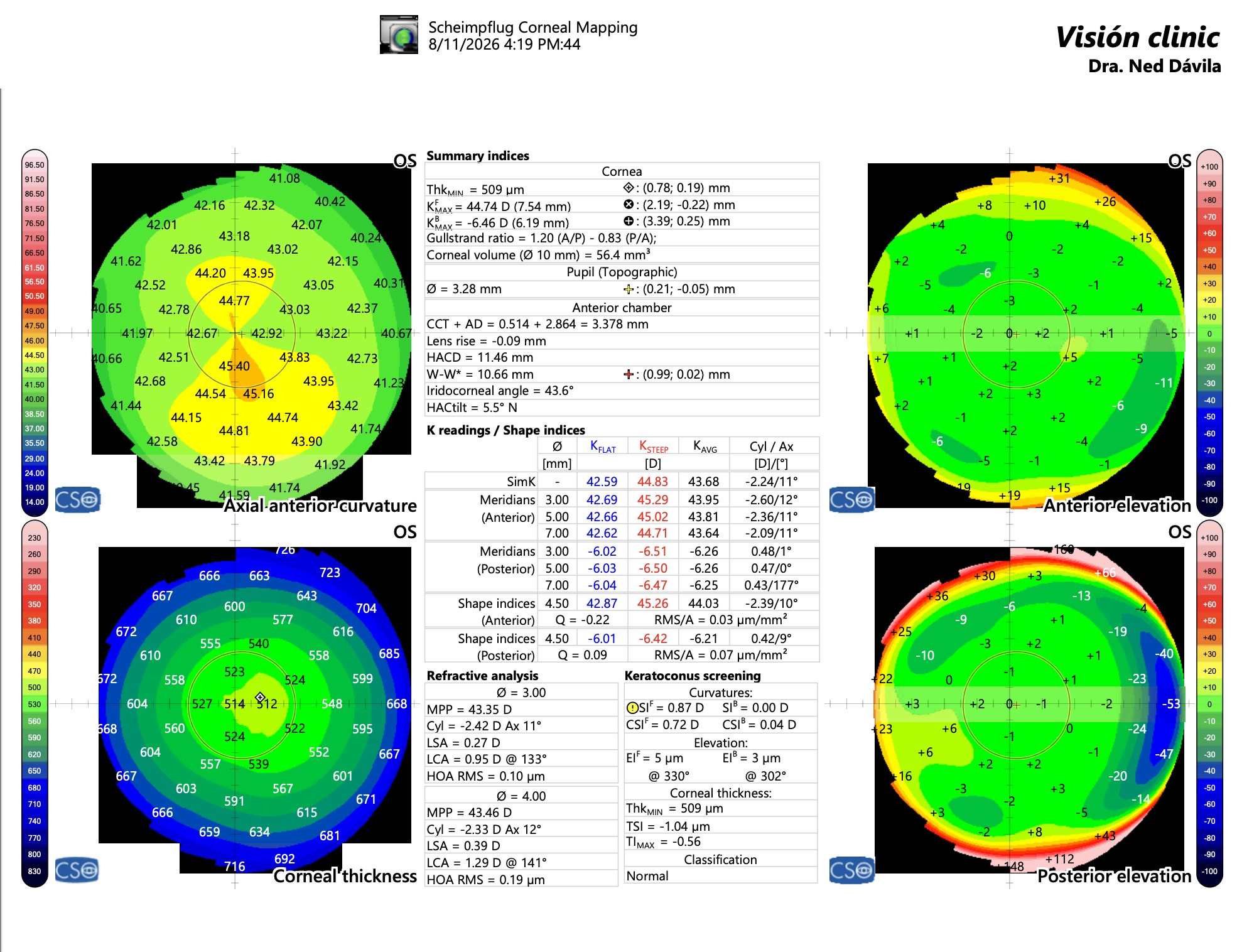
Corneal topography: making sure your cornea is healthy
Before any refractive surgery, we perform a corneal topography where we make sure your cornea is healthy — it's literally where the surgery takes place, so confirming its shape, thickness, and health is the most important step in knowing whether you're a candidate and which technique (LASIK, PRK, or SMILE) will give you the best result. We have this available right here at Vision Clinic with the Sirius Plus system, and it can be done the same day as your consultation.
Frequently Asked Questions
Am I a candidate for LASIK?
Before surgery we perform a comprehensive corneal evaluation (topography and tomography) to confirm you're a safe candidate. Factors like corneal thickness, a stable prescription, and overall eye health determine candidacy, which is assessed at your initial consultation.
Does LASIK surgery hurt?
No. It's performed using only anesthetic eye drops, with no needles or sedation, and is virtually painless. The procedure takes ~5 minutes per eye.
How long is LASIK recovery?
It's an outpatient surgery and you go home the same day. Most patients notice a marked improvement in vision within the first 24 hours.
Who provides follow-up care after LASIK?
Post-operative follow-up is always carried out by the same surgeon who performed your procedure. Vision Clinic includes one month of follow-up consultations at no extra cost.
What's included in the LASIK post-surgical kit?
Vision Clinic includes, at no extra cost, a kit with antibiotic, anti-inflammatory, and lubricating eye drops to start your recovery as soon as you leave the clinic.
Does Vision Clinic treat patients traveling from the United States?
Yes. Vision Clinic is located in Tijuana, minutes from the San Diego border, and offers bilingual care (Spanish/English) with full support for international patients.
What prescription range can LASIK correct?
LASIK corrects a wide range of nearsightedness, farsightedness, and astigmatism. When the prescription is very high or the cornea is thinner than recommended for LASIK, techniques like PRK or the ICL lens may be a better option — that's why prior corneal topography and tomography, not just your prescription, determine the ideal technique for your case.
At what age can I get LASIK?
It's generally recommended from age 18–21, and only once your prescription has remained stable for at least a year. There's no fixed upper age limit — what matters is your corneal health and prescription stability, which we confirm at your initial evaluation.
I have dry eye — can I still get LASIK?
It depends on the severity. Mild to moderate dry eye can often be treated before surgery to get the ocular surface in optimal condition; severe dry eye can be a contraindication for LASIK, in which case techniques like PRK or ICL may be more appropriate. This is assessed in detail at your initial consultation.
Is the result of LASIK permanent?
The correction LASIK makes to the cornea is permanent. However, the eye continues to age over time: it's normal for presbyopia (age-related difficulty focusing up close) to appear after age 40–45, independent of having had surgery, and it can be addressed separately if it comes up.
How do I choose between LASIK, PRK, and SMILE?
The choice depends mainly on your cornea's thickness and shape, your prescription, and your lifestyle (for example, contact sports). It's not a decision you should make alone by comparing techniques online: corneal topography objectively tells us which option is best for you, and I explain it to you personally at your consultation.
Related articles
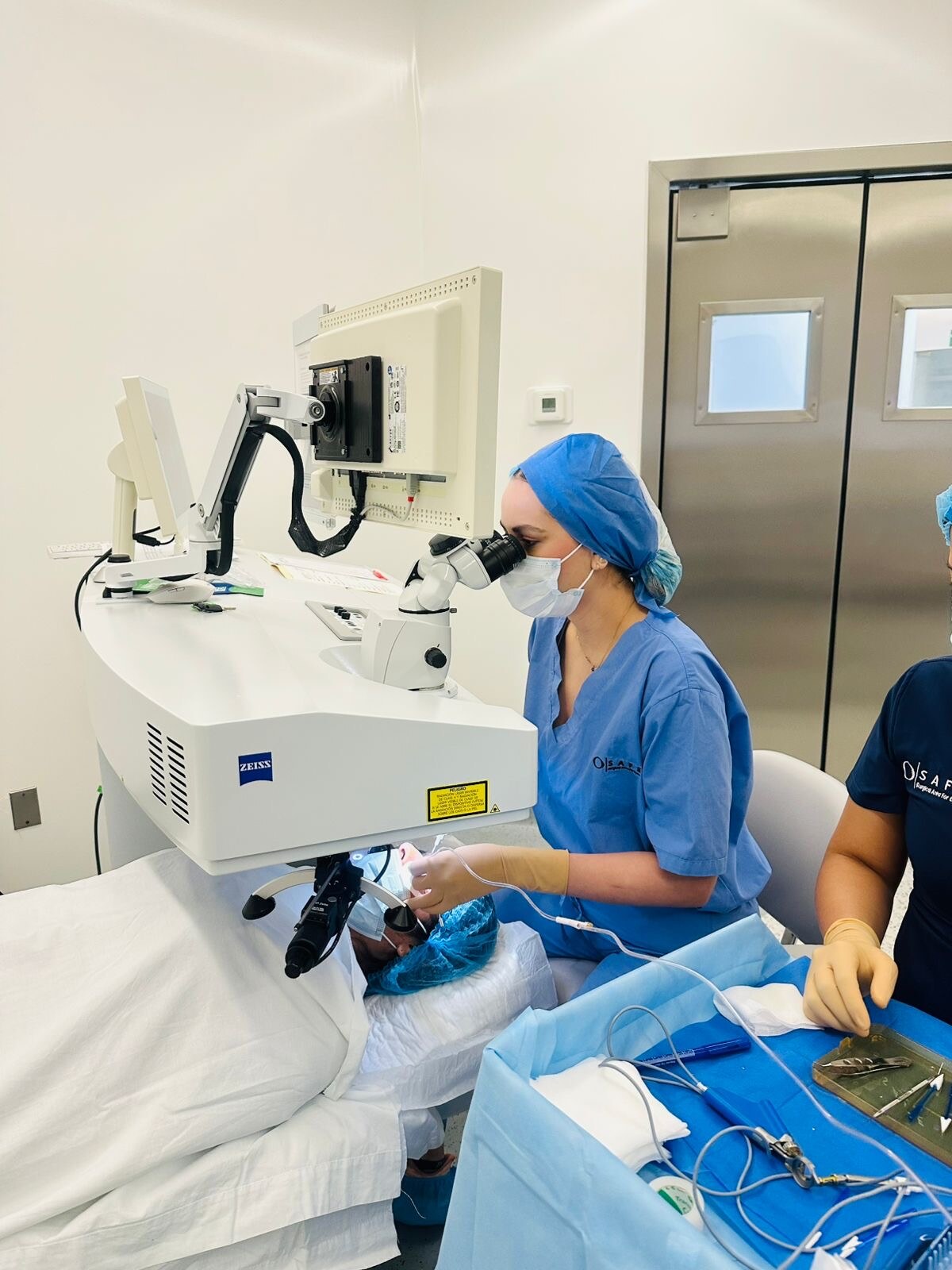
LASIK in Tijuana: what it is and how to know if you're a candidate
Everything you should know before LASIK surgery: candidacy, process and recovery.
Learn more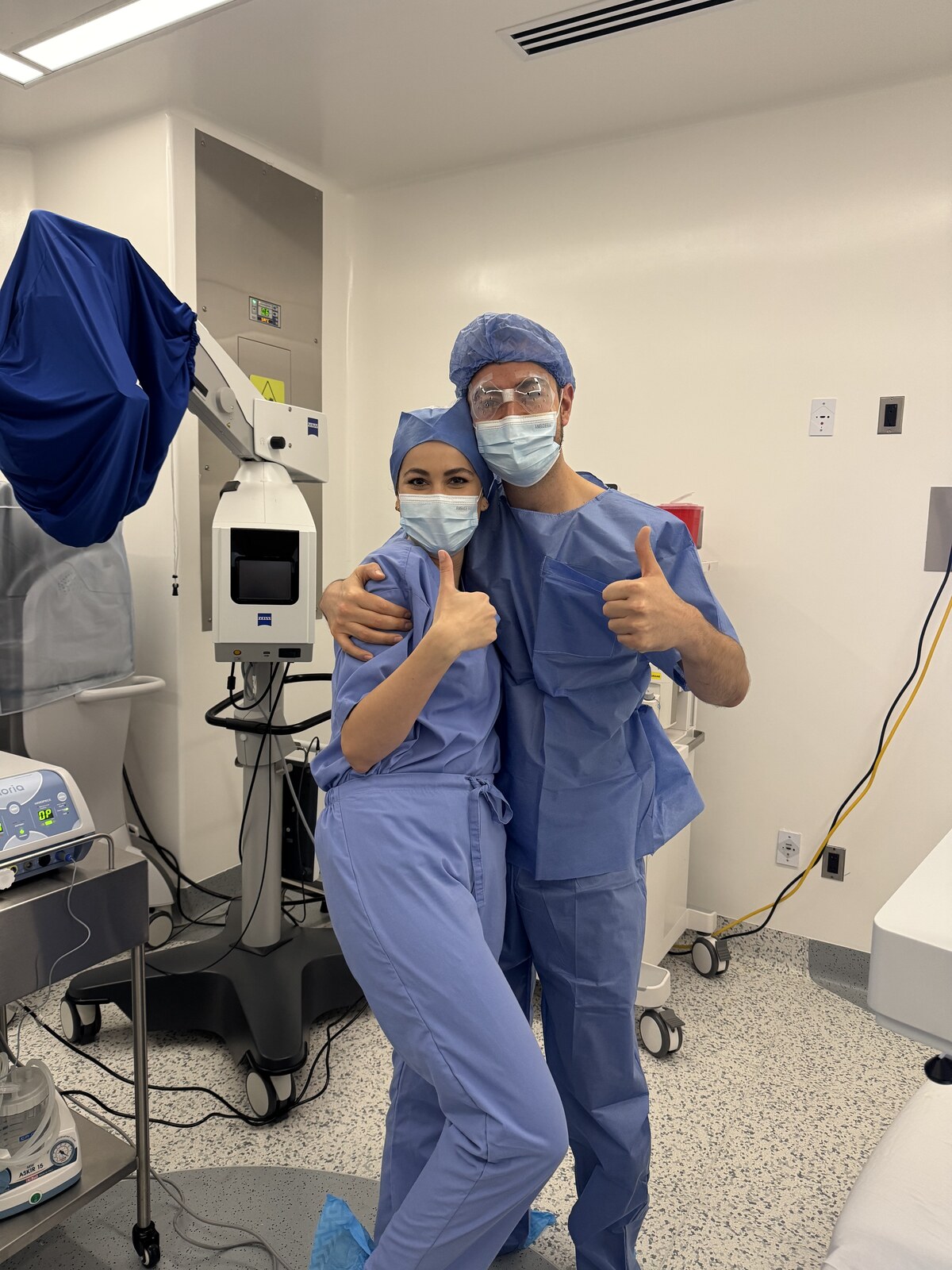
LASIK, SMILE or PRK in Tijuana: which is the best option for you?
We compare the main refractive surgery techniques in Tijuana and how we choose the right one for each patient.
Learn more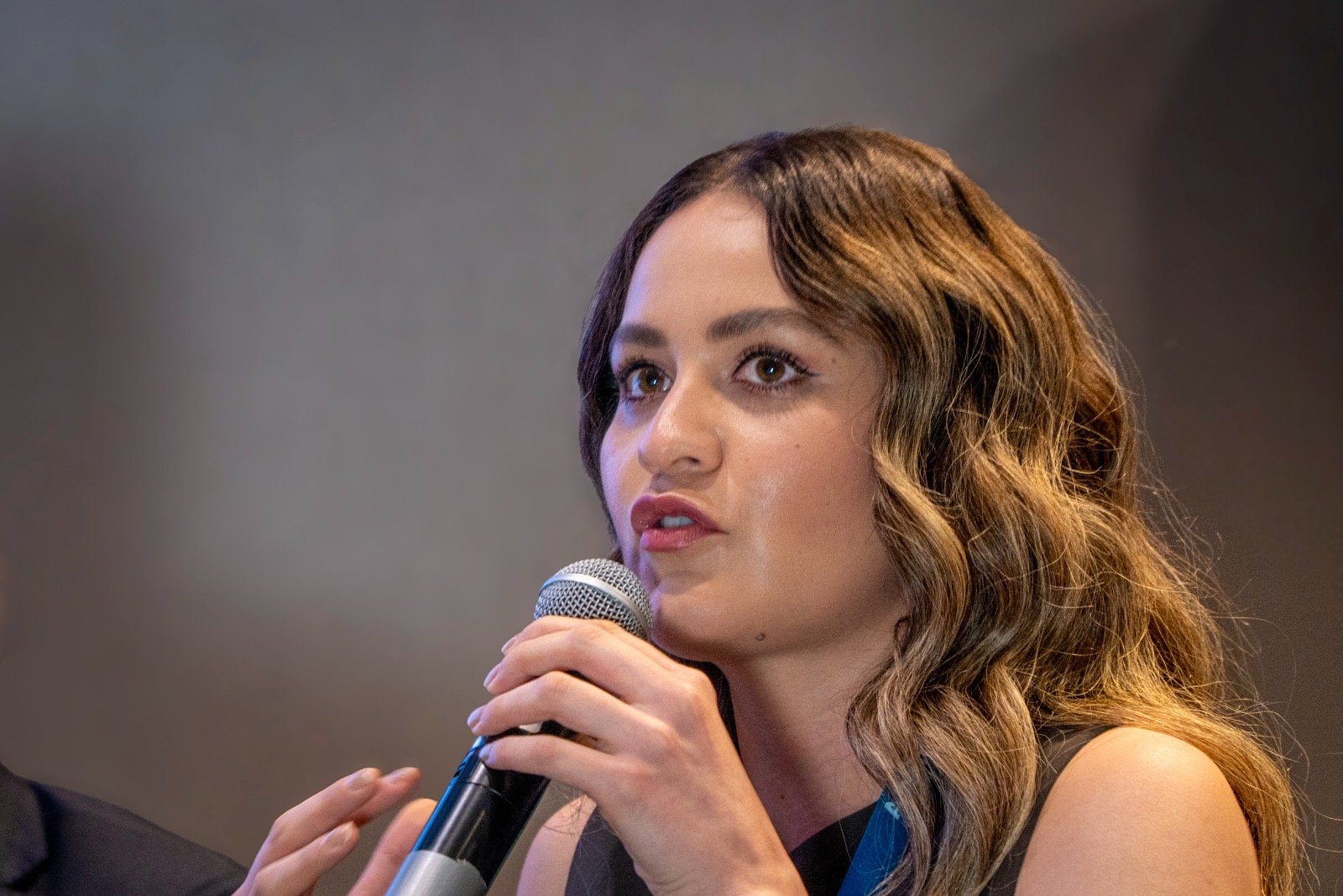
Speaker at the XXXI International Cornea Course and FacoFest 2026
A recap of two busy weeks: speaking at the XXXI International Course of the Mexican Center for Cornea and Refractive Surgery, and at FacoFest 2026, on refractive surgery and visual quality after cataract surgery.
Learn moreWhat our patients say
Other treatments
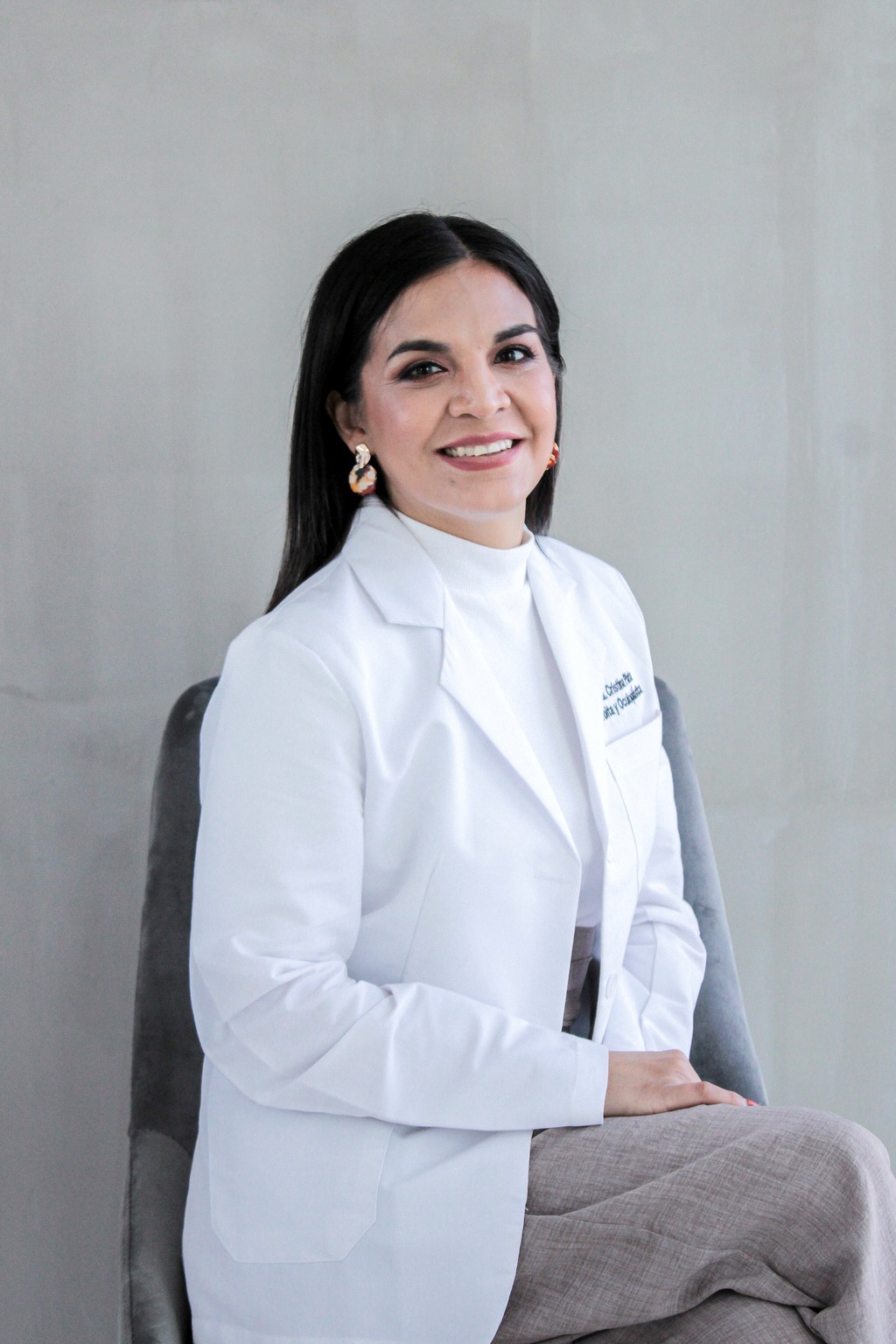
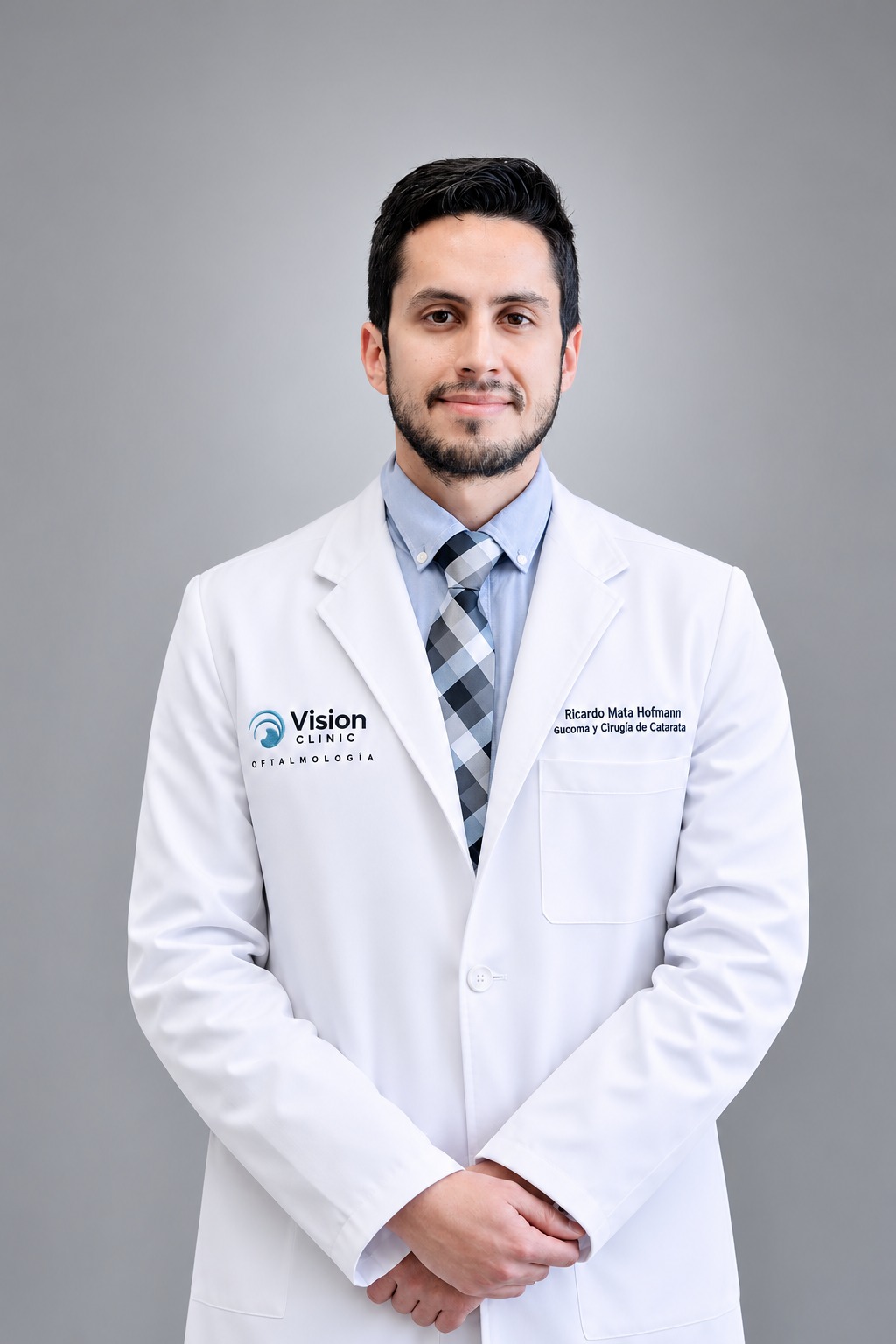
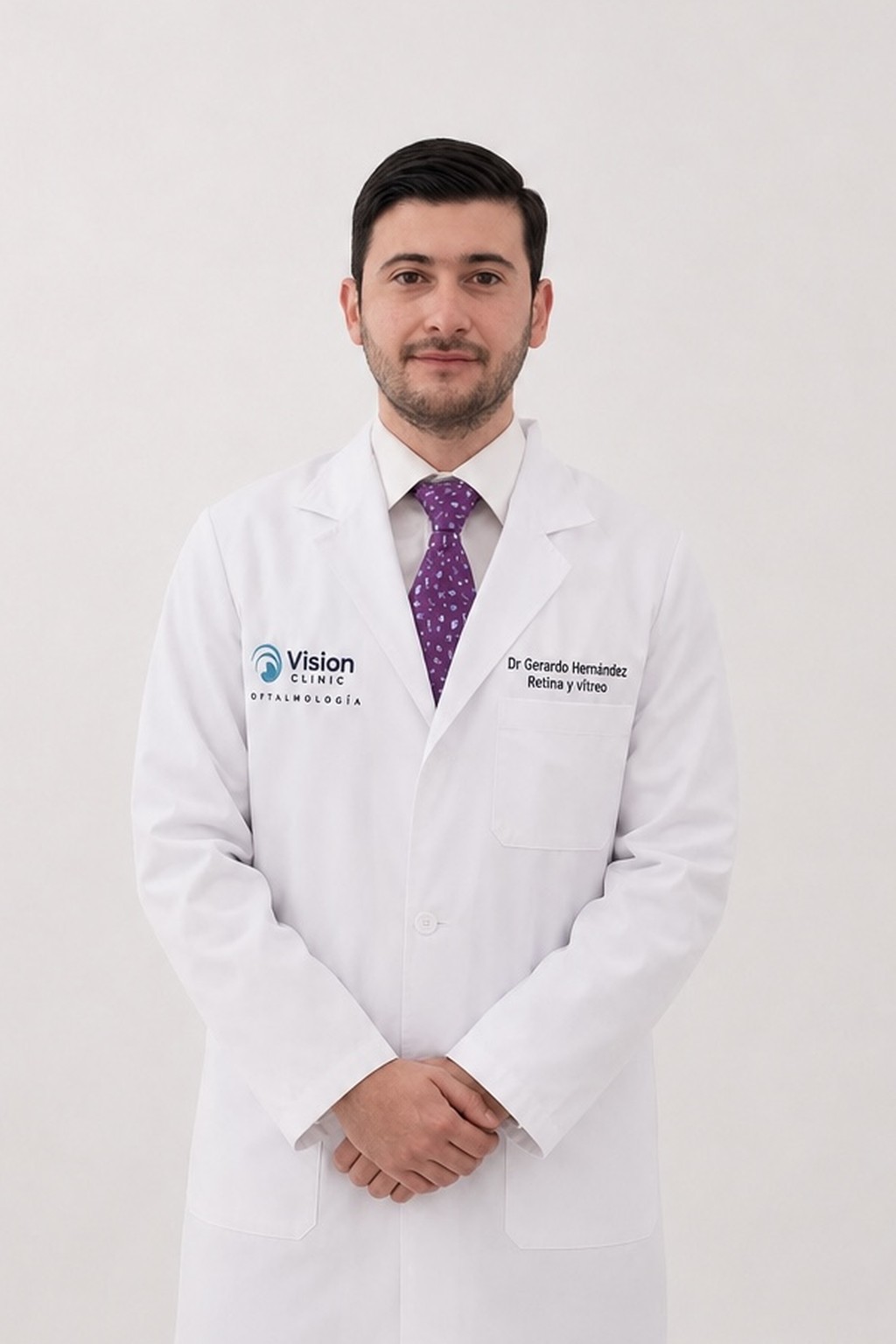
Tijuana's Reference Ophthalmologist Surgeons
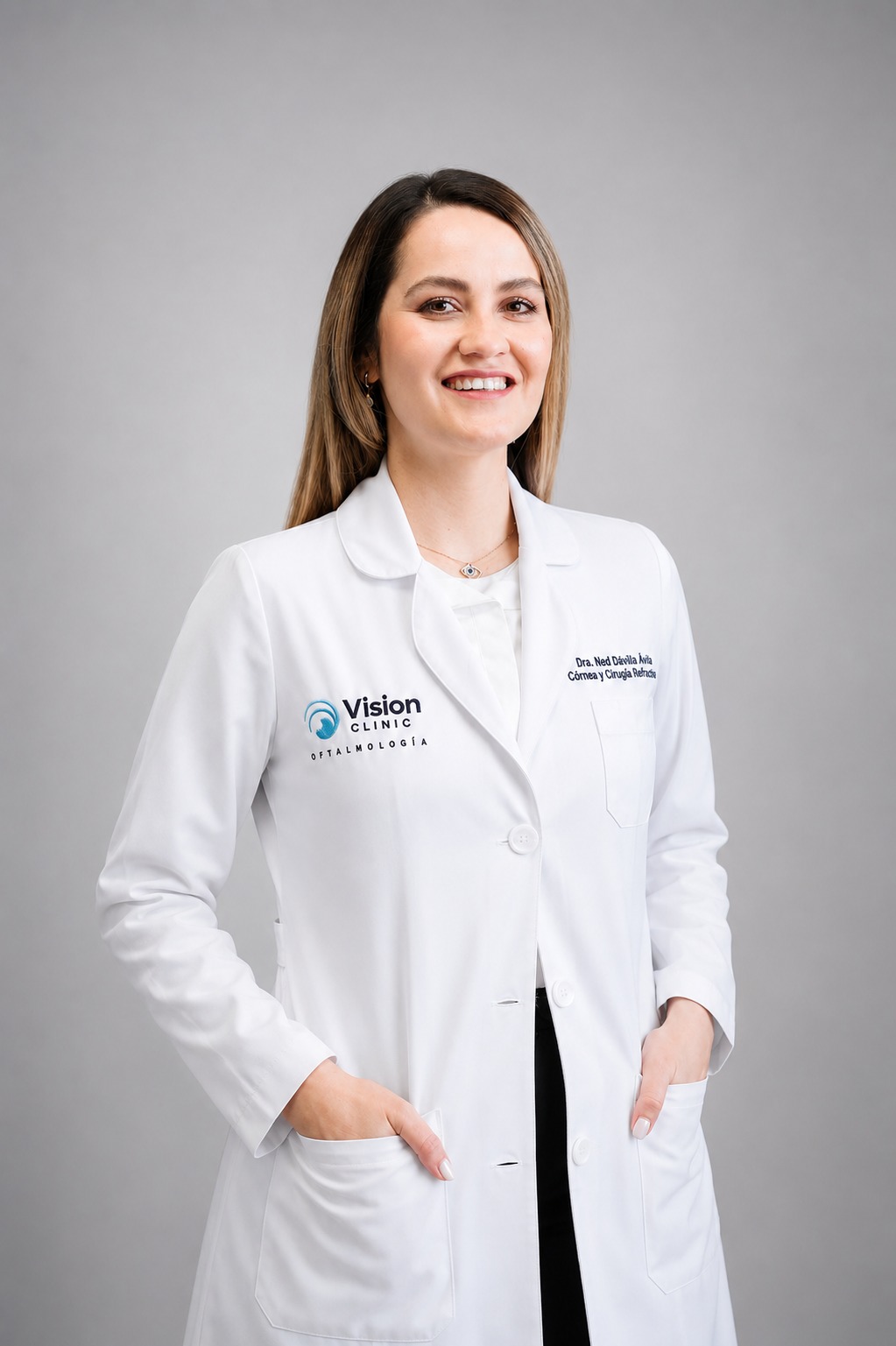
Over 5,000 successful eye surgeries and 15,000 patients treated back our team, certified by the Mexican Board of Ophthalmology and each specialized in a different area of the eye.