Corneal Transplant
Restoration of a damaged or diseased cornea through transplantation.
General description
When the cornea loses its normal transparency or shape due to disease, trauma, or advanced keratoconus, a corneal transplant can restore vision. Techniques today can replace the full cornea or only the affected layers (lamellar transplants), allowing faster, safer recoveries than in years past.
What does the surgery involve?
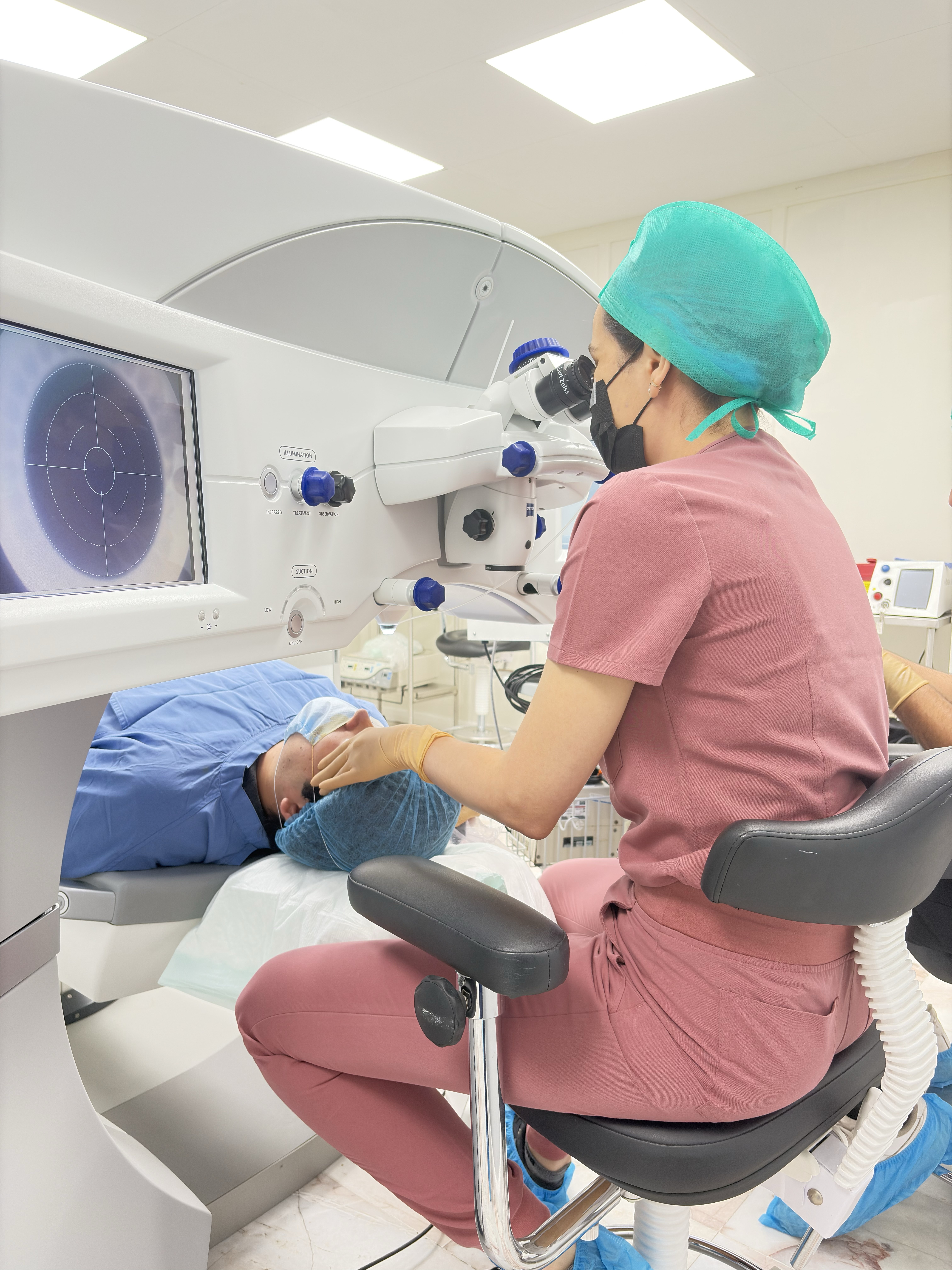
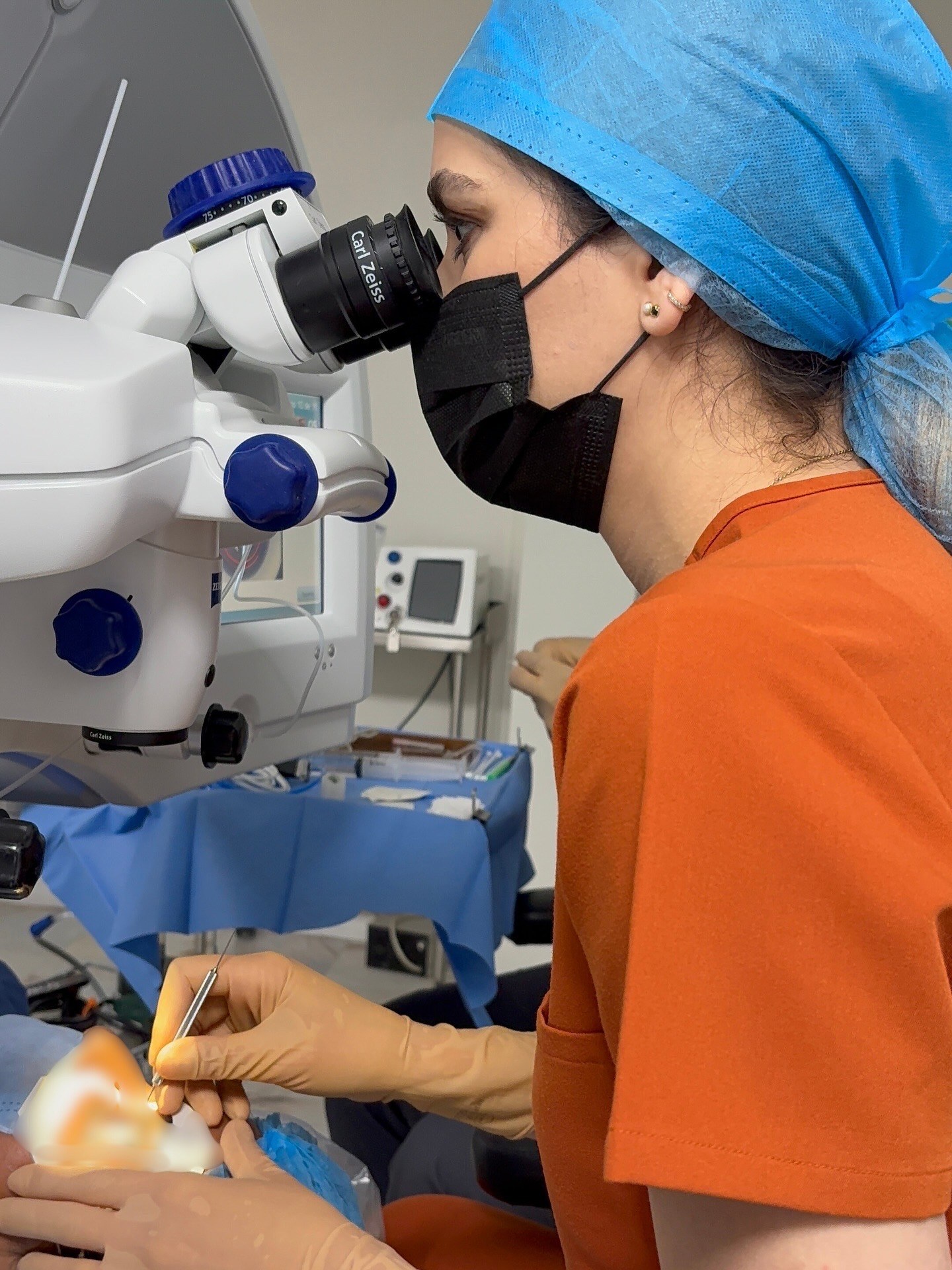
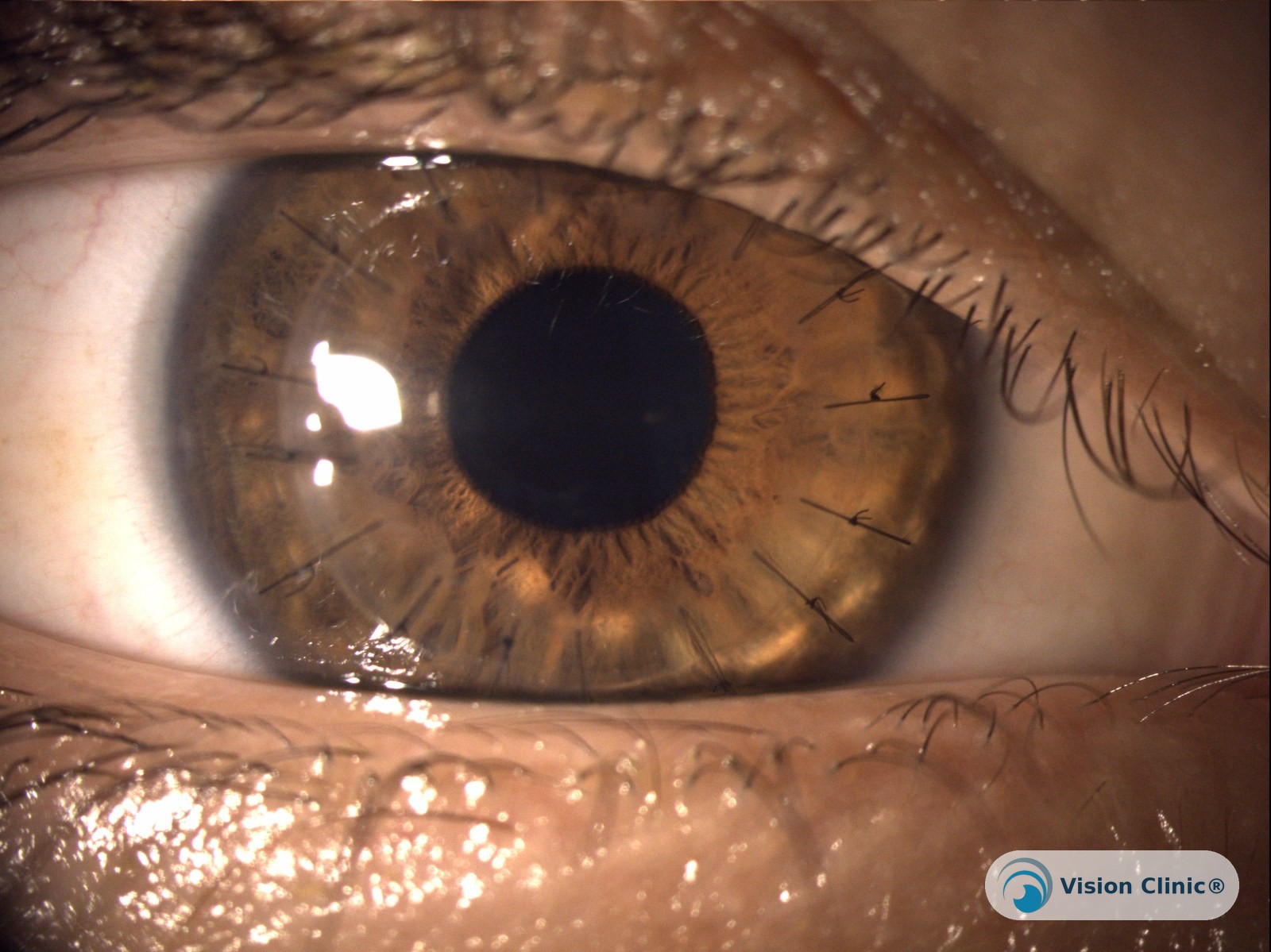
Depending on the case, either the full cornea is replaced (penetrating keratoplasty, or PKP) or only the affected layers through lamellar transplants —DALK for the anterior layers, or DSAEK and DMEK for the posterior layers (endothelium)—, suturing the donor tissue with very fine stitches when needed. Dr. Ned Davila is one of the few surgeons in Tijuana proficient in all four types of corneal transplant (PKP, DALK, DSAEK, and DMEK), which means the most precise, least invasive technique can always be chosen for each patient. The surgery is performed under general anesthesia, generally outpatient or with a very short hospital stay.
Post-surgical care
Recovery is longer than with other eye surgeries: antibiotic and anti-inflammatory drops (sometimes for several months) are prescribed to support healing and prevent tissue rejection, along with frequent lubricant and eye protection, especially while sleeping. We include, at no cost, the post-surgical kit with your starter treatment drops.
Post-surgical follow-up
Close follow-up is essential to catch any sign of rejection early, which is why it is always carried out by the same surgeon who performed your transplant. We include one month of follow-up consultations at no cost, with more frequent check-ins during the first few weeks.
Real results
Real Vision Clinic® patient photos. Results may vary from patient to patient.
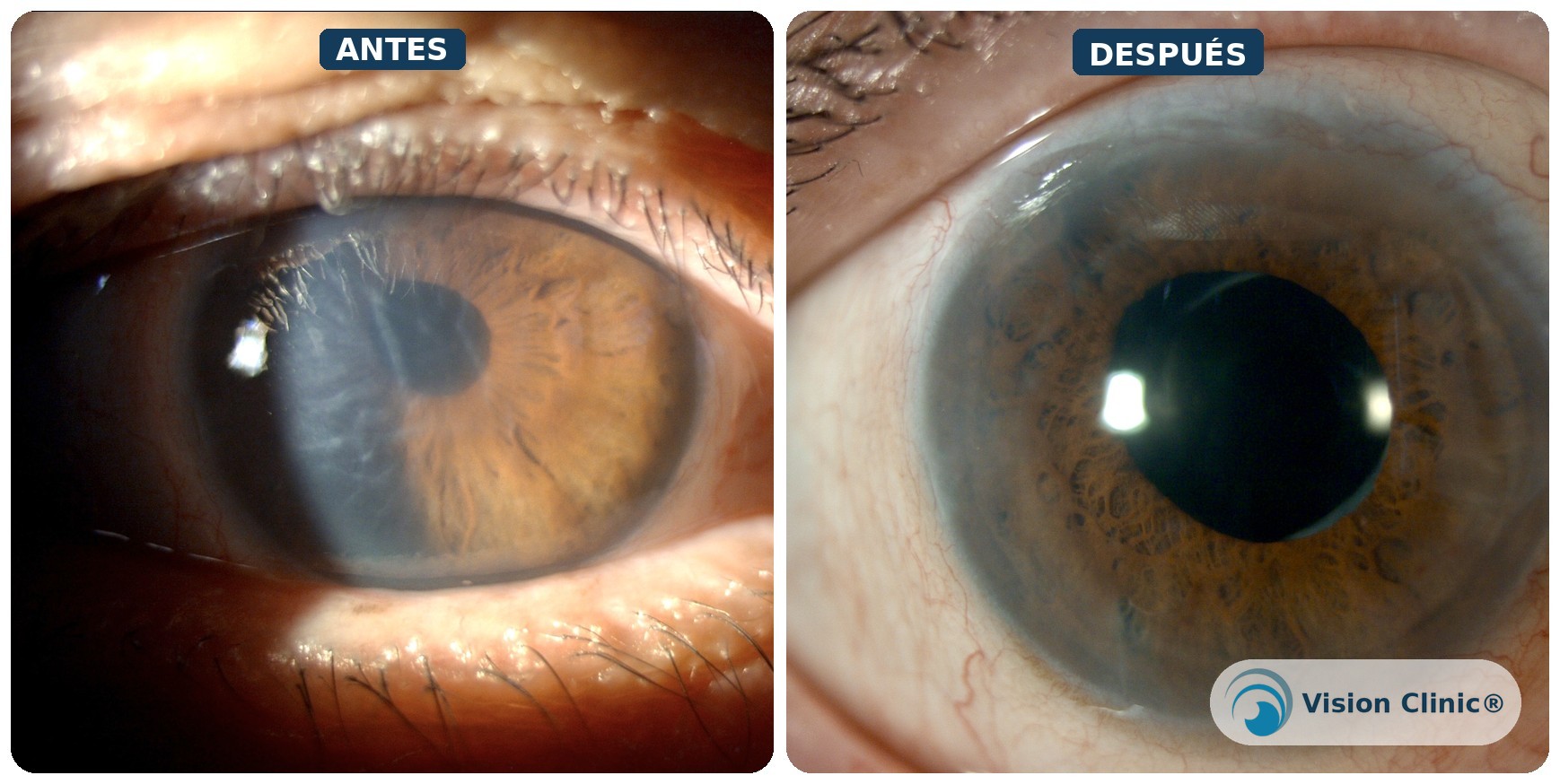
Before and after: patient treated by Dr. Ned Dávila with a posterior lamellar transplant (DSAEK) for corneal decompensation following cataract surgery.
Other treatments
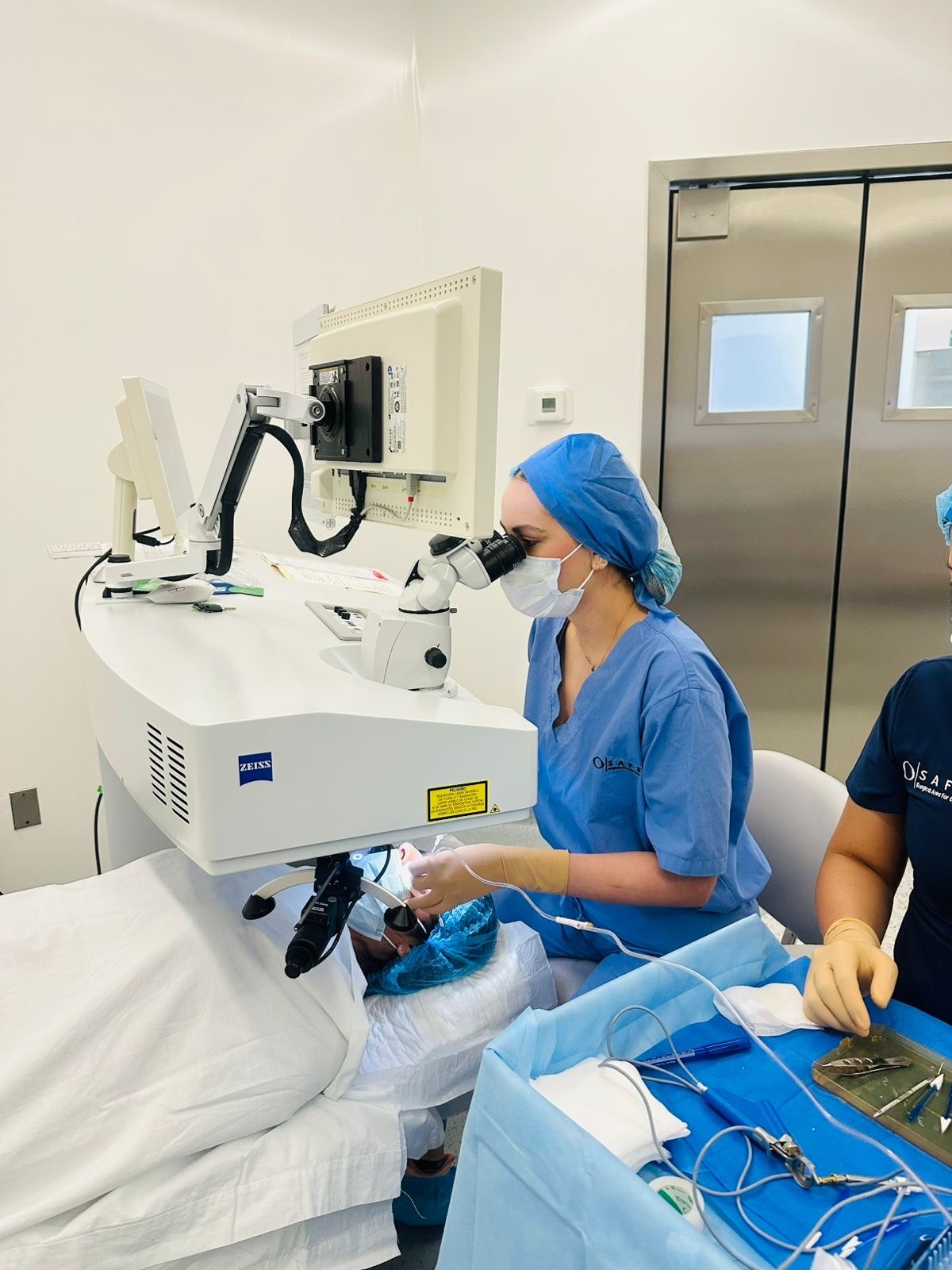
LASIK
Laser refractive surgery to correct nearsightedness, farsightedness and astigmatism.
Learn more