
Cataract Surgery in Tijuana
Replacement of the clouded natural lens with an advanced intraocular lens.
What sets us apart: At Vision Clinic, your cataract surgery is performed by Dr. Ned Davila or Dr. Ricardo Mata, both graduates of Hospital APEC (Asociación Para Evitar la Ceguera en México) —one of the highest-volume cataract surgery centers in Latin America, where they built the surgical experience they bring to every case. The same surgical specialist who diagnoses you and calculates your lens —using our own in-house technology— is the one who performs your surgery and follows up on your recovery.
General description
Cataract is the gradual clouding of the eye's natural lens, a leading cause of age-related vision loss. Modern cataract surgery —using phacoemulsification with precision biometry— removes the clouded lens and replaces it with an intraocular lens calculated specifically for each eye, including options to correct astigmatism or reduce dependence on glasses.
Want to learn more about cataracts in general? See the types of cataract.
Here's the process at Vision Clinic
Monofocal
A single focal point, usually set for distance vision. Glasses are used for near activities.
Monofocal Plus
Distance vision with a slightly extended range toward intermediate distance.
Extended Depth of Focus (EDOF)
Extends focus from distance to intermediate range, reducing the need for glasses in more activities.
Multifocal
Multiple focal points —distance, intermediate and near— to minimize dependence on glasses.
- The monofocal lens starts at $2,270 USD per eye.
- Premium lenses (multifocal, toric multifocal or EDOF) range from $3,500 to $3,800 USD per eye — see the full breakdown on our pricing page.
- General lab work (not included in your quote). We accept results from any lab.
- Internal medicine clearance and an EKG (not included in your quote). If it's easier for you, our surgery coordinator will arrange and schedule that appointment for you.
- Your lens calculation is done right in our office, with state-of-the-art technology. This study, valued at $2,000 pesos, is included in your quote.
- It's outpatient: you're discharged the same day and go home.
- Surgery is done with sedation anesthesia — an anesthesiologist is always with you, monitoring your vital signs so you feel no pain during the procedure.
- The phacoemulsification procedure takes between 25 and 30 minutes.
- It's performed in our ophthalmology-exclusive operating room, equipped with a state-of-the-art ZEISS® surgical microscope.
- Discharge to go home the same day.
Testimonials from our surgery patients
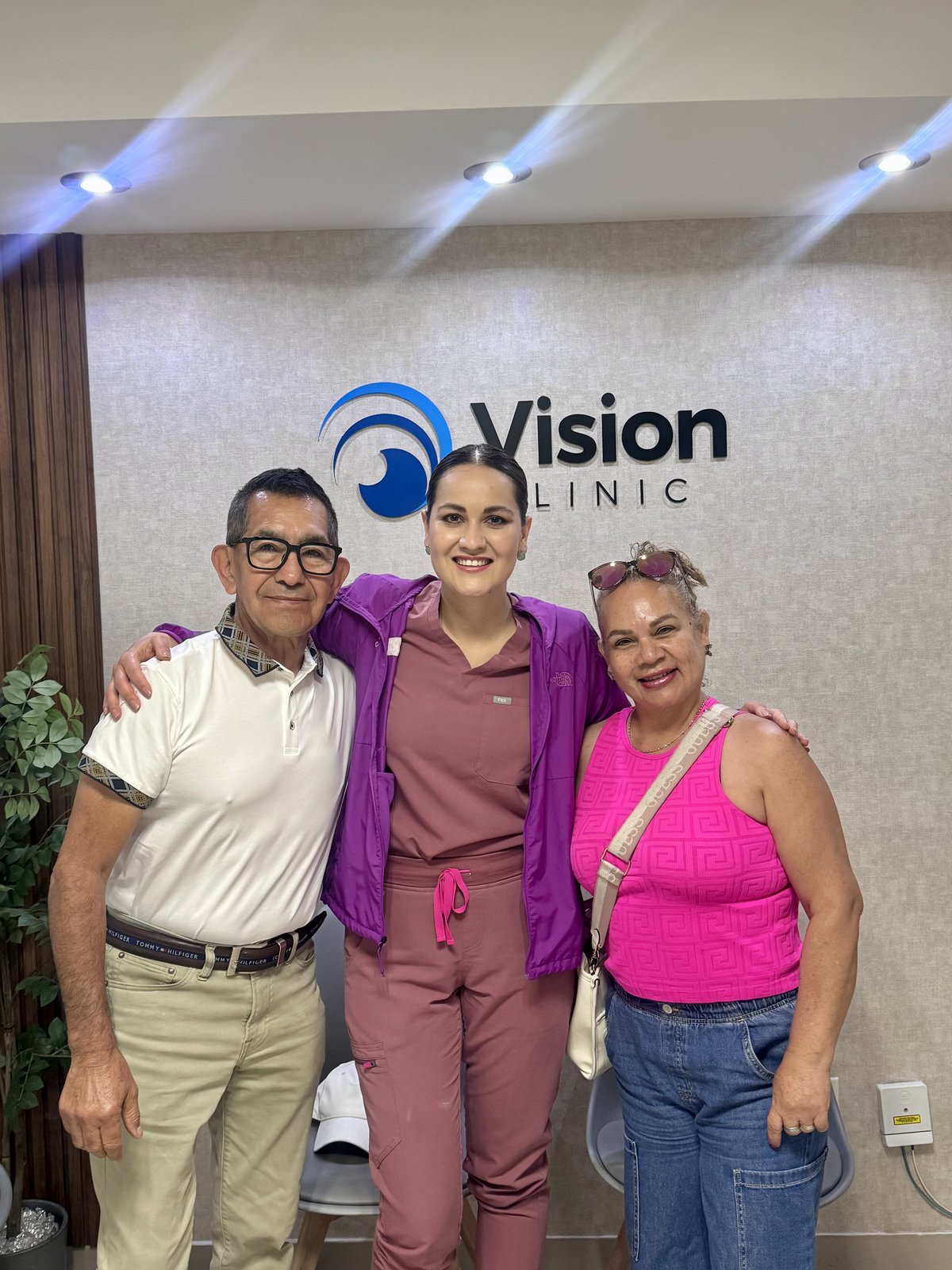
“Excellent service and facilities. Very clear, timely information. They give you confidence at every step — 20/20 results after 22 years of wearing glasses... 100% recommended.”
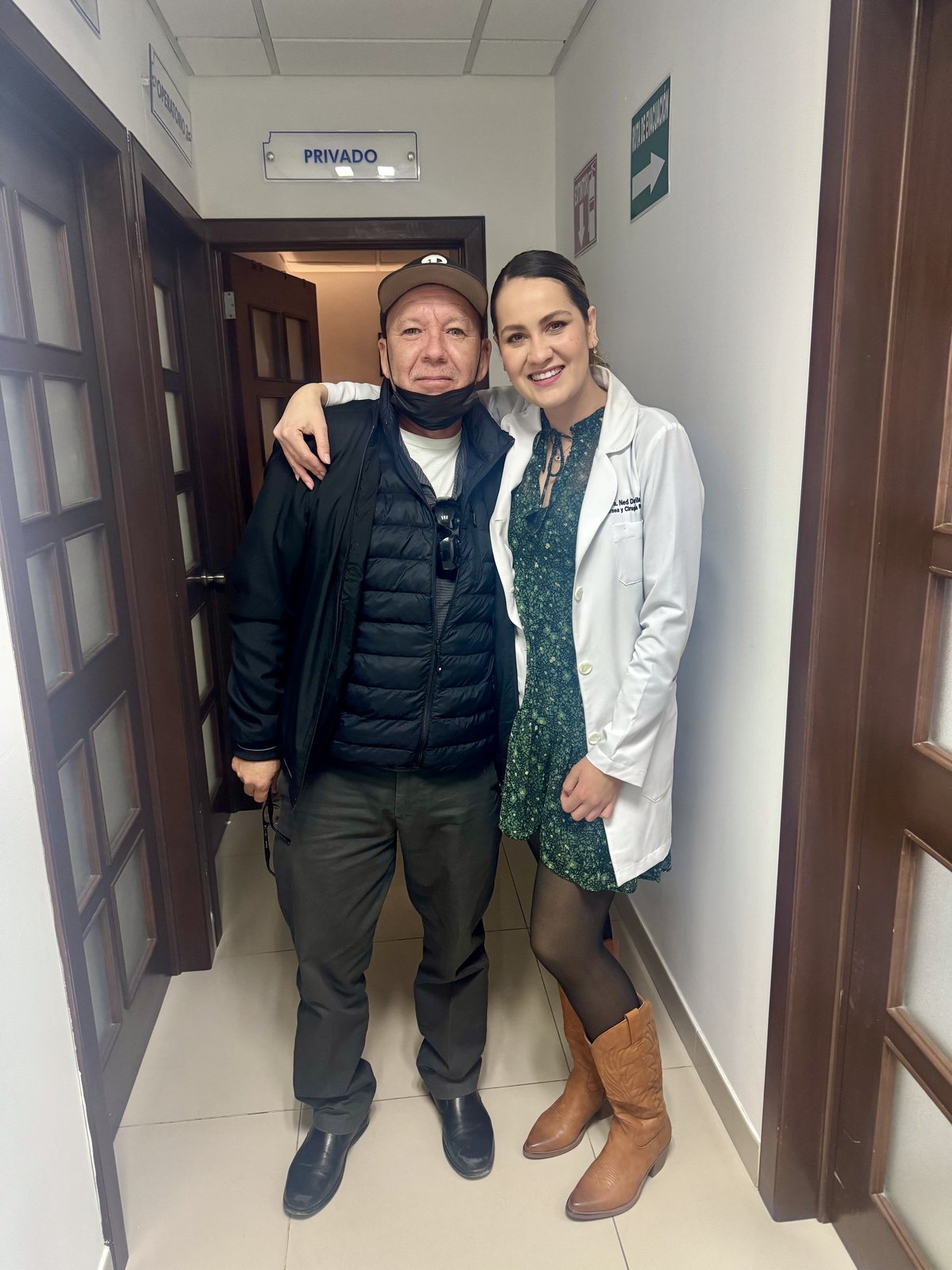
“A very rewarding experience, great treatment and excellent results. I traveled from Santa Rosalía, BCS to have my cataract surgery with Dr. Mata — I booked a month in advance, the first day was the exam and diagnosis, the second day the pre-surgical tests, and the third day the surgery itself. I noticed the change right away, and it keeps improving. Very grateful.”
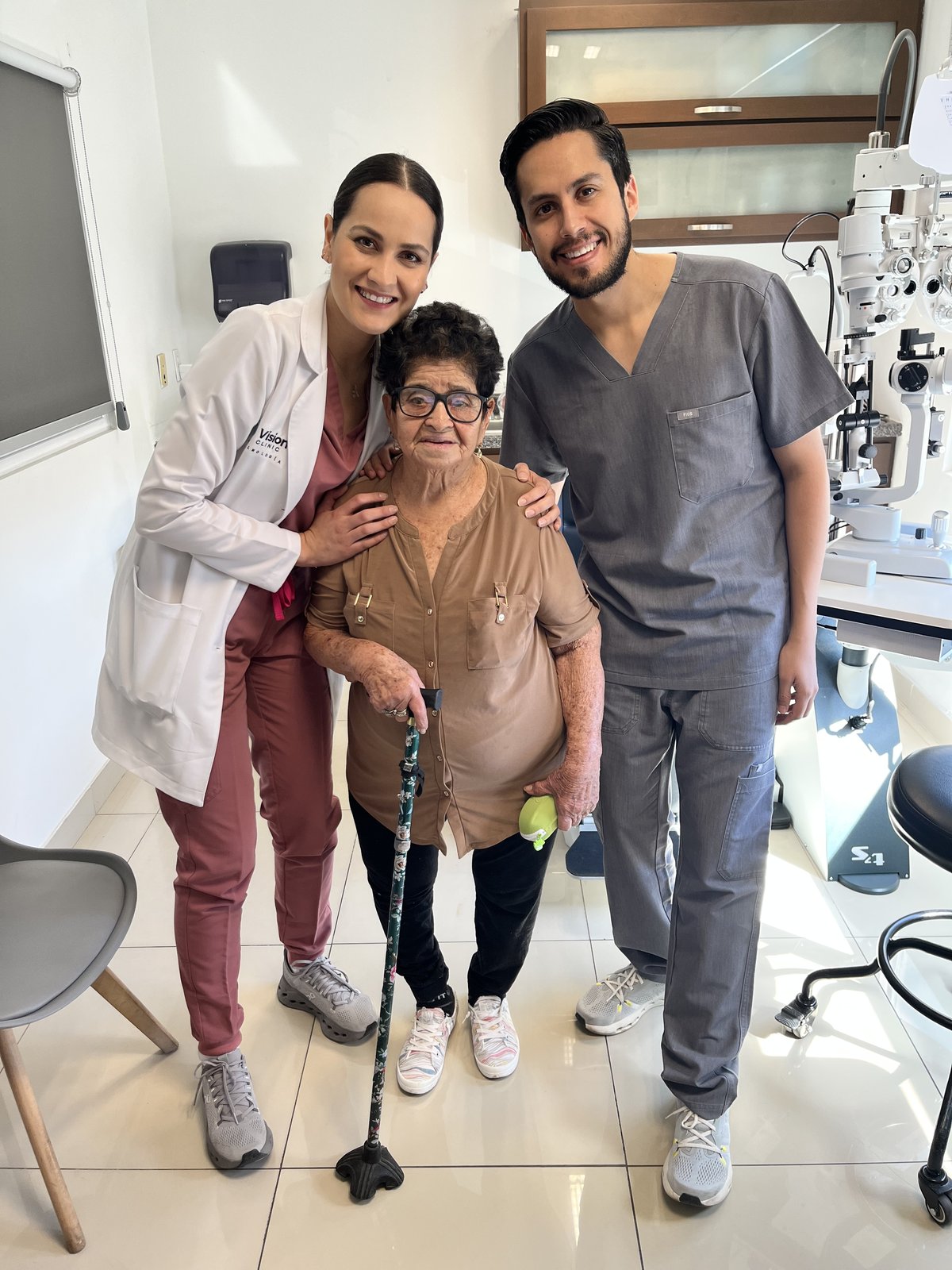
“I had cataract surgery on both eyes with Dr. Mata, with very good results and new vision. Great care, very kind, and a very clear explanation before and after the procedure. I highly recommend it.”
Real patient testimonial: cataract surgery
Real patient testimonial: cataract surgery
Real patient testimonial: cataract surgery
Cataract surgery explained by our experts
Cataract surgery, step by step
How to know if you have a cataract
Frequently Asked Questions
What is a cataract and how is it treated?
Cataract is the gradual clouding of the eye's natural lens, a common cause of age-related vision loss. It's treated with phacoemulsification using precision biometry, removing the clouded lens and replacing it with an intraocular lens calculated specifically for each eye.
What does cataract surgery involve?
Phacoemulsification breaks up the clouded lens with ultrasound and removes it through a micro-incision, after which the intraocular lens calculated for the patient's eye is implanted. It's an outpatient surgery of 25 to 30 minutes per eye, done under topical anesthesia.
What types of intraocular lenses are available for cataract surgery?
Options include astigmatism correction or reduced dependence on glasses, depending on each patient's visual needs, which are defined during the prior consultation.
How long is recovery after cataract surgery?
Relative rest is recommended, along with avoiding heavy lifting, rubbing the eye, or getting water or soap directly in it during the first week, with antibiotic and anti-inflammatory drops for 2 to 4 weeks.
Who provides follow-up after cataract surgery?
Always the same surgeon who performed the surgery, who knows the precise details of the implanted lens and the eye's progress. Vision Clinic includes one month of follow-up consultations at no cost.
Related articles
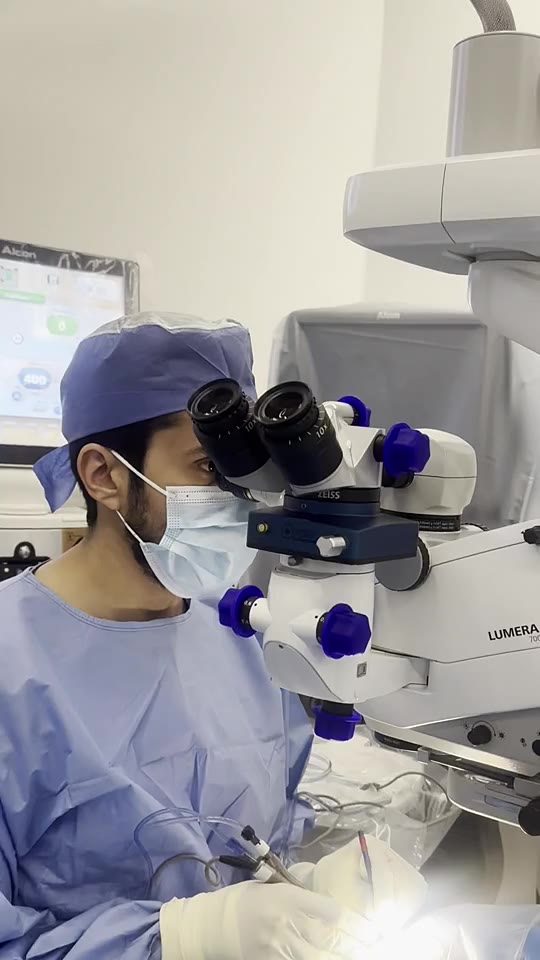
Cataract surgery in Tijuana: when to operate and what to expect
Warning signs, the surgical process, and today's intraocular lens options.
Learn more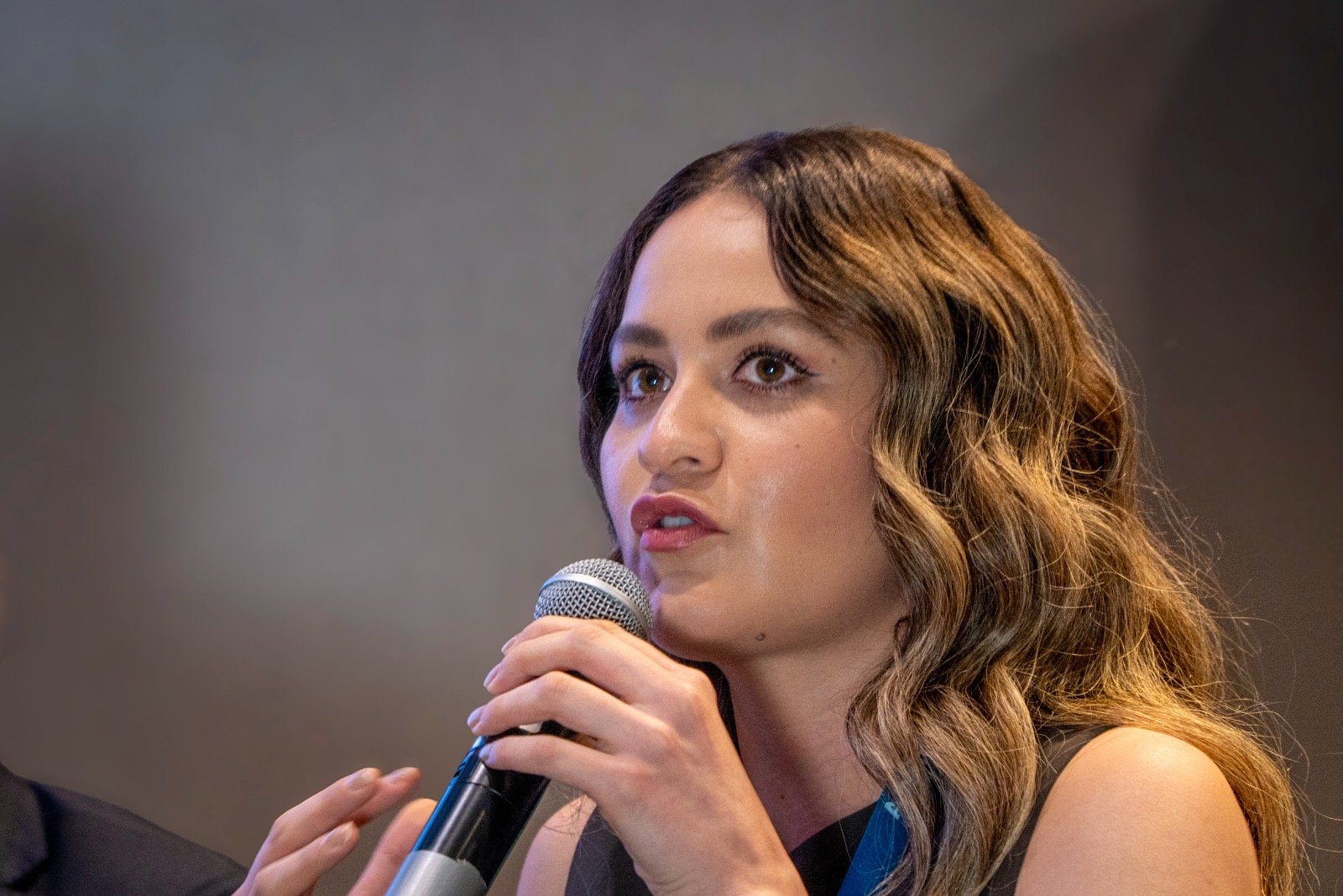
Speaker at the XXXI International Cornea Course and FacoFest 2026
A recap of two busy weeks: speaking at the XXXI International Course of the Mexican Center for Cornea and Refractive Surgery, and at FacoFest 2026, on refractive surgery and visual quality after cataract surgery.
Learn moreWhat our patients say
Other treatments
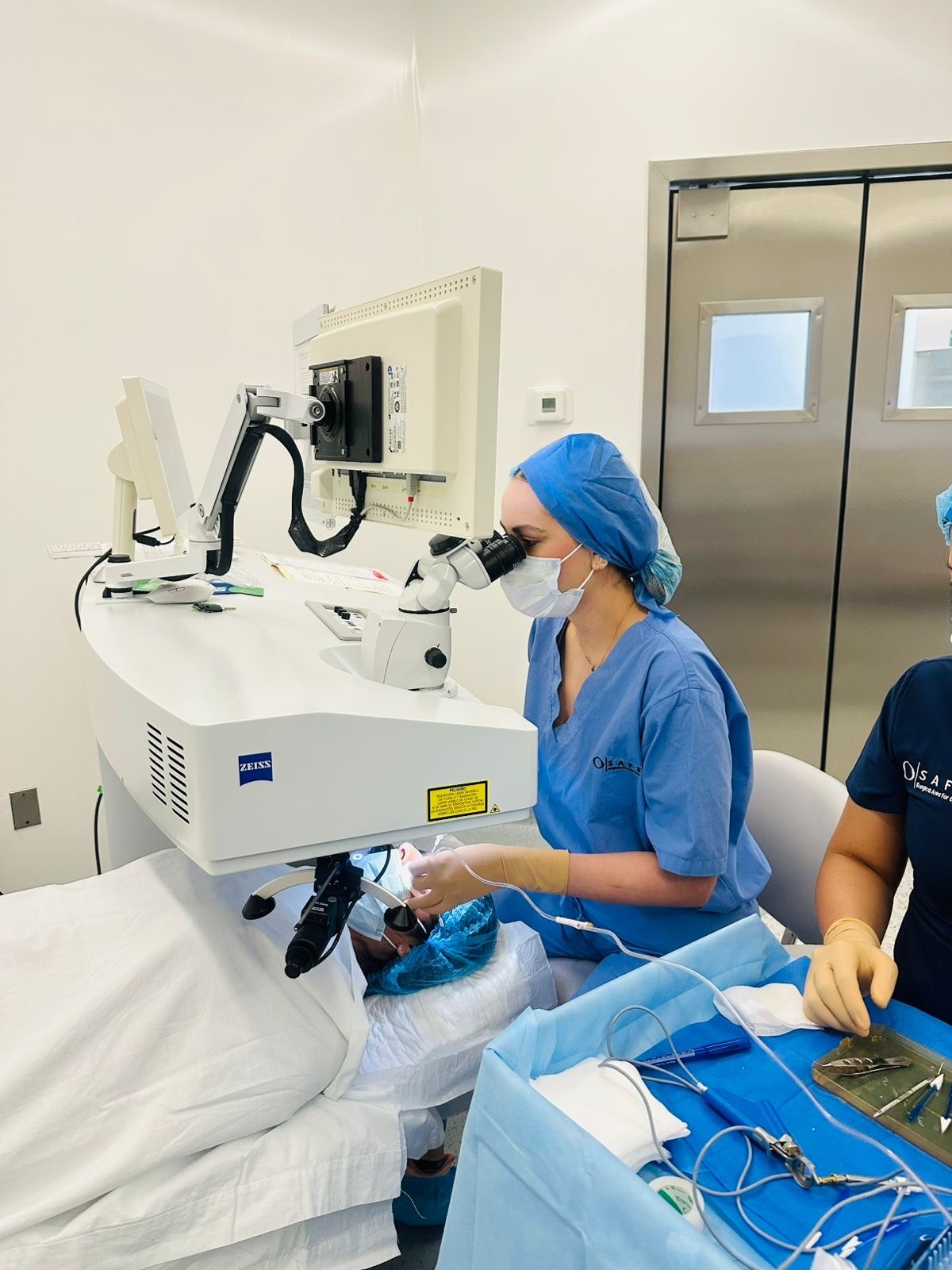
LASIK in Tijuana
Laser refractive surgery to correct nearsightedness, farsightedness and astigmatism.
Learn more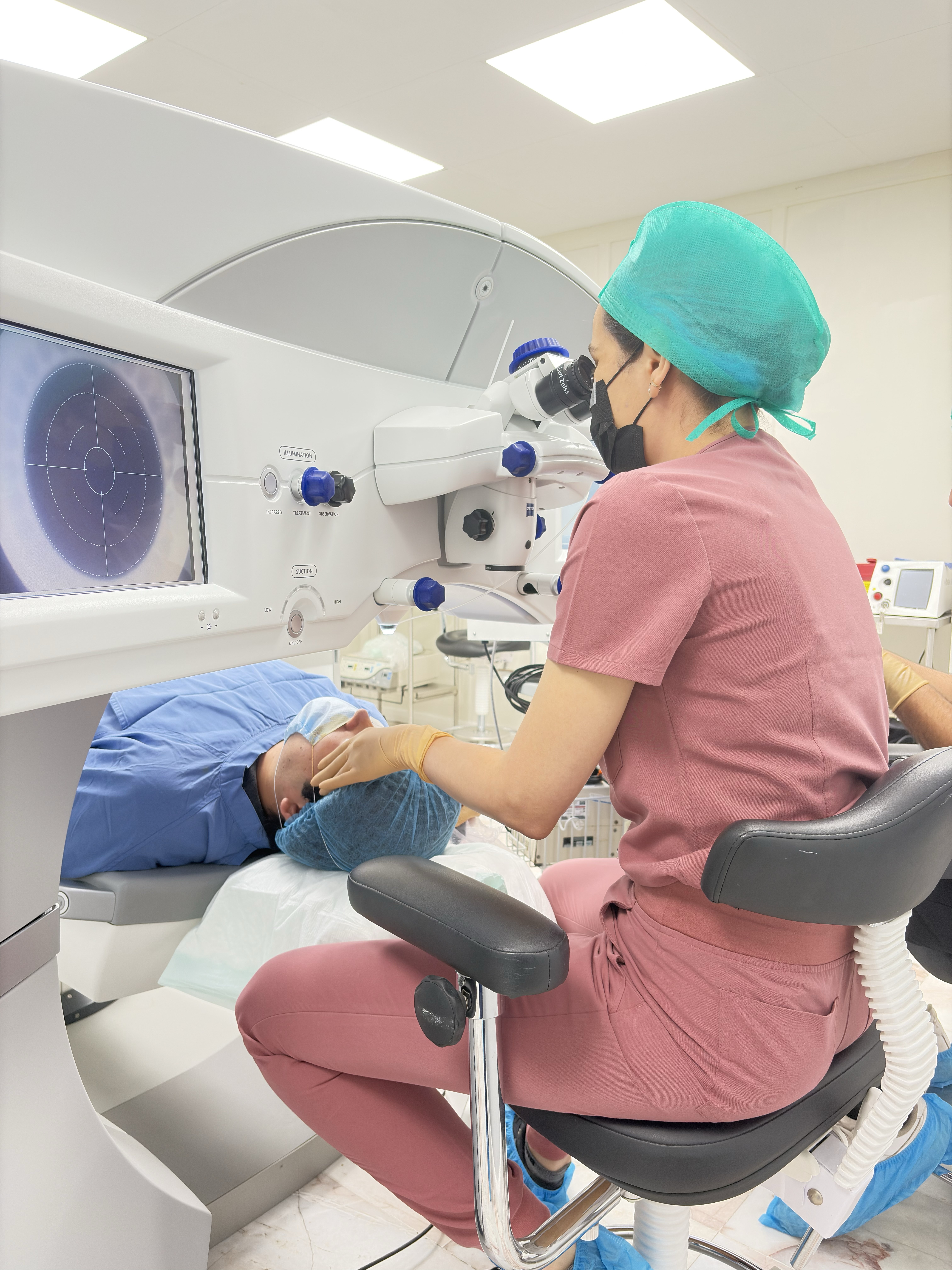
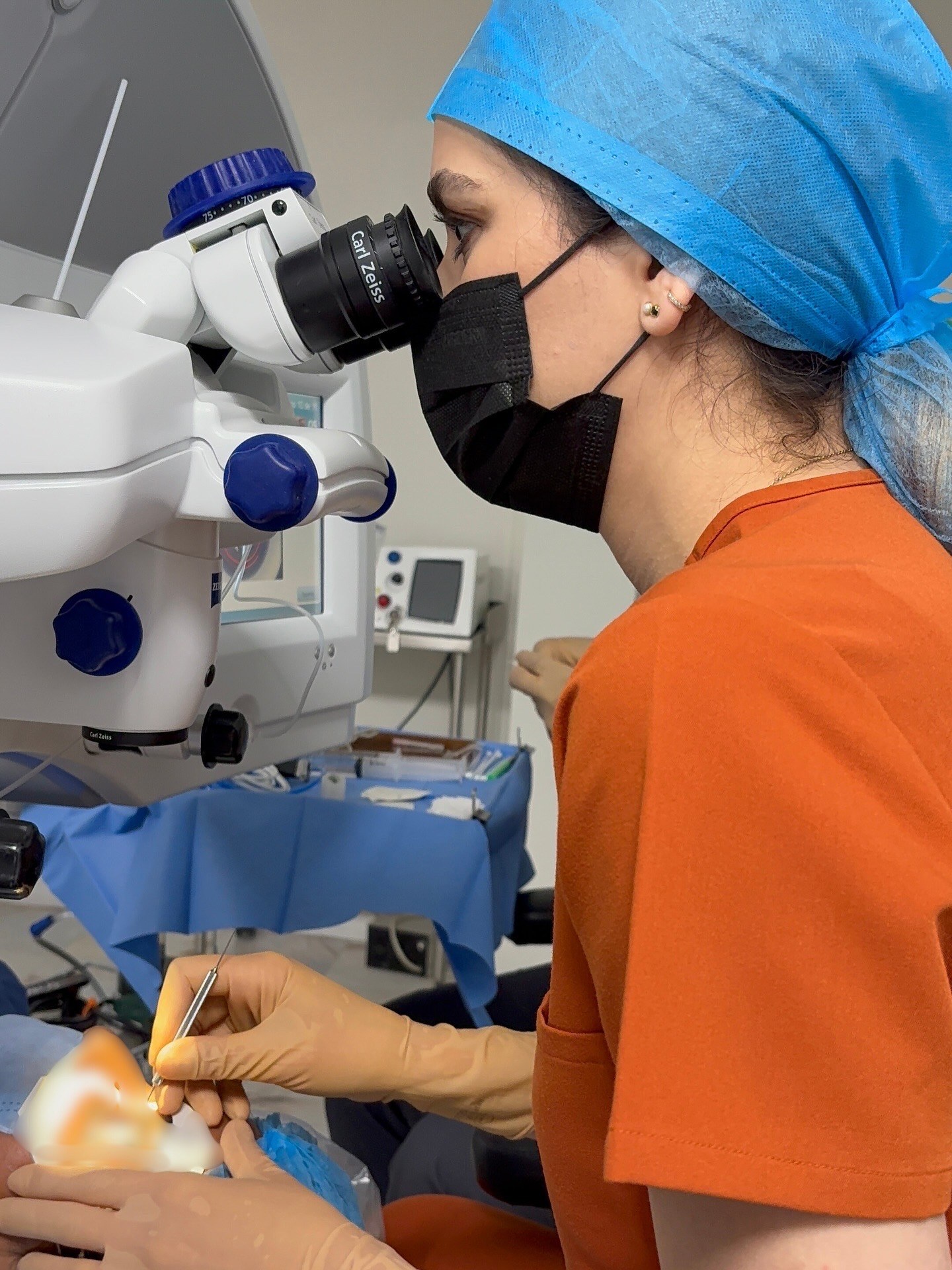
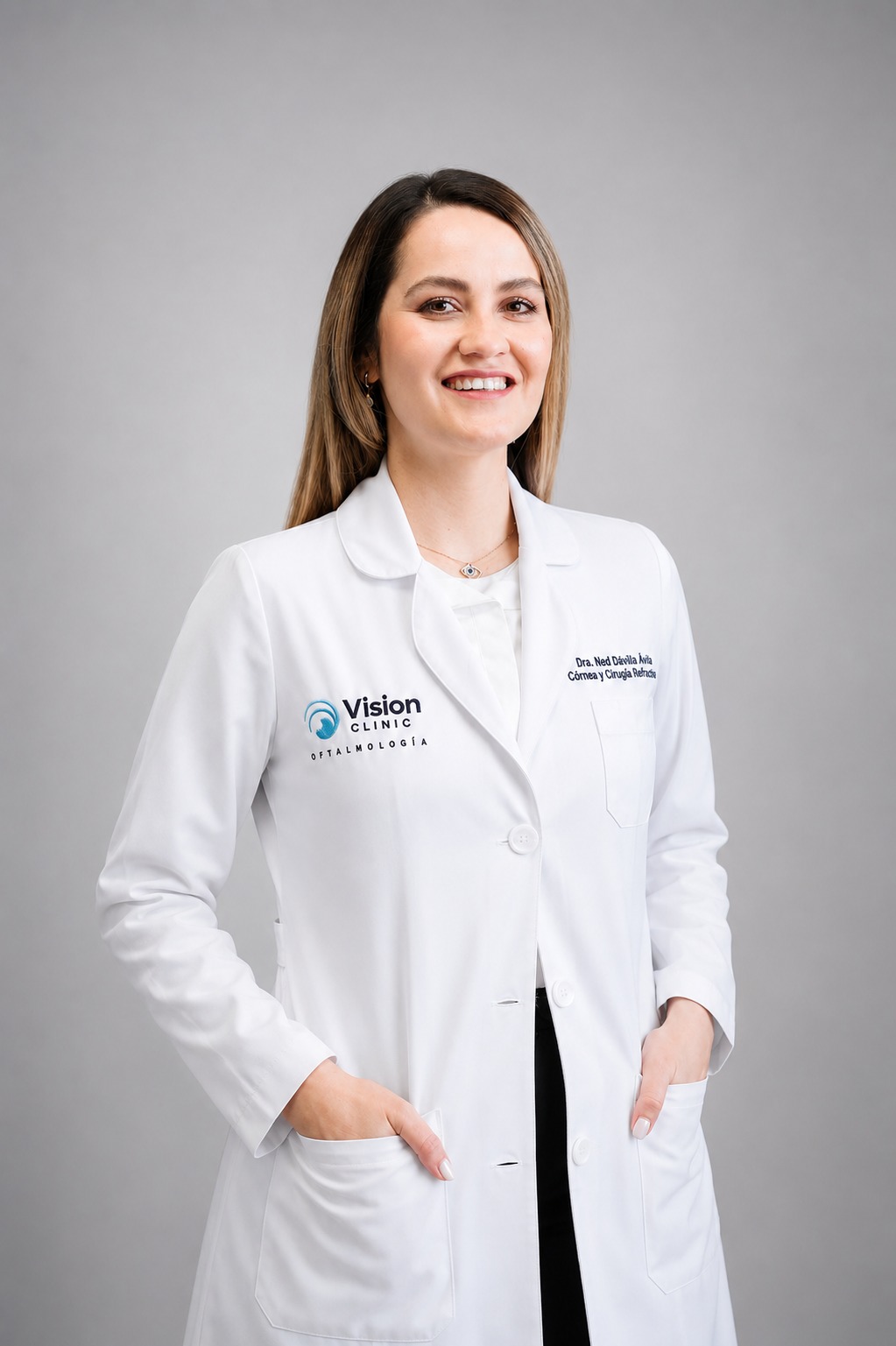

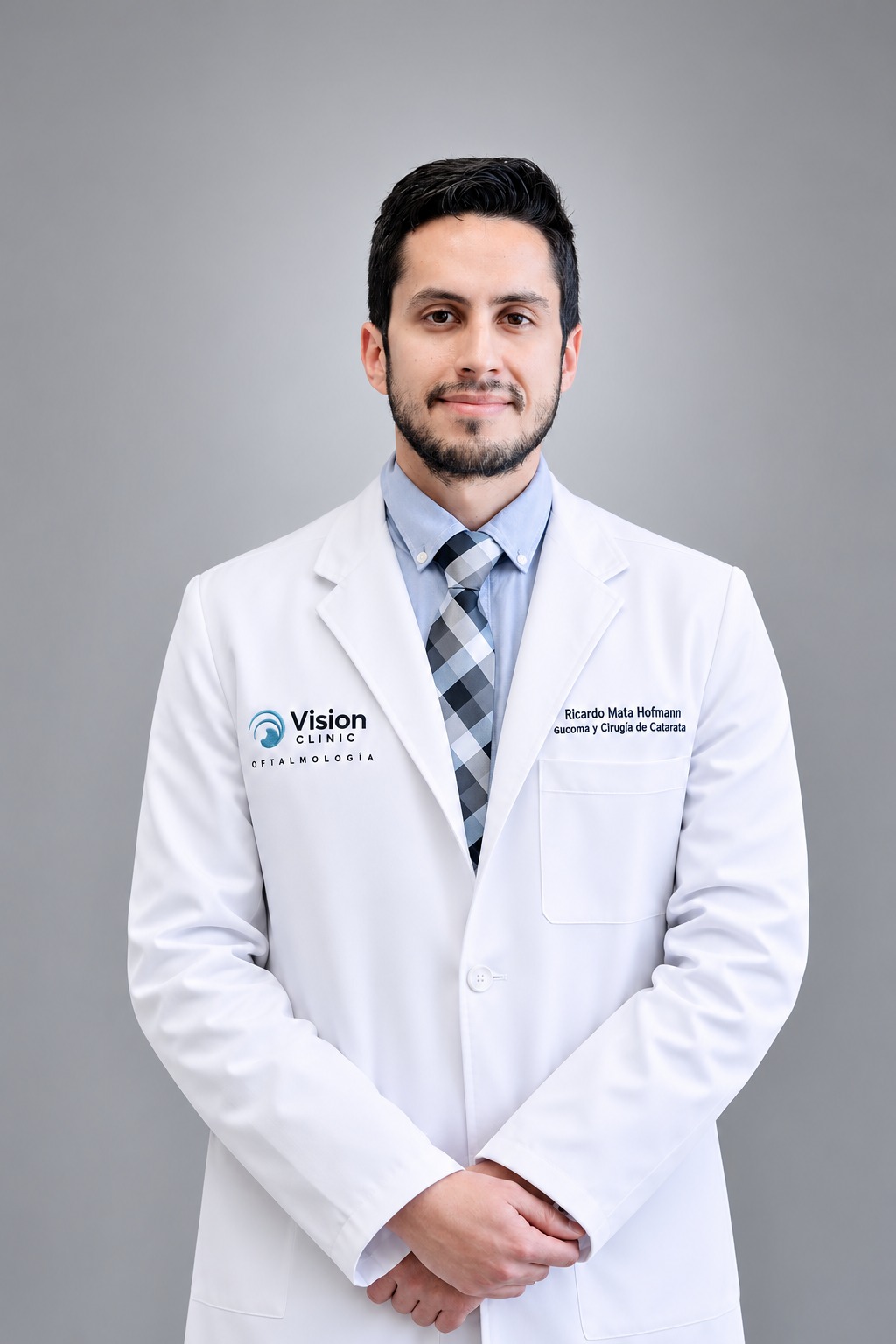
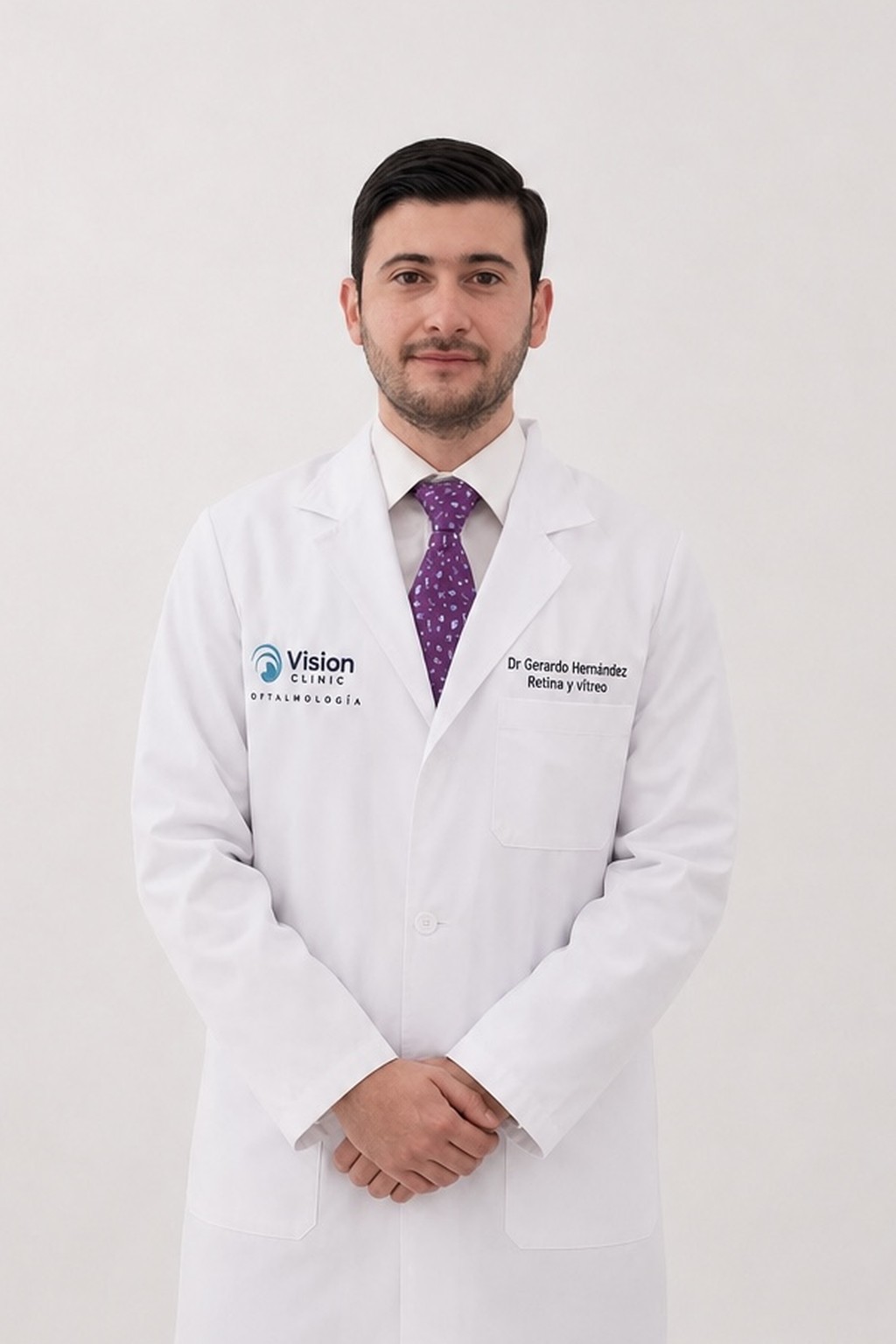
Tijuana's Reference Ophthalmologist Surgeons
Over 5,000 successful eye surgeries and 15,000 patients treated back our team, certified by the Mexican Board of Ophthalmology and each specialized in a different area of the eye.